Sado, a tea ceremony with a philosophy of life

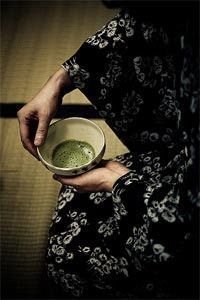
The Japanese tea ceremony is another unique Japanese way of spending time aesthetically. Sado, with its formality, developed under the influence of Zen Buddhism. The purpose of this ceremony is to purify the soul by becoming one with nature. It uses the concept of beauty in simplicity and tranquility. For example, tea utensils such as kettles and teacups are simple. Furthermore, in order to find beauty in the imperfections of rough bowls, Japanese tea ceremony is a unique ritual with deep-rooted values.
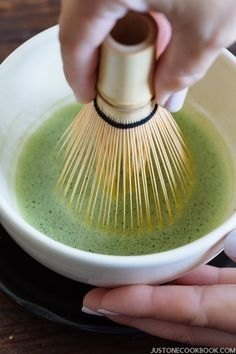
Matcha

Sado also plays an important role in the Japanese arts, involving the appreciation of the ceremonial room, its interior, tea utensils, ceremonial decorations such as hanging pictures or flower arrangements, Japanese architecture, gardening, and ceramics. These are influenced by the tea ceremony, and the formality observed in the tea ceremony has influenced the development of Japanese etiquette in a fundamental way.

Rikyu, a master of the tea ceremony, surprised those around him by proposing a new idea about the use of tea bowls called “koma,” or darkness. He used black tea bowls, handmade by Japanese artisans, instead of imported Chinese vessels, to convey the simplicity at the heart of “wabi-cha,” the peaceful and simple way of tea.
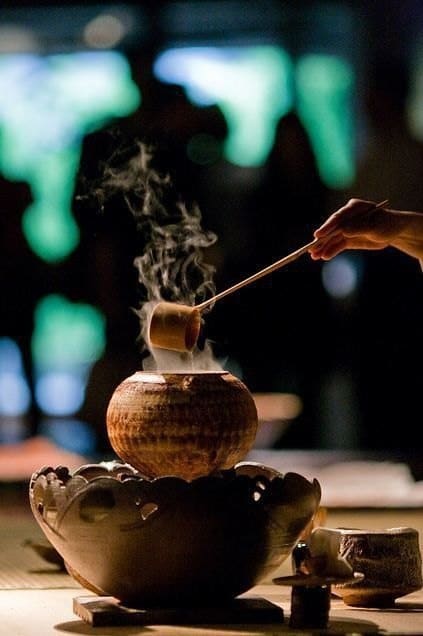
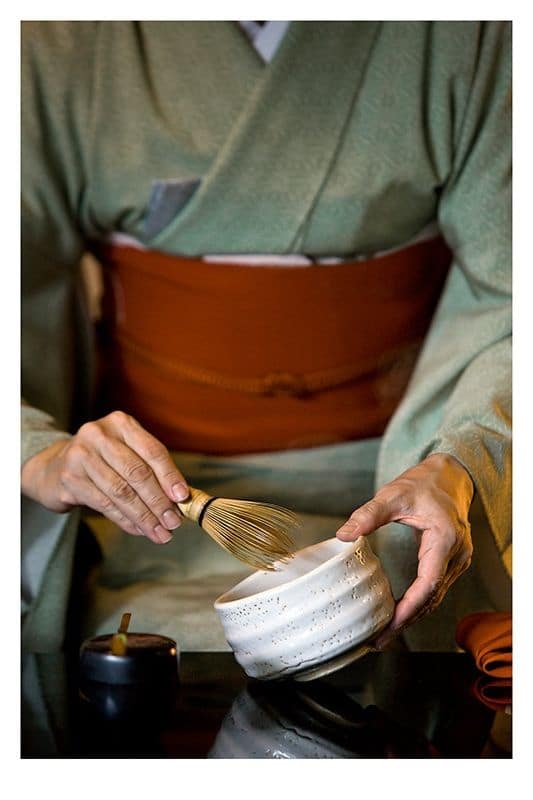
chado matcha chado matcha chado matcha

Many people may already know the steps of the Japanese tea ceremony. They may feel that it is a complicated ceremony with many steps, such as spinning the bowl and bowing. But if anyone has the opportunity to watch the Japanese movie at the end of last year , Every Day a Good Day, Heart, Tea Leaves, Love, they will absorb the charm of the art of tea making and understand thoroughly that making tea is not something that is rushed and requires time to understand the essence. It is related and integrated together with Ikigai, the meaning of life. It implies that the tea ceremony has small details that must be practiced repeatedly every day in the same way, starting from

  1. Small Beginnings: In the tea ceremony, the room is decorated with great care and attention to detail, such as the types of flowers used on the leather covers, the folding of the tea cloth used, and even the daily change of kanji philosophical phrases to suit the day. This also teaches us to think and examine our own minds.
  2. Self-liberation: A spirit of humility is the image of the officiant and the guests, even though they have many years of experience in organizing events.
  3. Consistency and sustainability : Decades-old tea ceremony vessels are selected to complement each other.
  4. Happiness in the little things: The goal of the tea ceremony is to relax, to find happiness in the little details, such as listening to the sound of water pouring into a teacup, the difference between the sound of warm water and cold water.
  5. Being here, now: One brings the mindfulness of the tea room into the mind of another.

If we truly learned the traditions of tea ceremony as seen in the movies, we would never be able to claim to be perfect. Tea ceremony is a never-ending learning experience, just like life itself. We all experience ups and downs until we begin to understand where happiness lies. The answer lies in our hearts, believing that everything is ordinary and will pass. Let go and go with the flow. Therefore, for those who consume a lot of news and online media, try slowing down and being mindful when brewing a cup of tea. It might just add a smile to your morning.
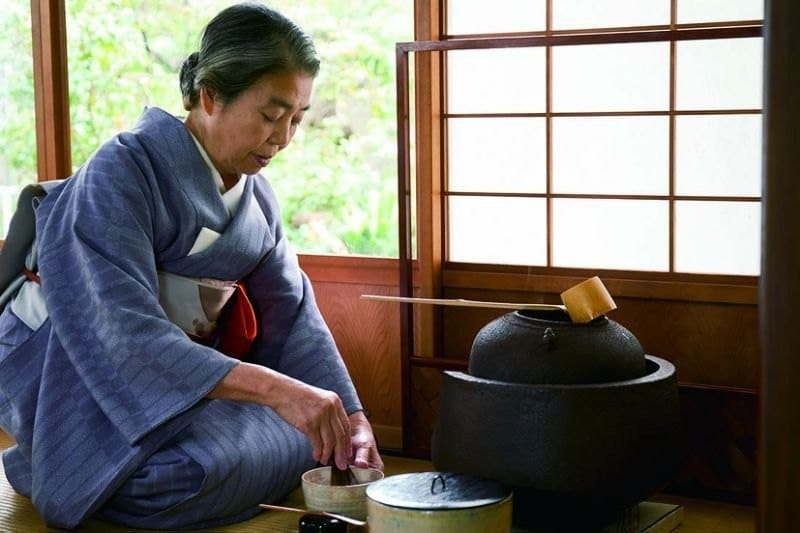
chado matcha

Article from: Fuwafuwa

Following the health trend of RAW SWEETS

With the COVID-19 pandemic raging, many people may be paying more attention to their health. However, many still feel that eating sweet and creamy desserts can boost their happiness during stressful times. However, there is another type of dessert that is incredibly healthy, packed with vitamins, minerals, and complete nutritional value. It helps improve digestion and promotes a healthy metabolism. These desserts are called Raw Sweets.

Raw Sweets are made from fresh fruits, vegetables, and all ingredients processed at a temperature not exceeding 46 degrees Celsius. They do not contain flour or sugar, but instead use brown rice or unrefined grains, which are complex carbohydrates. They are truly made from natural ingredients.

The highlight of Raw Sweets is that no heat is used, whether it is baking, steaming, or boiling, in any of the ingredients or preparation. Instead, the ingredients are simply mixed together and refrigerated instead of baking or drying the fruits naturally.

The main ingredients commonly used for making Raw Sweets include:

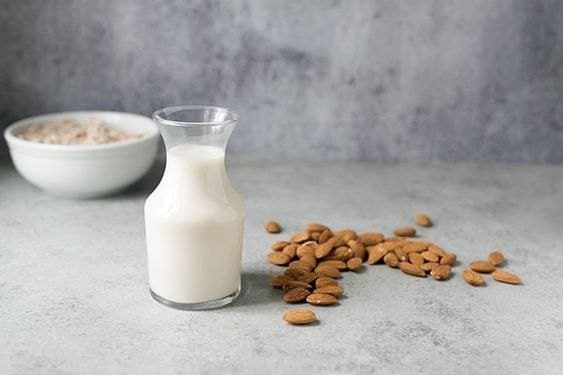
Almond Milk

1. Almond milk has a rich flavor and is ideal for adding to ice cream or cake fillings in place of fresh cream or milk. The almond pulp left over from squeezing almond milk can also be used to line the base of cakes or tarts.

Matcha Raw Sweets

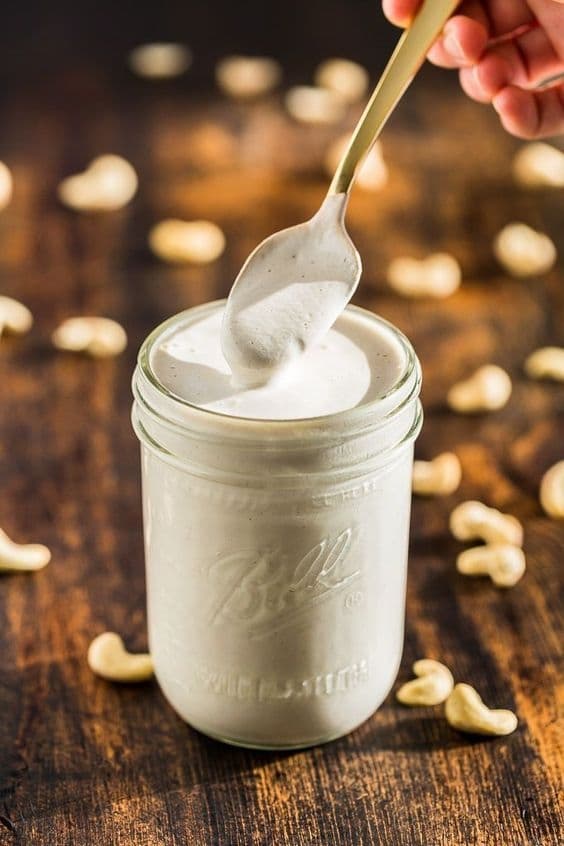
2. Cashew nut cream, made with agave syrup and coconut oil, has a rich, creamy flavor similar to fresh milk cream. It can be used in ice cream, cake fillings, and tarts. You can make cashew nut cream once and freeze it for long-term use.

For any restaurant that already has a non-lean, non-clean dessert menu, during this time when the disease is spreading, preparing desserts with high-quality ingredients using the Raw Sweets method is another idea that is worth adapting to the restaurant’s menu, such as:

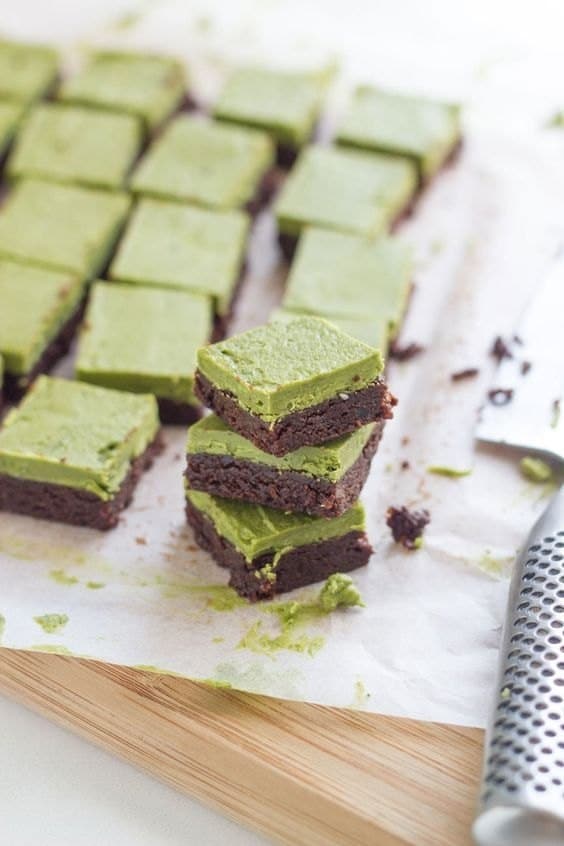
Matcha Brownie

Raw Matcha Brownies, a brownie menu that many people like, is easy to make. But who knew that you could make it with a clean recipe like this? The ingredients are not many, including:

  1. 30 grams of coarsely chopped dried dates
  2. 40 grams of walnuts
  3. 40 grams of almond powder
  4. 2 teaspoons cocoa powder
  5. 2 teaspoons agave syrup
  6. 1 teaspoon liquid vanilla extract
  7. 2 teaspoons green tea powder

method

  1. Blend the dates until smooth. Add the almonds, agave syrup, and vanilla. Mix until well combined.
  2. Divide the mixture into two equal parts. Mix the walnuts and cocoa powder in the first part. Mix the green tea powder in the second part.
  3. Pour the cocoa mixture into the mold, spreading it evenly until it’s full. Then pour the green tea mixture on top and press it firmly. Refrigerate for about 1-2 hours to set. Enjoy with warm almond milk or add a little honey for a sweeter taste.

In addition to the Raw Sweets Matcha Brownie recipe, there are many other recipes that can be adapted, such as Pistachio Matcha Bars and Raw Matcha Cheesecake .

Matcha matcha ball

Source

http://www.rebelrecipes.com/raw-matcha-cheesecake-vegan-gluten-free/

http://www.becomingness.com.au/blog/raw-matcha-brownies

https://intentionalhospitality.com/matcha-energy-balls/

http://traditional-japan.tumblr.com/post/174790242132/via-pinterest

https://www.ehow.com/how_2041161_make-almond-milk.html?utm_source=pinterest.com&utm_medium=referral&utm_content=freestyle&utm_campaign=fanpage&crlt.pid=camp.yqA17WPYpdOm

https://getinspiredeveryday.com/food/savory-vegan-cashew-cream-sauce/

Article from : Fuwafuwa