Opening a cafe to sell food, desserts, and drinks alone may not be enough these days. With more competitors, you may feel that your shop is too quiet. Holding promotions alone is not enough. Organizing small workshops in the shop is another idea that creates a colorful and new atmosphere in the shop. In addition to helping create an experience for customers, it also attracts a new group of customers who may have never been to the shop before but enjoy workshops to join in the fun at the shop.
5 cool workshop activity ideas that can be easily organized in your shop:
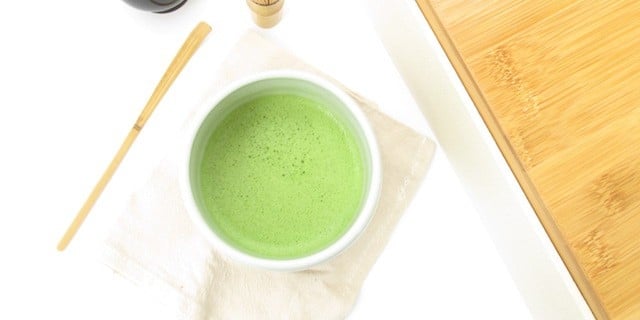
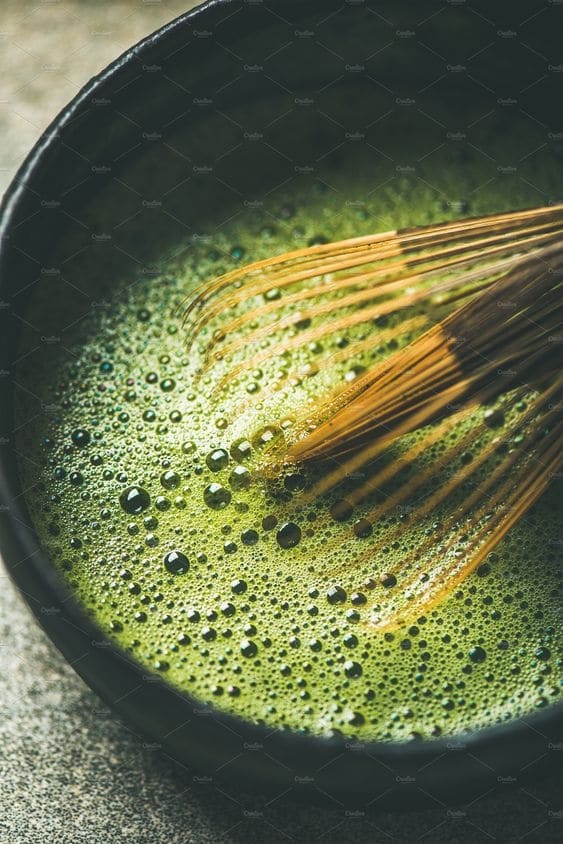
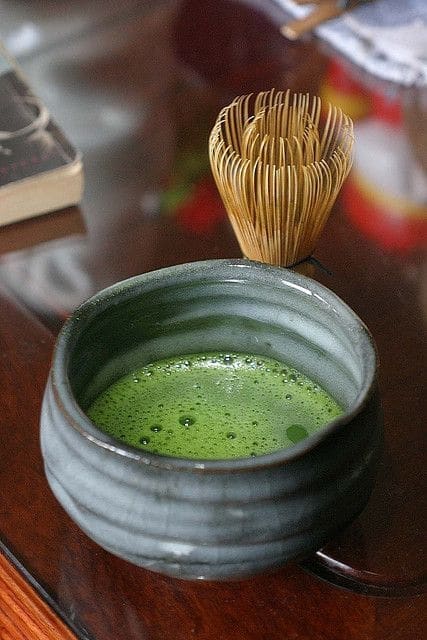
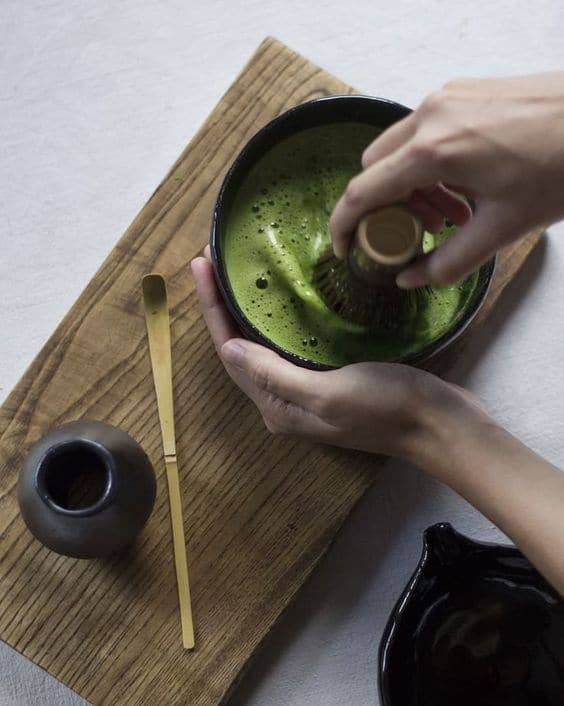
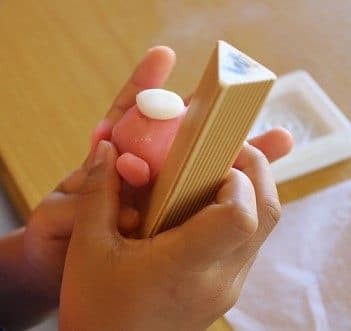
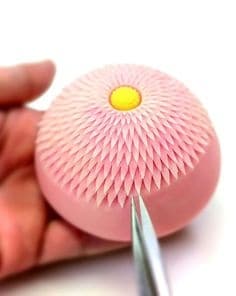
1. Organizing a Japanese-style tea ceremony workshop alongside making wagashi sweets. Because it is a unique Japanese tea ceremony culture that is different from making bakery goods, many dessert lovers would like to try making wagashi sweets, which requires white beans and meticulous design, as well as a full-fledged Japanese tea ceremony that green tea lovers will feel like they want to experience making your favorite cup of green tea themselves. During the workshop, knowledge about green tea can be inserted, such as the benefits of tea and life philosophy gained from making tea, etc.
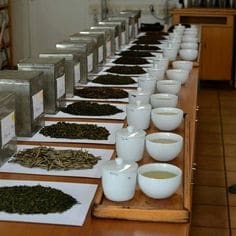
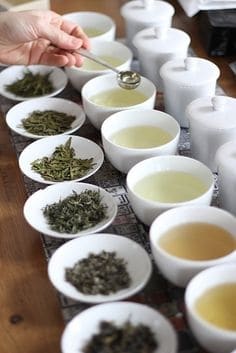
2. Making tea tasting for tea lovers to enjoy. This idea is suitable for shops that have many types of tea drinks, such as green tea, Hojicha, Genmaicha, or even shops that have green tea with different concentrations. They bring each type of tea to brew and smell to practice observing the differences in tea flavors due to climate, terrain, and the different production processes of each type of tea, which gives different textures. Practicing tasting and providing knowledge to customers about each type of tea is an activity that is very suitable for true tea lovers. It may seem a bit academic, but if the shop creates a relaxing atmosphere and provides clear information about each type of tea, it will show that our shop is a real tea specialist.
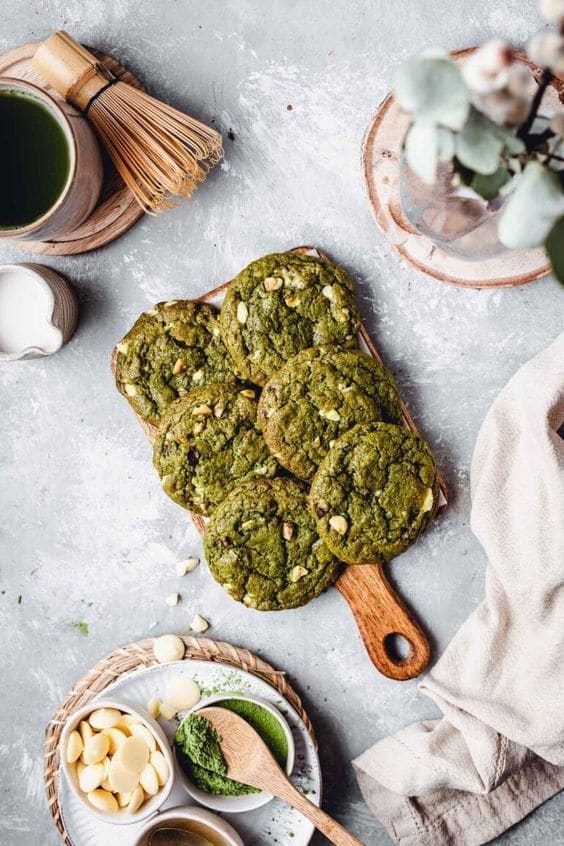
3. Making green tea desserts This activity is very easy to do. It does not require in-depth expertise like other activities. If your shop has green tea bakery, you can open a small workshop for those who want to try cooking and baking but do not know where to start. You will have the opportunity to try making your favorite green tea desserts with your shop providing advice throughout. You can organize a green tea dessert menu or Hojicha tea every week to attract your customer base who are impressed to come back and make more menus without repeating the menu, such as making green tea ice cream, green tea cookies, Hojicha tea pudding, etc.
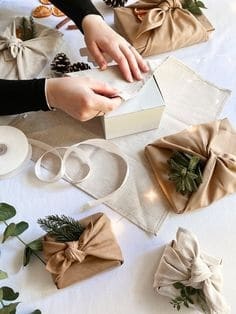
4. Wrapping Japanese-style Furoshiki cloth for giving tea powder as a gift. This event is perfect during festivals such as Valentine’s Day, Father’s Day, Mother’s Day, and Christmas and New Year’s when everyone gives gifts to each other. Let your customers be immersed in Japanese culture by wrapping the gifts they buy. Or buy a tea powder set from the shop and package it in an eco-friendly way, without using plastic bags, with chic cloth. You can make it into many patterns for customers to choose from according to the personality of the recipient.
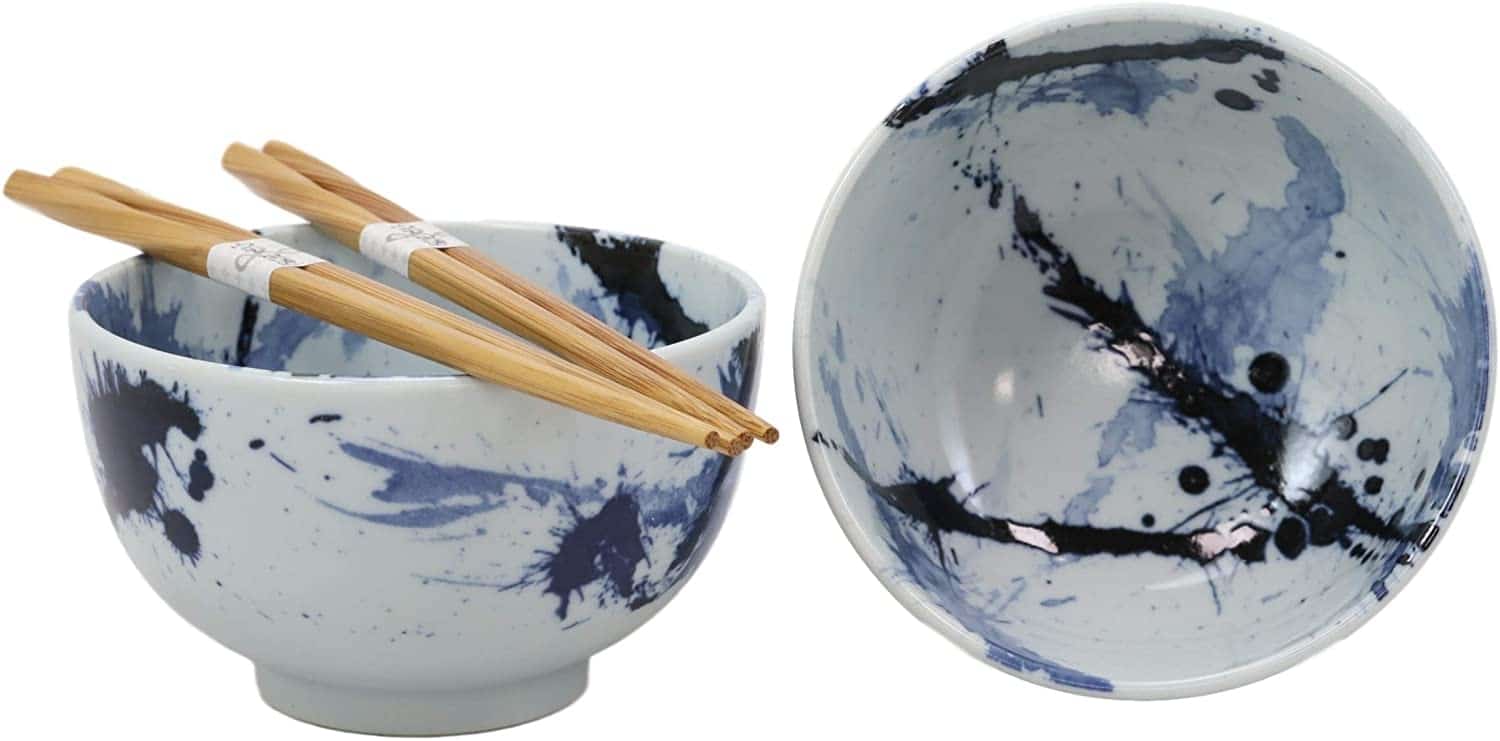
5. Painting teacups or making Kintsugi, an activity for art lovers that has become increasingly popular. With the philosophy gained from these teacups, it has become more and more popular. Of course, teacups are the favorite containers of tea lovers. If you try painting patterns or learn the technique of lacquering and welding teacups that break on their own, you will definitely enjoy drinking tea even more.
For customers who are interested in joining these activities, the store can set various conditions, such as:
- You must purchase the product in the store first to receive the workshop privilege at a reduced price or
- Join for free if your purchase reaches XX baht.
On the other hand, you can give special discounts to all participants after the workshop to turn this group of customers into in-store customers through the promotions set up by the store.
Source
http://moichizen.exblog.jp/5313611/
http://www.boredpanda.com/flower-14/
Article from : Fuwafuwa