Milk tea, whether it’s matcha latte or iced milk tea, is a favorite among many. With its rich tea flavor and smooth milk blended according to the shop’s recipe, tea has become one of the most consumed beverages in the world. In Thailand, we have iced black tea and milk tea, while in Japan, green tea is popular. In Europe, there’s also a tradition of drinking tea with dessert, known as Afternoon tea. In addition to its delicious taste, tea is also rich in nutrients that are very beneficial to the body, as we all know, such as catechins, which are substances that help capture free radicals, and theanine, an amino acid that works in conjunction with nerves. Drinking it will make you feel relaxed, calm, and more mentally clear. To fully benefit from these nutrients, it’s well-known that you should drink it without milk or sugar.
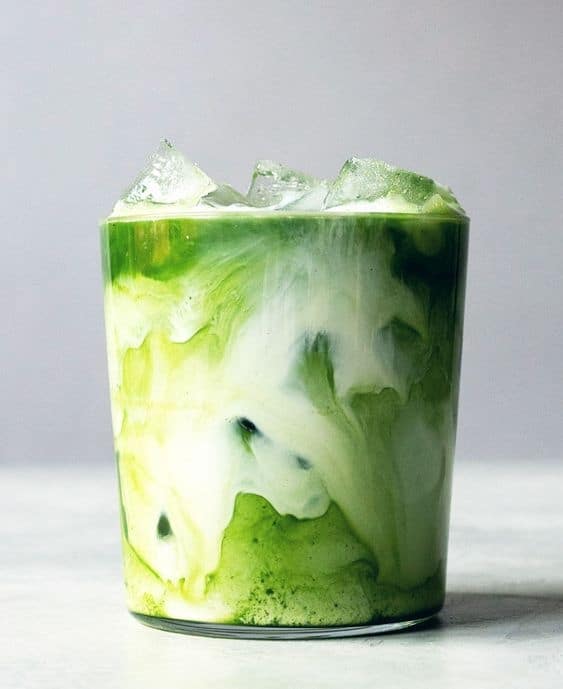

But is mixing tea with milk really bad?
Researchers from the Carit Hospital of the University of Berlin, Germany, discovered that tea’s benefits would be lost if milk was added, because the proteins in milk would inhibit the action of catechins, thus eliminating the benefits of tea in protecting against heart disease. The study compared the health of people who drank warm water, drank tea, and drank tea with milk. It was found that:
“Drinking tea significantly improved blood circulation compared to drinking warm water. However, when milk was added to the tea, the tea’s benefits disappeared immediately.”
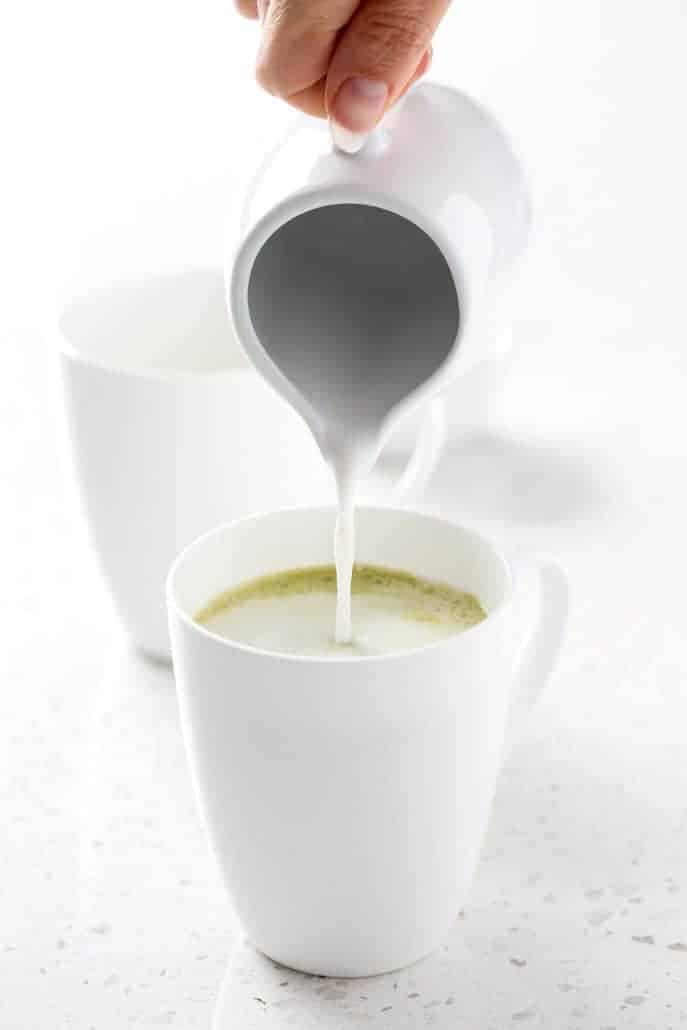
But if you really want to drink tea with milk, there is still a debate: “Should you add the tea before or after the milk?”
Some believe that adding milk after brewing allows the drinker to more easily gauge the amount of milk by observing the color change, and also allows the tea maker to choose their preferred temperature.
Of course, some people argue that adding milk before brewing tea better preserves the tea’s temperature and produces a more mellow flavor. This is because the lactose in milk dissolves better when heated slowly. Pouring the tea in afterward allows the milk to thoroughly contact the heat from the tea, which contributes to a more mellow and sweet flavor. Furthermore, good milk should not be heated multiple times. Therefore, if you want to preserve its nutritional value, serving milk at room temperature, with only one contact with the tea, is recommended.
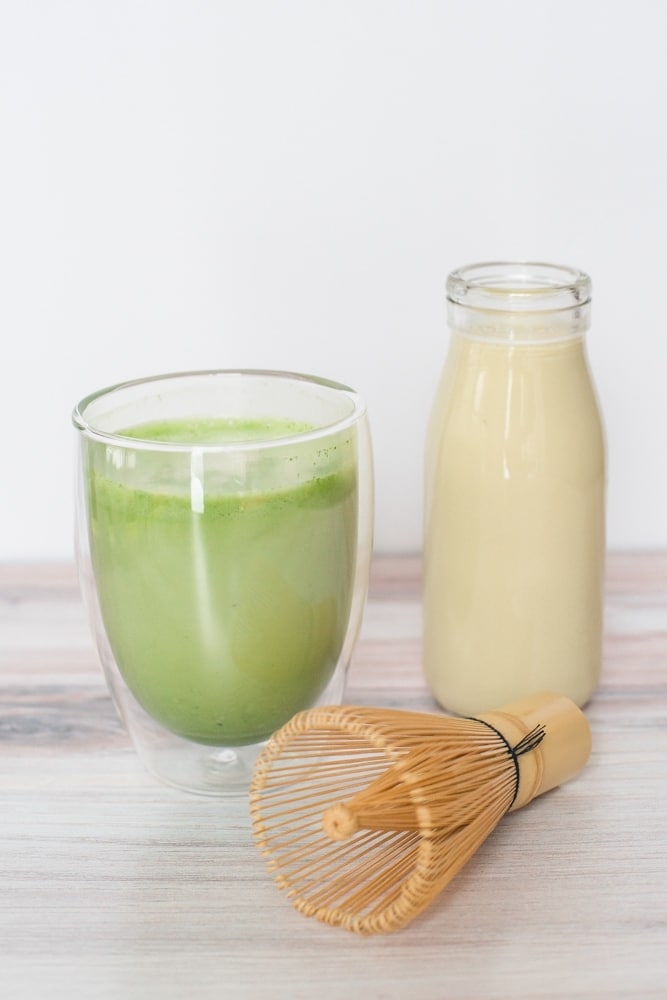
However, not adding milk to tea is considered the best way to drink it. But if you really want to add milk, try switching to tea mixed with almond milk or pistachio milk instead. These two are rich in low calories, vitamin E and vitamin D, just like cow’s milk. Importantly, they do not contain soy, are lactose- and gluten-free, so those allergic to cow’s milk can consume them without worry.
Source: https://www.teacachai.com/pistachio-matcha-latte/
https://www.acozykitchen.com/matcha-iced-latte
https://bonaippetit.com/aip-coconut-milk-matcha-latte/
https://theforkedspoon.com/how-to-make-thai-iced-tea/
Article from: Fuwafuwa