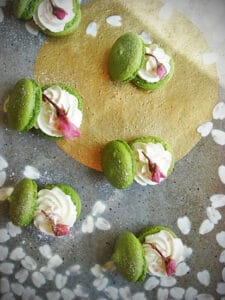
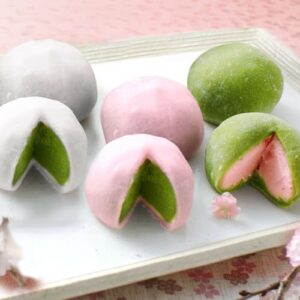
Enhancing Japanese Desserts: Matcha Powder with Three Classic Toppings

“โยคัง วาราบิโมจิ ดังโงะโมจิ” ขนมญี่ปุ่น 3 ชนิดนี้ เห็นได้ทั่วไปในร้านขนมญี่ปุ่น บางร้านก็เสิร์ฟแบบเดี่ยวๆ บางร้านก็เสิร์ฟคู่ชาเขียวร้อนๆ ตามร้านคาเฟ่ จะถูกนำมาเป็นท้อปปิ้งบนพาร์เฟต์ ไอศครีม หรือน้ำแข็งใส เพื่อให้ขนมจานนั้นได้กลิ่นอายและสัมผัสรสชาติความเป็นญี่ปุ่น

ในปัจจุบันได้มีการดัดแปลงปรับสูตรให้รสชาติของขนมทั้ง 3 ชนิดนี้มีความหลากหลายมากยิ่งขึ้น และมีวิธีจัดเสิร์ฟแบบทันสมัยแต่ได้กลิ่นอายความเป็นวากาชิ หรือขนมญี่ปุ่น หลากหลายไอเดียและวิธีทำขนมแบบง่ายๆให้คนรักมัทฉะเอาไปปรับสูตรทำเองที่ร้านได้
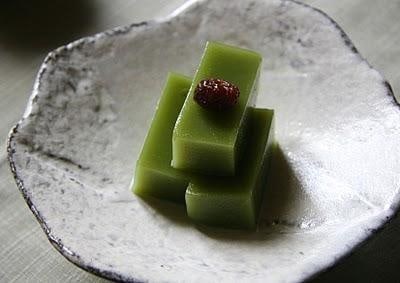
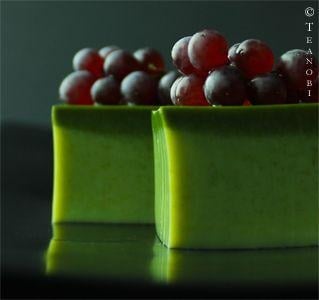
Matcha YokanMatcha Yokan

เริ่มจาก “โยคัง”(羊羹) โยคังเป็นวุ้นถั่วแดงกวน ปกติจะมีรูปทรงเป็นแท่งสี่เหลี่ยมผืนผ้า สีน้ำตาลแดงจากถั่วรสชาติหวานจัด ส่วนใหญ่จะทานคู่กับชาเขียวร้อนในพิธีชงชารสชาติจะตัดกัน เดิมทีมีต้นกำเนิดมาจากประเทศจีน เป็นขนมที่ทำด้วยเจลาตินจากเนื้อแกะ ในยุคคามาคุระมีนักบวชศาสนาพุทธนิกายเซน เป็นผู้นำขนมโยคังเข้ามาเผยแพร่ในญี่ปุ่น แต่เนื่องจากศาสนาพุทธห้ามการฆ่าสัตว์ จึงมีการเปลี่ยนจากเจลาตินจากสัตว์ มาเป็นแป้ง ถั่วแดง และวุ้น และมีการใช้วุ้นเข้ามาผสมในภายหลัง จนกลายมาเป็นโยคังในปัจจุบัน

โยคังเป็นวุ้นญี่ปุ่นซึ่งมีต้นกำเนิดมาจากประเทศจีน มีลักษณะเป็นก้อนสี่เหลี่ยมสีน้ำตาลแดงโดยทำจากถั่วแดงกวน (Anko) ถ้าเป็นโยคังสีเขียวก็ทำจากชาเขียว ที่มีวิธีทำแสนง่าย

  1. นำถั่วแดงบดเนื้อเนียน 225 กรัมและน้ำตาลทรายขาว 70 กรัมผสมลงในหม้อ นำไปต้มด้วยไฟกลาง คอยคนตลอดด้วยไม้พายเพื่อไม่ให้ไหม้
  2. ต้มไปซักพัก แล้วลองลากไม้พายลงไปตรงกลางแล้วยังเหลือเป็นรอยลาก คือถั่วแดงไม่ไหลกลับมากลบรอยก็ถือว่าโอเค จากนั้นตักออกมาแผ่บนถาดเพื่อให้เย็นลง
  3. ในหม้อต้มอีกใบผสมน้ำ 180 มล. + ผงชาเขียว 5 กรัม กับผงวุ้นหรือผงคันเทน 2 กรัม  ต้มจนเดือดแล้วจึงลดเป็นไฟเบา ต้มต่ออีก 2 นาทีแล้วจึงปิดไฟ
  4. ผสมน้ำตาลทรายแดง  20 กรัม และ (2) ลงไปใน (3) ผสมจนเข้ากัน นำไปต้มจนเดือดแล้วจึงลดเป็นไฟเบา ต้มต่ออีก 2 นาที
  5. เทใส่พิมพ์แล้วนำไปแช่เย็น 30 นาที เอาออกมาหั่นเสิร์ฟเป็นชิ้นๆ อาจเสิร์ฟคู่กับถั่วแดงเชื่อมด้านบน

คุณสมบัติอีกอย่างที่คาดไม่ถึงของขนมโยคัง คือ เก็บไว้ได้นาน อย่างเช่นมากถึง 5 ปี 6 เดือน เพื่อสามารถเก็บเป็นอาหารยามฉุกเฉินเวลามีเหตุภัยพิบัติธรรมชาติ นอกจากนี้ร่างกายยังดูดซึมสารอาหารได้ง่าย และเก็บไว้ในอุณหภูมิปกติได้แม้ไม่ได้นำเข้าตู้เย็น
Warabi MochiWarabi Mochi

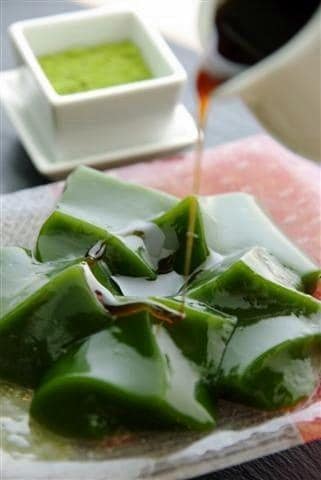
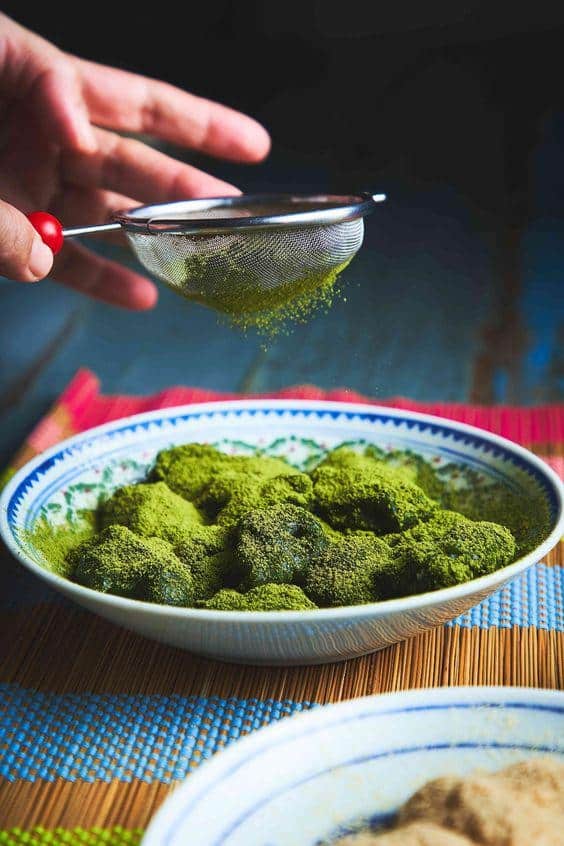
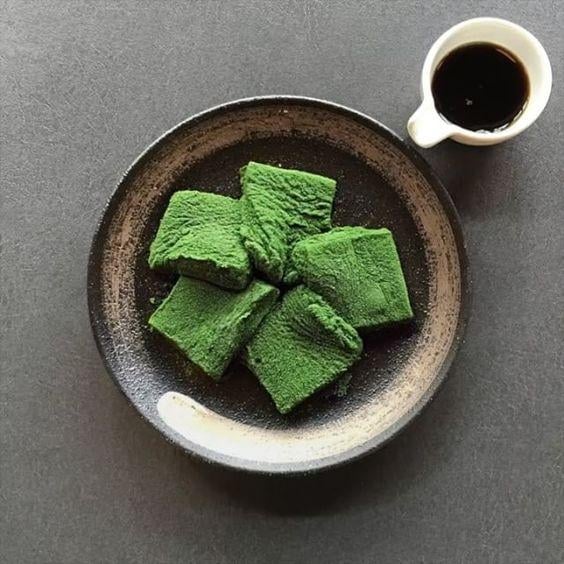
ส่วน” วาราบิโมจิชาเขียว “เป็นขนมญี่ปุ่นที่ทำด้วยแป้งจากต้นวาราบิ เนื้อแป้งหนึบ ๆ คล้ายกับแป้งโมจิ นิยมนำไปคลุกกับ คินาโกะ (Kinako) ซึ่งเป็นผงถั่วเหลืองได้กลิ่นหอม ๆ แบบถั่วคั่ว หรือทานคู่ซอสน้ำตาลทรายแดง เรียกว่า คุโรมิสึ (Kuromitsu) หรือโรยผงชาเขียว ก็เป็นขนมที่ได้รับความนิยมมากๆ ในช่วงหน้าร้อน ตามร้านคาเฟ่จะมีวาราบิโมจิเป็นท้อปปิ้งบนพาร์เฟต์ ไอศครีม วิธีทำก็ไม่ยาก เริ่มจาก

  1. ผสมแป้งวาราบิโมจิเขียว100 กรัม นํ้าตาล 50 กรัม ผงมัทฉะ  1 ช้อนชา นํ้าเปล่า 500 มล. ในอ่างผสม
  2. เอาหม้อใส่นํ้าต้มให้เดือด วางอ่างผสมลงไปด้านบน กวนไปเรื่อยๆ พอแป้งเริ่มสุก ก็ยกลงกวนต่อจนแป้งสุกและใสทั่ว เป็นเนื้อเดียวกัน โรยผงถั่วบนถาดหรือภาชนะที่จะใช้ใส่วาราบิโมจิ เสร็จแล้ววางในอ่างที่ใส่นํ้าแข็ง ทิ้งไว้ให้เย็นและเซ็ตตัว ประมาณ 20 นาที
  3. เทออกมาหั่น สังเกตจากแป้ง แป้งจะนุ่ม ใส และไม่คงรูป หั่นแล้วไม่เป็นชิ้นสี่เหลี่ยมลูกเต๋าเป็นเพราะแป้งนุ่มมากๆ ทำเสร็จแล้วรีบทานให้หมด
  4. หากใครอยากทานกับน้ำตาลคุโรมิทสึ ให้เอาน้ำตาลดำ หรือน้ำตาลทรายแดงบ้านเรา 50 กรัม ต้มละลายกับน้ำ 200 มล.  ปริมาณน้ำขึ้นอยู่กับความหวานที่ต้องการ เพียงเท่านี้ก็เหมือนได้ไปคาเฟ่ที่ญี่ปุ่นเลย
Warabi Mochi

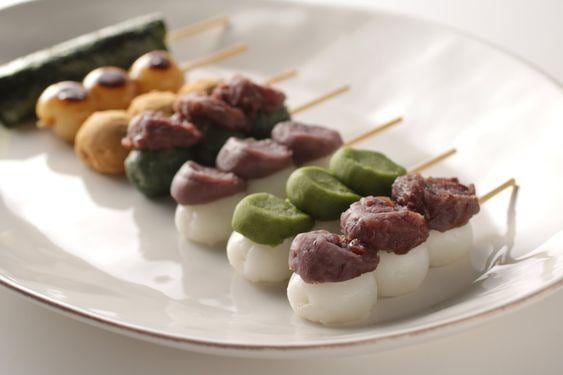
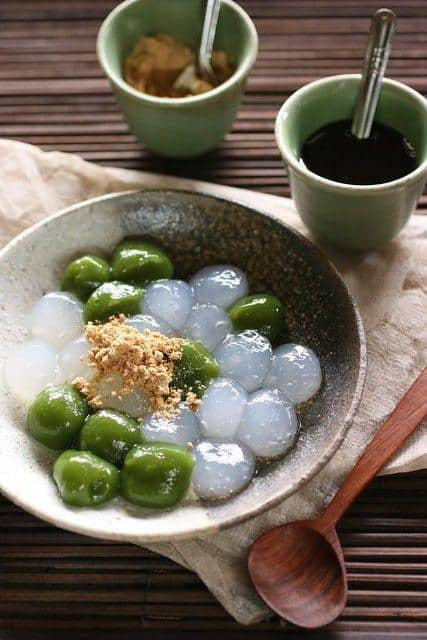
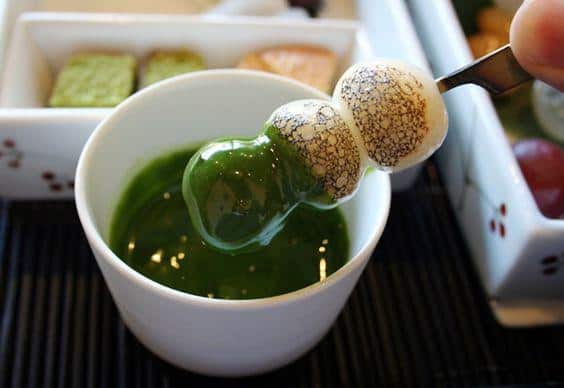
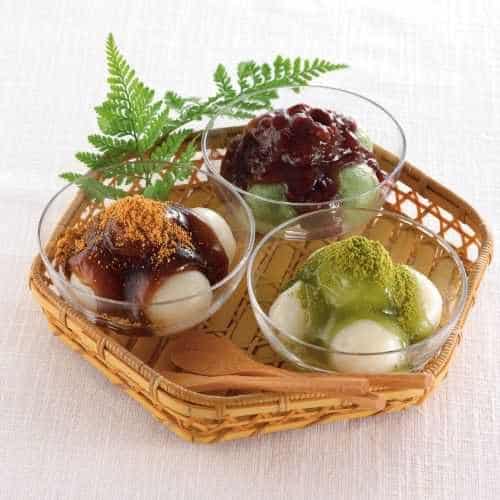
ขนมตัวสุดท้าย “ดังโงะโมจิชาเขียว” ขนมที่ทำจากแป้งโมจิ ปั้นเป็นก้อนกลมๆ รสชาติเค็มๆ แต่ก็มีบางสูตรอาจเติมเนื้อเต้าหู้เข้าไปผสมด้วย แล้วนำไปนึ่ง หรือ ต้มในน้ำเดือดจนสุกก่อน ย่างบนเตาถ่าน ก่อนจะราดด้วยสารพัด หน้าต่างๆ เช่น โชยุ มิโสะ ถั่วแดงกวน มันเทศหวาน งาดำบด หรือ ซอสชาเขียว ด้วยรสสัมผัสนุ่ม หนุบหนับ ทำให้เป็นที่ชื่นชอบของคนส่วนใหญ่ แม้วิธีการเสิร์ฟจะเปลี่ยนไปแค่ไหน แต่ขนมดังโงะก็ยังถือได้ว่าเป็นขนมที่ได้รับความนิยมมาโดยตลอด เพราะเป็นสิ่งที่สะท้อนถึงขนบธรรมเนียมและประเพณีอันเก่าแก่ในอดีตของญี่ปุ่นมานับร้อยๆปี มาลงมือทำดังโงะตามสไตล์คนรักชาเขียวกันดีกว่า โดยสามารถผสมผงชาเขียวลงไปในแป้งเลยก้ได้เพื่อให้ได้แป้งสีเขียว หรือที่เห็นกันทั่วไปจะทำเป็นลูกสีขาวธรรมดา แต่ตกแต่งด้วยท้อปปิ้ง หรือซอสแบบต่างๆ

DangoDango

  1. เริ่มจากผสมแป้งข้าวเหนียว 100 g. แป้งข้าวจ้าว 100 g. และน้ำตาล 2 ช้อนชา เข้าด้วยกัน
  2. เติมน้ำ ⅔ ส่วน ในส่วนผสม ค่อยๆนวดจน เป็นเนื้อเนียน แล้วปั้นแป้งเป็นก้อนๆ เล็กใหญ่ตามต้องการ
  3. ค่อยๆย่อนลงต้มในน้ำเดือด ประมาณ 1 นาที หรือจนตัวดังโงะลอยขึ้น จากนั้นตักขึ้นแล้วนำมาน็อคด้วยน้ำเย็นจัด
  4. ปล่อยให้สะเด็ดน้ำแล้วนำมาเสียบไม้ แล้วนำไปย่าง ประมาณ 4 นาทีแล้วเอาขึ้น
  5. ส่วนน้ำซอสหรือท้อปปิ้งที่ใช้ราดดังโงะ สามารถดัดแปลงได้ตั้งแต่ใช้ถั่วขาวผสมผงชาเขียว หรือราดด้วยซอสมิทาราชิ ที่ทำจากน้ำตาล 5 ช้อนโต๊ะ + ซอสถั่วเหลือง 1 ช้อนโต๊ะ + มิริน 1 ช้อนโต๊ะ + น้ำเปล่า 5 ช้อนโต๊ะ + แป้งข้าวโพด 1 ช้อนโต๊ะ เคี่ยวจนเข้ากัน หรือจะทานคู่กับไอศรีมชาเขียวก็เป็นมื้ออร่อยของเด็กๆอย่างแน่นอน
Matcha DangoMatcha DangoMatcha Dango

ที่มา

teanobi.com

8days.sg

http://kyotofoodie.com/kyoto-cafe-jouvencelle-gion/

recetasgratis.net

https://www.flickr.com/photos/bananagranola/2529983071

บทความจากFuwafuwa

Getting to know the tea production process (Tea Processing)

The tea production process is considered an art. Because of the close control of production And with the meticulousness of every production step, it will result in a variety of teas with different flavors. Whether it is drying the tea leaves, or withering, through rolling and fermentation or oxide reaction, every step is important to the taste of the tea. The production of good tea leaves must also be planted in good quality. Because the important part comes from the natural environment, both the terrain and the climate. And there are many things that are worth knowing about growing green tea (Read more at https://bit.ly/3eRNXRU ). In Japan itself, there are only a few places that can grow green tea with good yields. The well-known area is Uji City, Kyoto, where farmers have experience in both planting and harvesting techniques.Tea Processing

The tea leaf harvesting process begins in early May, when the young leaves are carefully selected from the tea plant, with the best young leaves being called “ichibancha (一番茶).” Experts select only the youngest and greenest leaves to be namacha (生茶), or “fresh tea.” The leaves then go through the main production steps, as follows:

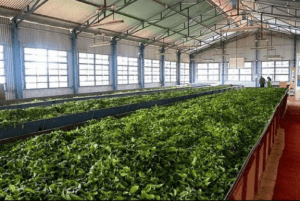
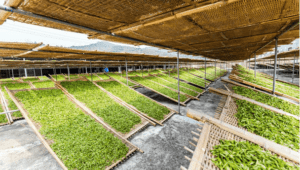
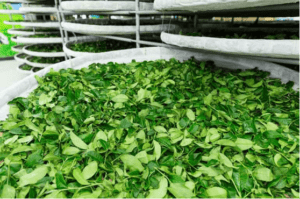
  1. Withering: This process is done by shaking off moisture from fresh tea leaves at room temperature for 8-24 hours (depending on the type of tea to be produced). The leaves are then dried to reduce the water content of the tea leaves by 50-60%. The resulting tea leaves are soft and bendable before being processed further.Tea Processing
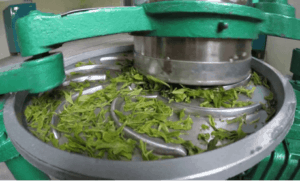
  2. Rolling: By rolling the leaves to dry them by twisting and crumbling them. During rolling, some broken leaves are normal. If there is no machine, some people may shake or use their hands. During the rolling process, oil will come out of the tea leaves, giving the tea a special aroma. The chemical changes that occur for a short period of time through rolling will result in tea leaves with good taste and aroma. After that, they will be sent to a sifter to separate the types of tea. Small leaves will go to the next step, while bigger and harder leaves will be sent back to be rolled a second time.Tea Processing
  3. Oxidation/Fermentation is a chemical process in which oxygen is absorbed to release enzymes that react with air. It begins when the leaf membranes break down during oxidation, causing the leaves to turn a bright gold color. This is the key factor in determining whether a tea is green, black or oolong. It is a transitional stage that affects the aroma and color. If this stage is stopped too soon, the tea will be green and may have a metallic taste. If fermented for too long, it will gradually become sweet and lose both its quality and aroma.
  4. Drying or burning: This process will dry the leaves evenly throughout the leaves by applying continuous heat of about 120-200 degrees Fahrenheit to stop the oxidation fermentation process. There are two ways to stop the oxidation fermentation process: steaming using heat or by roasting. The tea leaves are placed in a large iron basin for about 20-30 seconds and heated to 100 degrees Celsius. This stops the destruction of the enzymes that cause fermentation. The tea leaves remain green. Roasting causes the tea leaves to turn black and dry, leaving only 2-3% moisture. However, excessive heat can cause the tea to lose its flavor, color, and aroma.
  5. Grading is a process in which leaves are graded using a screening device or sieve with different sized burrs.
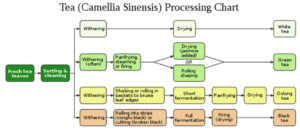
    Tea Processing The above steps do not mean that all types of tea must go through this process, but it is just an overview of the tea leaf processing process. The production of each type of tea will have slight differences, resulting in different flavors. For example, the production of white tea has the shortest steps because it does not have to go through the rolling process and the fermentation process or the oxidation reaction. The young tea leaves will be picked and dried before entering the drying process using steam immediately. Because white tea does not have a fermentation process, the color of the tea leaves is still green and white. In terms of the production of black tea , it is the tea that goes through the most processing steps. The collected tea leaves will go through the full fermentation process, consisting of the 5 basic steps above. During the drying period, the leaves will be 80% dry, which is black tea. But if it is dried too much, it may not have a fragrant smell. The method of making oolong tea is similar to black tea, but the difference is that the leaves are dried directly in the sun for 6 hours. Then, the leaves are shaken in a bamboo basket to make the edges of the leaves flawed, while the center is still green. The fermentation time is about half that of black tea. The oxidation reaction is stopped by making a fire. For oolong tea, the leaves are heated at a higher temperature because they contain a lower water content.Tea Processing

Green tea starts with the first drying of the tea leaves. After that, they are placed on a pan or steamed to prevent the oxide reaction. Finally, the leaves are rolled and dried quickly for the last time. This method keeps the tea leaves green. Due to the simple and less steps in the production process, green tea still has more beneficial plant substances than other types of tea. Green tea can also be divided into 2 types: steamed green tea and roasted green tea.

1.1 Steamed green tea is the process of stopping the chemical processes in the tea leaves by steaming them for a short period of time. When picking the tea leaves, they must be steamed at a temperature of 100 degrees Celsius for 0.7 minutes to stop the activity of the enzyme polyphenol oxidase. Then, they are massaged with hot steam to reduce the moisture content in the leaves. Then, they are massaged in a room at normal temperature to break the cells and massaged with heat again to make the tea leaves roll up beautifully. Then, they are dried to reduce the moisture content in the tea leaves to 4%. Most steamed green tea is processed in Japan. The color of this type of tea is green to yellowish green because it still contains chlorophyll.

1.2 Roasted green tea is tea that stops the chemical processes in the tea buds by roasting them in a hot pan at a high temperature of about 300-350 degrees Celsius, then kneading to break the cells until they roll up and dry. Roasted green tea can be separated into 2 types: lightly fermented roasted green tea and unfermented green tea. The color of the tea is light green with a yellow tint.

From the various steps of tea production process above, it can be easily summarized in this diagram.

Tea Processing chart

I believe that tea lovers, after reading this article, many of you will definitely start to be interested in visiting tea plantations in Japan ^^

Source

http://www.refresherthai.com/article/teaMade.php

http://www.ocha.tv/how_tea_is_made/process/schedule_ryokucha/

Article from : Fuwafuwa

Sakura & Matcha : A Perfect Match for Spring

Around this time of year, many people probably think of the pink cherry blossoms in full bloom, enjoying Japanese sweets and sipping on warm tea. Throughout Japan, there are new sweets with cherry blossom ingredients in almost every shop.

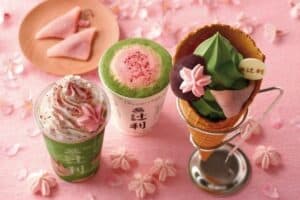
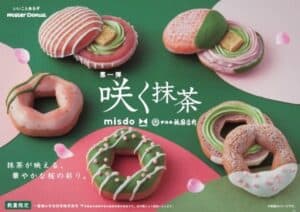
In particular, pairing it with a green tea menu helps to bring out the flavor and mellowness of Sakura perfectly, such as Sakura green tea soft cream, Sakura green tea latte, or donuts that use Sakura as an ingredient in the glaze that coats the donuts. It is an adjustment from the original recipe that is not difficult and can be made for every festival. However, the fun of immersing yourself in such an atmosphere this year will be difficult due to the COVID-19 outbreak. Matchazuki is pleasing those who miss Japan with a dessert recipe that is easy to make and has a Sakura scent.

Sakura & MatchaSakura & Matcha

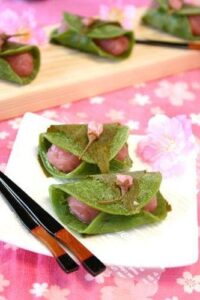
Start with “Green Tea Mochi Pancakes with Sakura White Bean and Red Bean Filling”

Sakura & Matcha

Just pour 150 cc. of water into 30 grams of mochi flour or glutinous rice flour and mix until well blended. Then sift 30 grams of cake flour and add 2 grams of matcha powder and 2 tablespoons of sugar. Mix until well blended. Refrigerate for about 30 minutes.

After that, spread a thin layer of oil on a warm pan. Scoop the prepared dough and spread it into an oval shape. Fry over low heat until both sides are cooked. Fill with mashed white beans mixed with 2 grams of sakura powder or adjust the taste level as you like. If you make a filling with a mild sakura flavor, it is recommended to wrap it with pickled sakura leaves and decorate it with another layer of pickled sakura flowers.

The next recommended menu is “Hanami Dango”, 3 colors of Dango: green, white, and pink. This Dango is popularly eaten during the cherry blossom season while viewing the flowers. Many people believe that the 3 colors of Dango represent the blooming of the cherry blossoms, with green representing cherry leaves, white representing cherry blossoms that are in bud, and pink representing cherry blossoms that are in full bloom.

Let’s go into the kitchen and start cooking…

Start by dividing the kneading bowl into 3 bowls.

  • Bowl 1: Take 40 grams of mochi flour, 40 grams of tofu, 1 tablespoon of sugar, and 2 grams of sakura powder and knead until soft.
  • Next, in the second bowl: Take 40 grams of mochi flour, 40 grams of tofu, 1 tablespoon of sugar, and 2 grams of matcha powder and knead until soft. Some shops use mochi flour mixed with yomogi (yomogi is a type of Japanese grass that smells and tastes like vegetables. It is popularly used to make wagashi).
  • The last part, 3rd bowl: Take 40 grams of mochi flour, 40 grams of tofu, 1 tablespoon of sugar and knead until soft. Then boil water and put the dango flour in and boil until the dango floats to the surface (about 2-3 minutes). Use a whisk to scoop them out of the boiling water and rinse with water to cool the dango. Then set aside. Use a skewer to insert the dango. 3 pieces per skewer and it’s ready to eat.

Matcha DangoDango

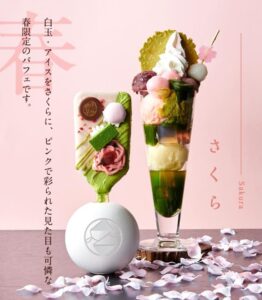
In Japan, Hanami Dango is popularly used as a topping for green tea parfait or green tea soft cream, making a perfect combination.

Sakura & MatchaSakura & Matcha

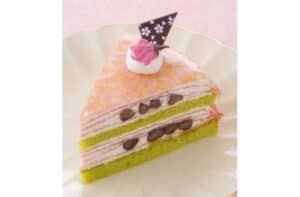
Next up is “Green tea Sakura red bean crepe cake” made with green tea chiffon cake, alternating layers with fresh cream, red beans and sakura crepe. The method for making sakura crepe is no different from making regular crepe cake. Beat 4 eggs together and add ⅓ cup of sugar and stir until dissolved. Sift 2½ cups of wheat flour with 2 tablespoons of sakura powder. After that, slowly pour 400 ml. of milk into the flour, dividing it into 3-4 rounds and stirring until there are no flour lumps left.

Add ¼ cup melted butter, mix well. Strain all ingredients and refrigerate the batter for at least 4 hours. When the time is up, stir the batter before frying. Grease a Teflon pan with butter and use low heat. Pour the batter into a circle. You will see that the batter is cooked when there are large air bubbles pushing the batter. Fry until all the batter is gone. After resting the batter by refrigerating it for about 2-4 hours, you can assemble the layers into a green tea sakura crepe cake. As for the method of making green tea cake, you can use this Matchazuki green tea cake recipe or if any shop has its own recipe, you can mix it (read the green tea cake recipe at shorturl.at/abuR5). Then change the cake mold to the same size as the sakura crepe you are making and it is done.

Sakura & Matcha

As you can see, Sakura used in making desserts is either Sakura powder extracted from pickled Sakura or pickled Sakura flowers. It depends on which one you choose. And in addition to the dessert recipes above that allow us to experience the perfect harmony of green tea and Sakura, a delicious pair, there are many other menus that can use Sakura to enhance the deliciousness and give a sense of this Seasonal, such as Green Tea Macarons with Sakura Fresh Cream, Green Tea Roll Cake with Sakura Fresh Cream, or like the popular dessert Daifuku, which perfectly combines Green Tea and Sakura.

Sakura & MatchaSakura & Matcha
Sakura & Matcha

Source

http://paogohan.blog42.fc2.com/blog-entry-513.html

https://www.travelsintranslation.com/2015/04/recipe-of-the-month-cherry-blossom-sugars/

https://arigatojapan.co.jp/sakura-and-matcha-a-perfect-match-for-spring/

https://matcha-jp.com/en/1695

https://soranews24.com/2021/03/11/sakura-and-matcha-star-in-new-mister-donut-collection/

https://nagoyafoodie.com/soft-serve-ice-cream-in-japan/

https://constellationinspiration.com/2020/04/dango-mochi.html

Article from : Fuwafuwa