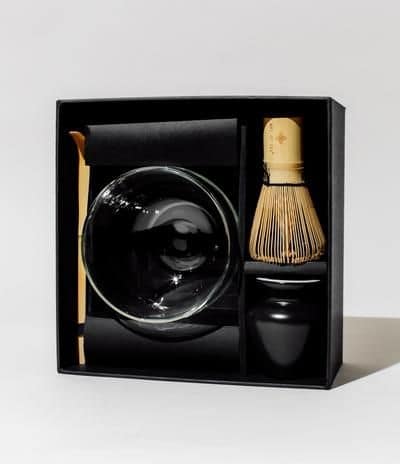
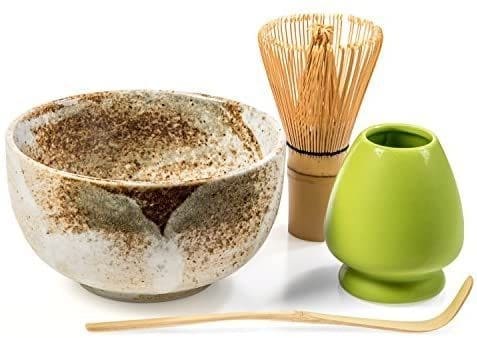
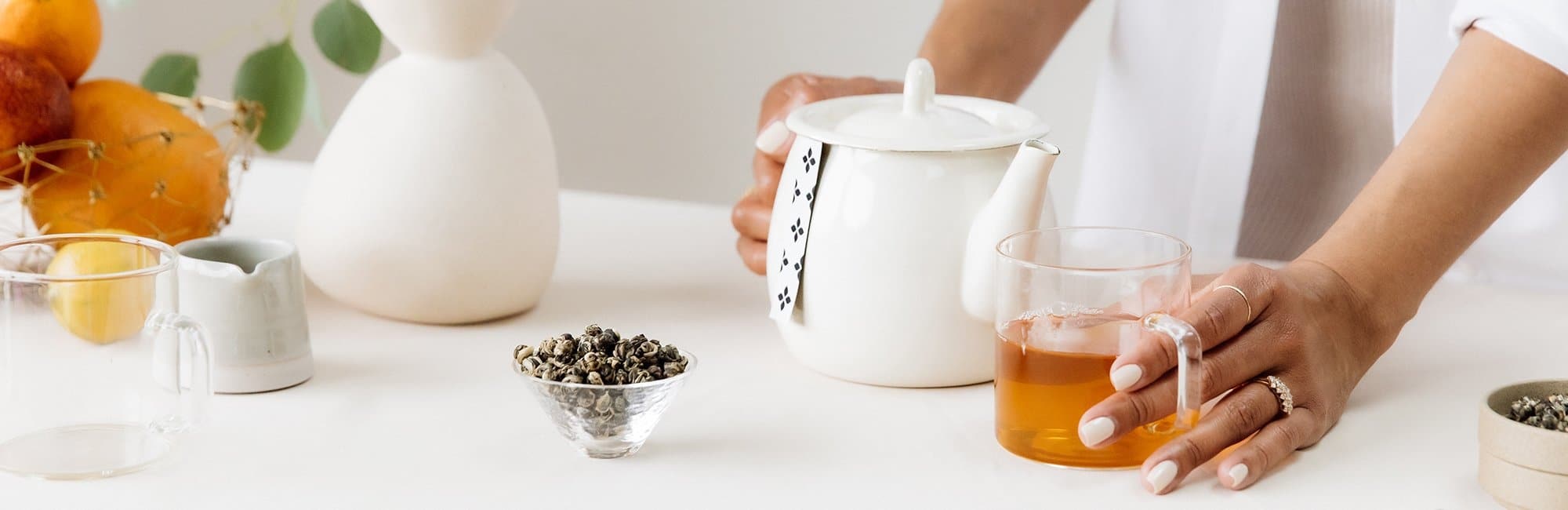
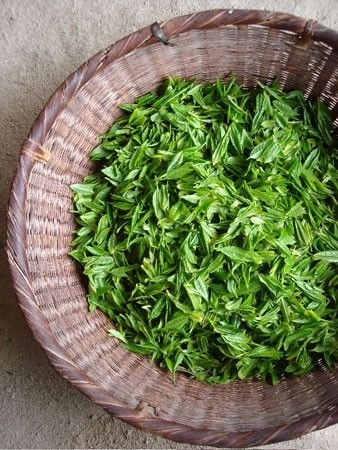
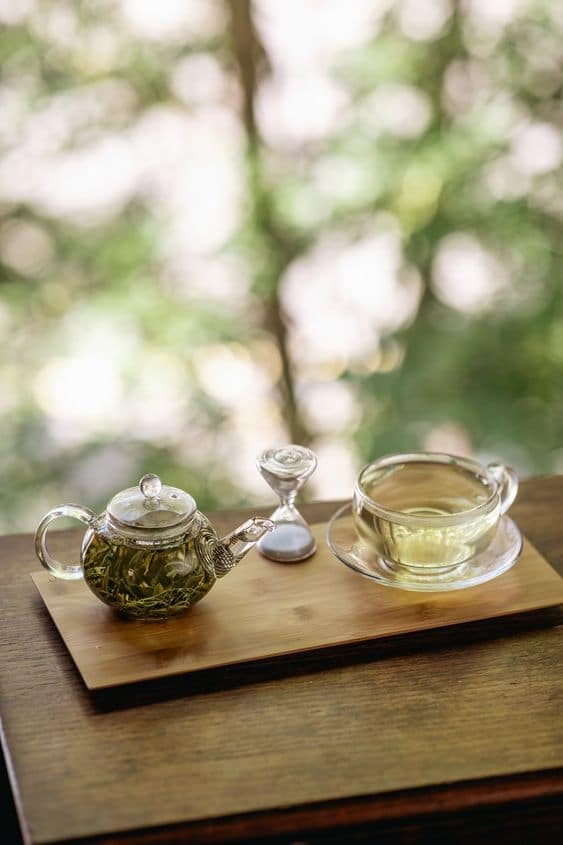
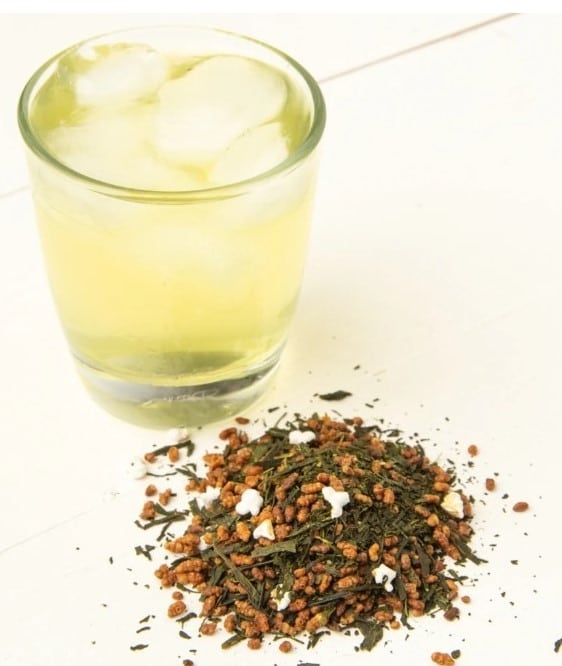
Is it true that drinking hot green tea is better than cold green tea?

Green tea is a nutritious beverage that’s beneficial to the body. It can be enjoyed either hot or cold. However, drinking green tea may not provide any benefits to the body if consumed incorrectly. As everyone knows for sure, tea, whether hot or cold , should not be flavored with sugar or any type of milk, including fresh milk, condensed milk, or powdered milk. This is because the protein in milk will bind to the important substances in the tea and destroy the effectiveness of the active ingredients that are beneficial to the body. For health benefits, it’s best to drink plain, unflavored tea.
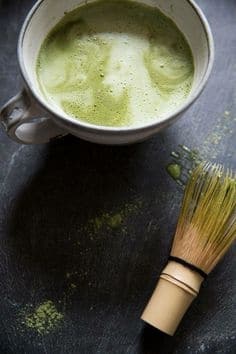
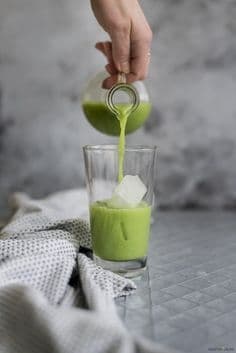
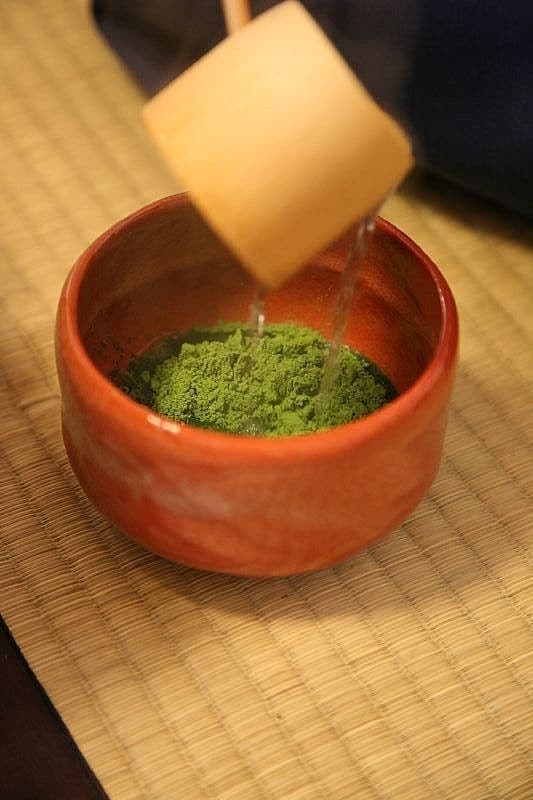
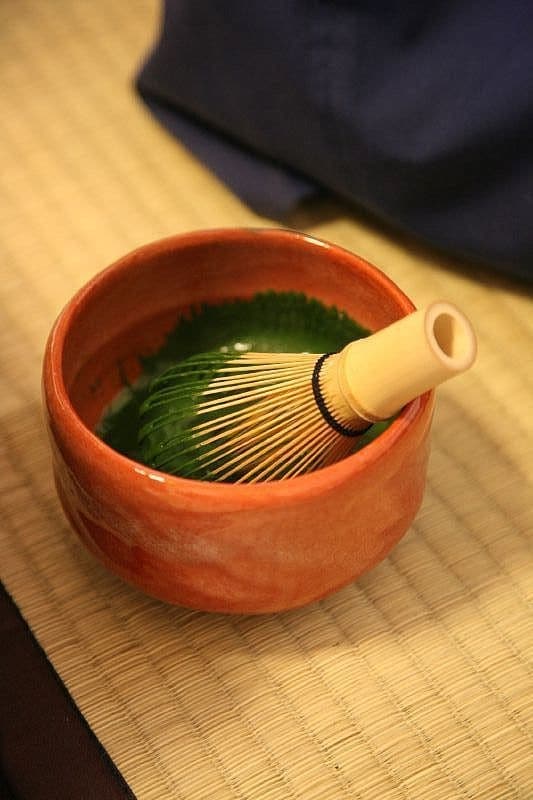
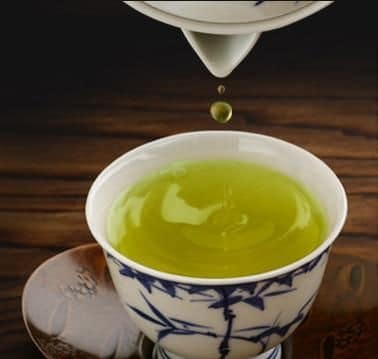
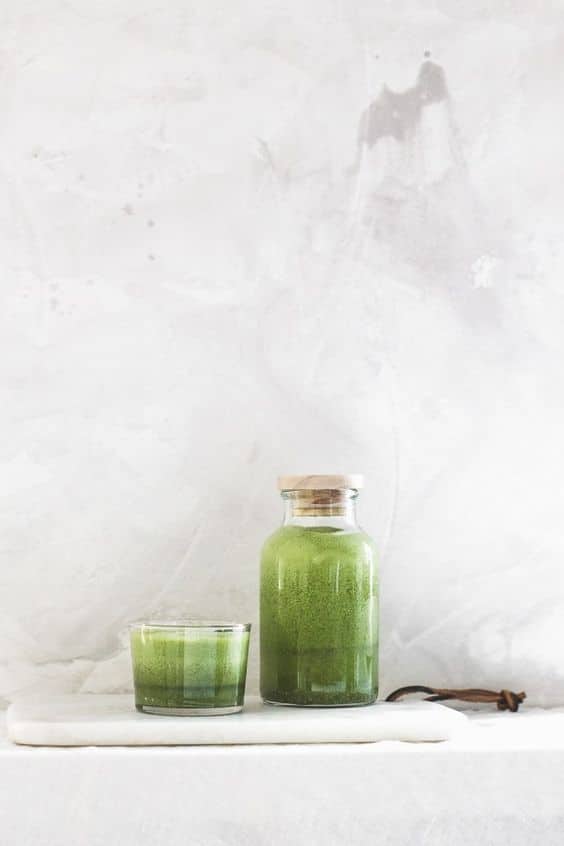
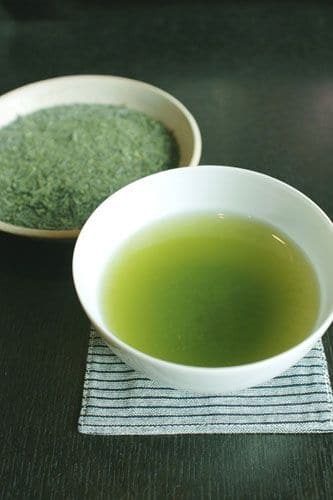
Hot Matcha  Cold Matcha

However, even when drinking green tea straight, some people believe that drinking iced green tea is not beneficial and can actually harm the body. This is because iced green tea causes the formation of toxins that are a cause of cancer. Furthermore, iced green tea causes fat in the body to build up along blood vessel walls and block the intestinal walls, leading to serious diseases such as coronary artery disease, colon cancer, and atherosclerosis. However , there is no clear research evidence to confirm whether iced green tea actually has such harmful effects.

Some people say that if you drink it cold with ice mixed in, the cold from the ice will dilute the effectiveness of the green tea along with the ice. Instead of getting the full benefit, you will receive less benefit. But for anyone who wants to drink green tea cold, you can do so. Just drink the tea you brewed yourself and refrigerate it. Just don’t add ice to mix it in. And to keep the antioxidants from the green tea still available.
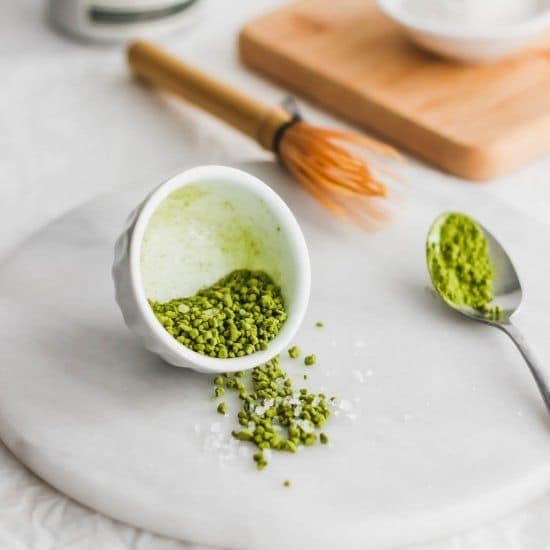
On the other hand, there is a controversial hypothesis that drinking hot green tea can help prevent cancer because the tea leaves contain antioxidants. However, no definitive research has been conducted. Some believe that drinking hot green tea increases the risk of esophageal cancer. Although no definitive conclusions have been reached, green tea lovers should drink tea in moderation and properly to maximize its nutritional value.

For those who enjoy drinking hot tea, the important beneficial substances, catechins, are almost completely destroyed by heat, leaving only the aroma and flavor. If you want to reap the health benefits but still enjoy hot tea, you should drink strong tea, just like the Teochew Chinese who like to brew strong Chinese tea in tiny teacups, similar to drinking expresso coffee. The concentration of the tea leaves will result in a concentrated amount of catechins. And although some of these substances will break down when exposed to heat from hot water, some will still remain that may provide health benefits.
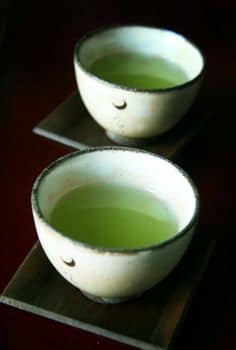
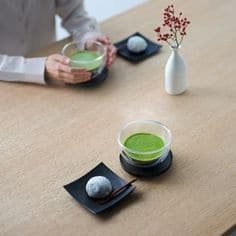
Hot Matcha

There is also research that shows that drinking hot tea during hot weather helps you feel cooler than iced tea because you sweat more, which helps dissipate heat. If you drink iced green tea during hot weather, the iced tea you drink will lose its coolness as it passes through your organs if you drink too much.

Although there’s no clear research to support the health benefits of drinking iced green tea or hot green tea, it’s generally accepted that we’ll receive the most antioxidants when drinking hot tea, especially tea brewed at 70-78 degrees Celsius for 2-4 minutes. Approximately 20% of antioxidants are lost if exposed to heat for extended periods. Consuming too much daily can lead to constipation, and drinking it after meals prevents the caffeine from causing stomach acid.
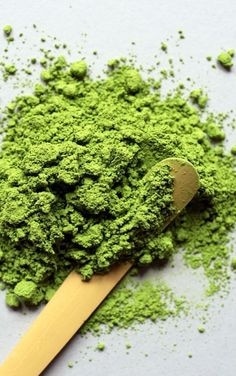
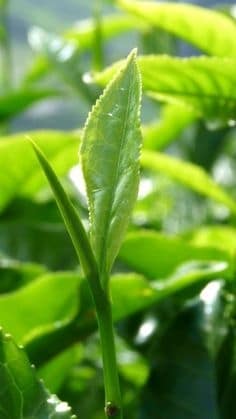
Source

shorturl.at/jtwDM

https://www.dotfit.com/content-35820.html

DIY Beauty and Natural Skincare Recipes, Essential Oils, Non-Toxic Lifestyle & More

Article from: Fuwafuwa
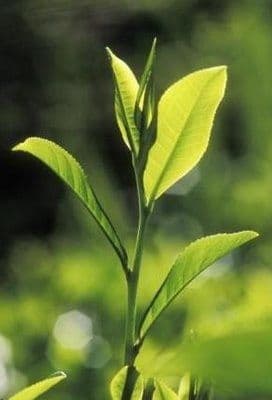
Does the size of tea leaves affect the quality of tea?

The tea leaves we brew and drink every day actually come in many different grades, depending on the different methods used to produce and harvest the leaves. There are many different types to choose from. Therefore, to control the quality of tea, tea leaves are graded based on the quality of the leaves produced at each factory or tea plantation. There are three grades:

Tea leaf size Tea leaf size

  1. Whole Tea leaf grades: Generally, whole leaf tea is considered good quality tea. It is divided into 4 sub-grades: young leaves , which are the young top leaves of the whole leaf tea and are considered the best tea. The first pair of leaves is a lower grade, with a slightly larger leaf size. Pekoe, this grade of tea has thick and twisted leaves. Pure Souchong has large, rather tough and coarse leaves. When producing, the machine will mold the tea leaves into round balls. When brewing, these tea balls will expand to clearly show the leaf shape.
  1. Broken Tea Leaf is tea leaves that have not been graded according to the first four steps. Manufacturers will then process the remaining tea leaves, fermenting and roasting them according to each factory’s methods. It is tea left over from the grading process by cutting the remaining leaves into small pieces and then adding flavoring to the next step. The properties of powdered tea are that when brewed with hot water, the color is released very quickly, making it popular with tea drinkers. The smell, color, and taste depend on the manufacturer, so the price is suitable for the general public.

Fine Leaf Teas

  1. Fine Leaf Teas are the tea that is left over from grading. The remaining scraps are cut into small pieces and then processed for further production. The characteristics of fine leaf tea are that when brewed with hot water, the color is released very quickly, making it popular with drinkers. The smell, color, and taste depend on the manufacturer. The price is reasonable for the general public.

As you can see, the size of the tea leaves and the flavor quality of the tea leaves are not solely determined by their size. They also depend on the characteristics of the tea leaves, such as their tip or the part of the tea plant they belong to. Larger tea leaves do not necessarily mean better flavor. Even tea leaves, considered the highest quality, may experience a drop in flavor if they pass through the hands of a poor tea producer. This is because leaf size does not distinguish quality or nutrients. Larger leaves produce tea with a lower concentration due to the greater surface area they have when exposed to water, which reduces extraction efficiency .

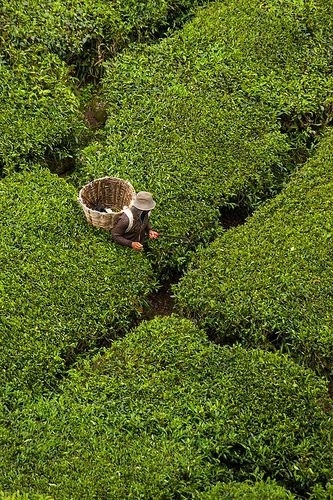
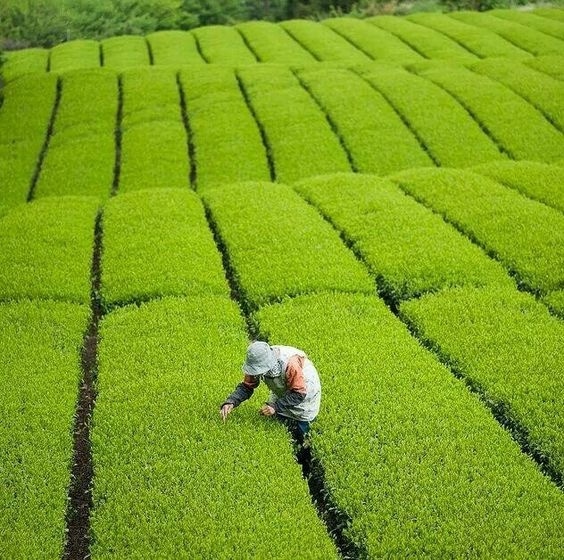
Tea harvesting

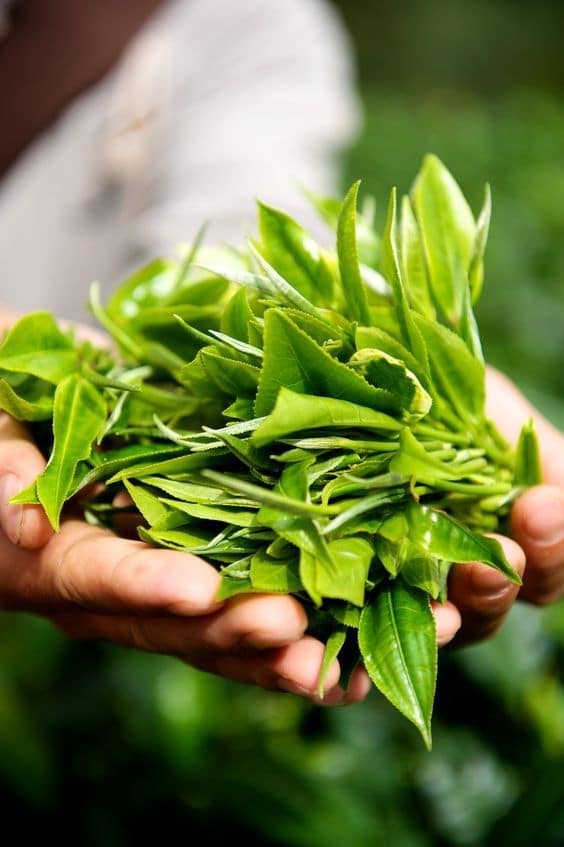
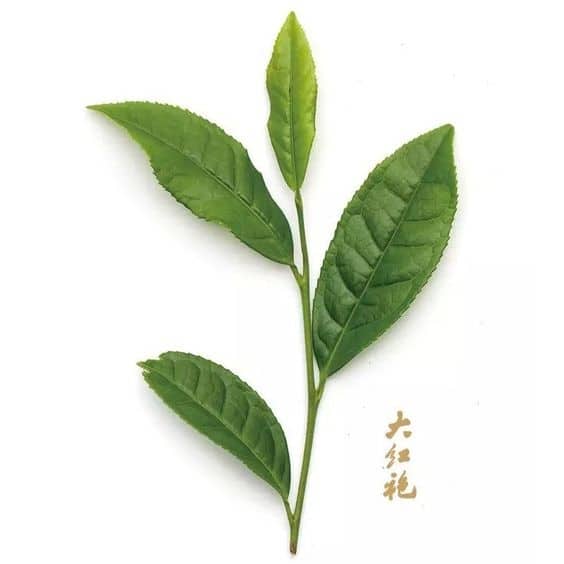
The key point is tea harvesting. This is crucial because producing high-quality tea begins with fresh, high-quality tea leaves, which are those collected from the buds, consisting of one bud and two leaves. Tea harvesting begins in March and continues until November, with an average harvest every 10 days. The ideal time to harvest tea buds is between 5:00 AM and 2:00 PM. Tea buds should not be packed tightly in baskets or bags as this can damage the buds and damage the quality of the tea leaves due to the heat generated by the leaves’ respiration. After harvesting, they should be sent to the factory within 3-4 hours.

How to store tea leaves: Tea leaves must be stored carefully to preserve their aroma, color, and flavor. The container used to hold the tea leaves must be dry and odorless, with no air allowed. Important factors affecting the quality of tea leaves are humidity, temperature, and aroma. If the production process and storage are not up to standard, the size of the tea leaves, whether small or large, or whether they are collected from the buds, will cause the tea to deteriorate.

How to preserve tea leaves

Source

https://www.pinterest.com/pin/491596115580846654/

http://www.taotealeaf.com/da-hong-pao-oolong-tea-premium/

Article: Fuwafuwa

The difference between “teapots”

Tea plays a role in various rituals and social activities. In many cultures, tea is not only brewed for its taste, but is also an expression of aesthetic art. Therefore, when choosing a teapot, one may forget to consider its practical use.

When choosing a teapot, some people choose based solely on its beauty and ease of use. But in reality, we need to consider whether the pot will be used for brewing loose leaf tea or tea bags, or simply for pouring hot water into a teacup for whisking matcha powder. Beyond its intended purpose, teapots can be made from a variety of materials, including stone, clay, glass, cast iron, silver, and stainless steel. Each material affects the flavor of the tea and is suited to different types of tea.

teapot  teapot

If you want to brew loose leaf tea , it is important to check the strainer that comes with the teapot. Otherwise, tea leaves may leak out when pouring, ruining the taste of the tea.

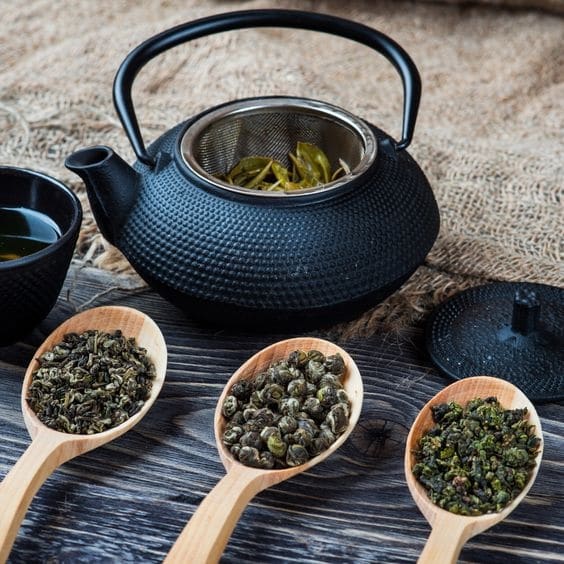
If it’s a “porcelain” teapot, it’s a high-quality, opaque white pottery fired at high temperatures. Porcelain teapots are good for mild teas such as green tea, oolong tea, and light black tea, as well as Darjeeling tea. If it’s a “cast iron” teapot, cast iron is used to make vessels for boiling water over a fire because the iron heats up quickly and retains heat well once the desired temperature is reached. The use of iron teapots for casting tea pots arose around the time that sencha began to gain popularity in Japan.

Cast iron teapots have similar properties to unglazed clay teapots in that they absorb some of the tea’s flavors, so cast iron teapots should not be washed with dishwashing liquid and should be thoroughly dried to prevent rust.

Another common type of teapot is the “ glass” teapot. This material is not ideal for teapots because it has poor heat retention, is easily soiled, and is fragile. It is ideal for brewing beautiful teas, especially blooming teas, where you can see the leaves unfolding beautifully. You also know if your tea is strong enough, and glass teapots often come with a warmer that you can place a candle in the bottom to keep the tea warm.

“Clay” teapots: The higher the temperature, the stronger the pottery will be. This type of teapot will retain heat better than other types. Naturally, unglazed pottery made from porous clay allows the tea to better absorb the aroma and flavor of the tea in the pot. However, a tip for using unglazed pottery is to avoid using dishwashing liquid because it will absorb the flavor of the dishwashing liquid. Rinse with cold water to make sure no tea leaves remain and let it dry.

teapot teapot

The teapots used in Japanese tea ceremonies are chosen to reflect the time of year or occasion. The design of the teapot and other tea accessories symbolizes the changing seasons from spring to autumn.

However, making delicious tea doesn’t depend solely on the teapot. A good teapot should be lightweight, retain heat, and drip-free when pouring. When tilting the pot back, the water must stop immediately, preventing the table from dripping. The lid must be secure enough so that when pouring tea, the lid doesn’t fall off. Some ceramic teapots are very heavy, making it difficult to control the amount of water poured out. They also don’t retain heat.

The temperature of the hot water is very important when brewing tea. You should choose the right one for each type of tea. For white tea or green tea that requires freshness, you should use hot water around 85 degrees Celsius, for oolong tea around 90 degrees Celsius, for red tea or puerh tea around 100 degrees Celsius.

teapot

Another essential tip is to preheat the tea brewing equipment by scalding it with hot water. This is a small detail that shouldn’t be overlooked. Even if the water has been boiled to the right temperature for brewing tea, if the teapot and cups are still cold, the temperature will drop when hot water is poured in, preventing the tea from fully extracting its flavor.

Source

https://www.pinterest.com/pin/337066353331099228/

Article from: Fuwafuwa
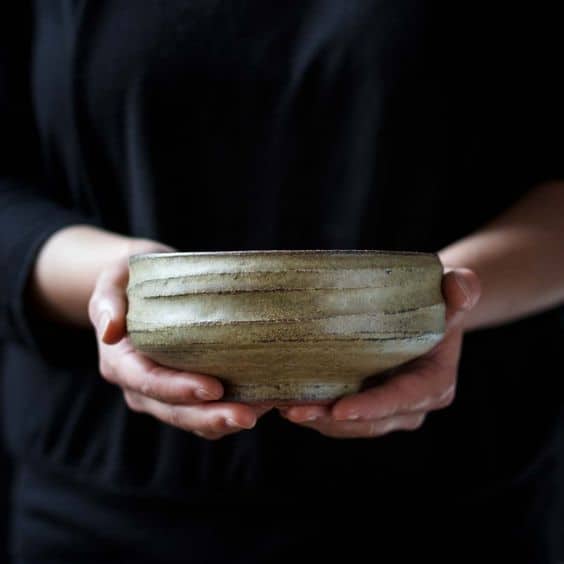
“Green tea” is a gift for every festival for Japanese people.

Japanese people often bring small gifts to give to each other no matter the occasion. For example, when traveling to another place or even on a small trip, it is common to buy souvenirs, or in Japanese, what is called “omiyage”. Souvenirs can be cute packages of cookies, chocolate, green tea, or various Japanese sweets.

Omiyake

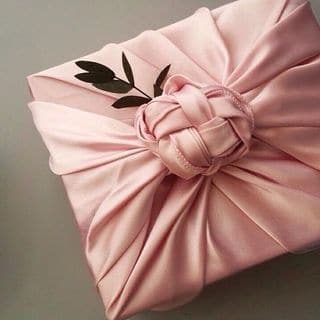
Not only buying souvenirs from traveling, but giving gifts to each other is a deeply rooted culture of Japanese people, such as New Year’s Day, marriage, childbirth, etc., in which “tea” is considered a very popular gift. Giving green tea to each other will have different meanings depending on the occasion, whether it is to express congratulations, greetings or express gratitude because “tea” is something that Japanese people drink every day anyway. In addition to being good for health, it gives a sense of quality and value. Giving it as a gift set or wrapped in furoshiki cloth increases its value to become a tea set that the recipient will definitely like. Another reason why tea is popular as a gift is because it can be stored for a long time and is not too small or too big, suitable for people of all ages. Tea also has a good and auspicious meaning that many people may not know, such as:

Chameao (tea cup)

  • The word 茶寿 (cha-myō ) is also spelled with the character 茶, which means tea. In Japanese, cha-myō means “congratulations on your 108th birthday.” Therefore, giving tea as a gift is considered a wish for good health and long life.
  • At some Japanese weddings, such as in the Kyushu region, including Niigata and Fukushima prefectures , a “tea set” is given as a gift for engagement. Because the tea plant has a long life and is deeply rooted in the soil, it is difficult to pull it out and plant it again, symbolizing “the bride’s marriage only once and her commitment to her partner for life.”

Tea set Tea set

  • On New Year’s Day in Japan, there is a custom of drinking Daifukucha (大福茶) , a tea that is drunk to pray for safety from disasters and illnesses in the year. In particular, in Kyoto, it stems from the past when priests gave tea to infected patients to drink, and their symptoms eventually recovered. Eating an Osechi (おせち料理) set meal on New Year’s Day, along with drinking Daifukucha with dried plums and kombu kelp, is a long-held tradition.
  • The word medetai (めでたい), which means “joy” in Japanese, sounds similar to the word medetai (芽出たい), which means “to sprout (tea shoots)”. Therefore, giving tea as a gift is considered an auspicious gift that the Japanese believe means expressing their congratulations to the recipient.

Medetai (めでたい)

However, some texts say that tea is a drink that Japan adopted from China along with Buddhism, and so it has an image associated with Buddhist ceremonies, most often funeral ceremonies, so tea should be avoided as a gift. However, nowadays, this belief has disappeared, and there is a growing popularity of giving shincha (新茶) , the first tea of the season made from the first young leaves picked, as a seasonal gift.

Shincha (new tea)

In addition to the auspicious occasions when we give tea as a gift, there are other tea drinking cultures that Japanese people drink, such as:

  • Sakurayu (桜湯) is made by brewing hot water with cherry blossom petals seasoned with salt instead of green tea. It is popularly drunk on auspicious occasions, paired with Higashi, a small, dry sweet with beautiful patterns and colors, similar to our local Ping cookies.
  • In summer, it is popular to drink mugicha (麦茶), a cold barley tea that is refreshing.
  • When serving as a guest reception, it is common to serve gyokuro (玉露) or sencha (煎茶) together with wagashi.
  • But in daily life, people like to drink Hojicha (ほうじ茶), Bancha (番茶), and Genmaicha (玄米茶) together with sembei crackers.

Choose the right type of tea for the right occasion. Giving a gift of tea will make the recipient even more impressed.

Source

https://www.hibiki-an.com/index.php/cPath/26

https://www.ooigawachaen.co.jp/blog/2015/12/16/249

https://www.alfemminile.com/none/none-s4002149.html

Article from: Fuwafuwa
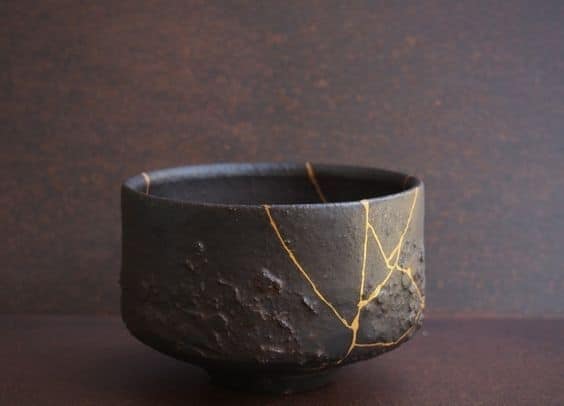
Japanese philosophy that contains ideas from tea cups

Have you ever noticed that Japanese tea cups differ quite a bit in appearance from European tea cups? Japanese tea cups are not 100% smooth. Most are hand-made, with some roughness and colorful patterns that look like craftwork. Some, if you look closely, you’ll see that they’re actually broken cups, but have been smoothed out with gold, looking like they’re part of the teacup’s design. This method is called Kintsugi.

Kintsugi

Kintsugi has a long history. In the 15th century, a Japanese shogun named Ashikaga Yoshimasa sent a damaged teacup to China for repair. It was returned with an ugly iron seam. The shogun had to find a better way to repair the broken thing. His craftsmen looked for an elegant way to reattach the pottery using a gold-plated lac. This technique, a beautiful joint that has been talked about throughout history, quickly became popular. Many collectors were so fond of this technique that they willingly smashed their precious pottery so they could repair it using Kintsugi. Naturally, the ceramic became more exquisite with every repair. Another way to repair chipped vessels using Kintsugi is because the Japanese believe that broken cups should not be thrown away, but should be repaired with gold lacquer to bring them back to life. Just like how everyone in our lives cannot escape emotional pain, such as the loss of a loved one or something dear to them, facing a serious illness or an accident that affects their life, or even lingering pain from the past. These emotional wounds need to be healed and remedied. Therefore, Kintsugi philosophy is applied to repair these deep and lingering emotional wounds so that we can return to life happier, stronger, and more understanding of others who are still hurting.

Kintsugi , a Japanese philosophy that embodies the idea that no life is perfect, is about making yourself aware of your own brokenness and fragility. This builds strength from the inside out, allowing you to be more positive than you are. Because repairing a broken cup with care and love allows us to understand that we should accept and respect the cracks and scars, the weaknesses and imperfections in ourselves and others, in order to find true happiness in life.

Wabi-sabi

However, a kintsugi-treated teacup, while still usable, is still a broken one, not a perfect one. Rather, it’s the simplicity of not having to struggle to find a new one, but rather being willing to use a wrinkled teacup that’s been eroded by time. This is another philosophy of life that has long been deeply rooted in the Japanese psyche: a simple, humble aesthetic that doesn’t cling to perfection, willingly appreciating the wrinkles and decay of all things that decay over time. This concept is called wabi-sabi” (侘寂).

Wabi-sabi” (侘寂) is a concept that has been adapted and incorporated into loft, industrial, rustic, and minimalist interiors. This is easily observed in the tea cups we see Japanese people use. The unsmoothed rim of the cup allows the lips to feel its rough surface. Tea cups, on the other hand, are not sleek and elegant. Instead, they embody aesthetics that aim to evoke a sense of calm and simplicity in the mind of the tea drinker, demonstrating the essence of ” Wabi-sabi.”

Wabi Sabi

The concept of the teacup arose during a time when the tea ceremony, influenced by Zen monks, was gaining widespread interest and becoming an integral part of art and philosophy. Chanoyu, or the way of tea, was highly popular among the upper class, warriors, and wealthy merchants. Tea ceremony utensils were imported from overseas and lavishly decorated. Beautiful teacups, in particular, were a sought-after luxury for the upper class and wealthy at the time. Between 1585 and 1586, Hideyoshi commissioned Rikyu to build a tea room entirely covered in gold for the arrival of Emperor Ogimachi. Hideyoshi himself served tea in simply blended cups , suggesting that tea was served in unadorned beauty, a true appreciation for beauty beyond appearances. Even imperfections allow for the true taste of tea to be experienced.

Wabi-sabi is also evident in the architecture and craftsmanship associated with the Japanese tea ceremony. These include teahouses, which are isolated from other buildings, small enough to accommodate the activity, and constructed from materials that are not inherently perishable, a hallmark of Japanese architecture, such as wooden houses and paper doors. This contrasts with Western modern architecture, which is conceived as perfect, timeless, and impervious to the elements of time.

Next, the rooms in the teahouse are usually designed so that no more than five people can enter at a time. The guest entrance is only 80 centimeters high. Everyone must crawl in on their hands and knees in a single line . The atmosphere is calm and equal, which reduces pride and creates a simple way of living together.

Inside the room are bowls and ceremonial utensils made from natural materials. Each piece bears its own unique traces and patina of time, demonstrating the beauty of imperfection. While these elements are not necessarily bad, when they come together, they can evoke a different perspective, creating an aesthetic approach to life that isn’t always perfect.

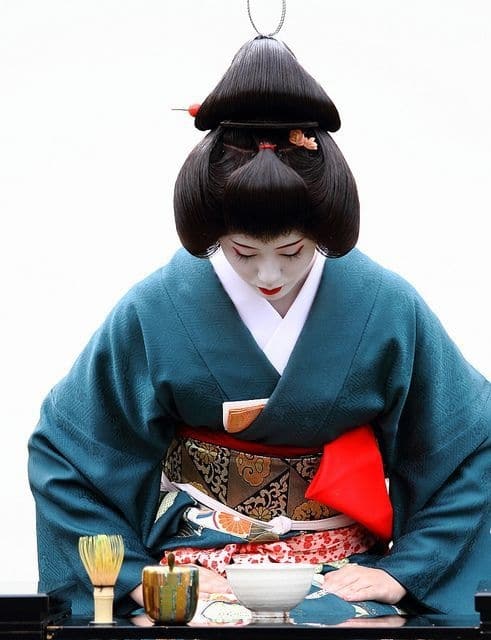
Japanese tea ceremony

Source

https://www.bareo-isyss.com/service/decor-guide/wabi-sabi-decor/

https://www.hibiki-an.com/contents.php/cnID/61

https://www.bareo-isyss.com/service/decor-guide/wabi-sabi-decor/

https://jpninfo.com/thai/11264

https://gaskimishima.wordpress.com

https://etsy.me/2MjfImy

https://themomentum.co/wabi-sabi/

Article from: Fuwafuwa
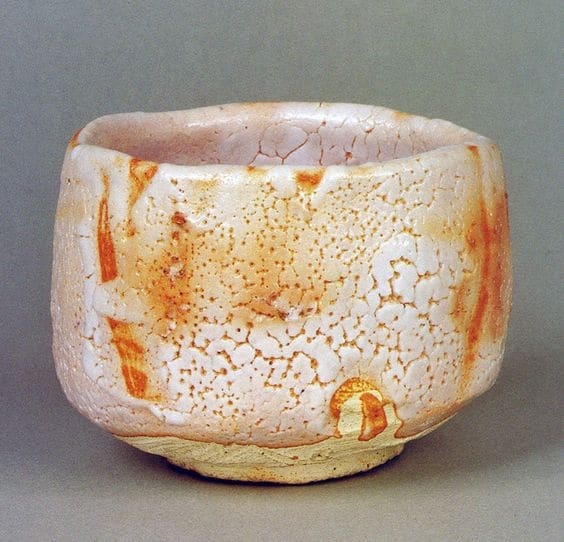
Come learn about the origins of matcha green tea powder.

It is said that green tea was discovered by Emperor Shen Nong, a scholar and herbalist who was very clean. He drank only boiled water. One day, while Shen Nong was resting under a tea tree in the forest and was boiling water, the wind blew the branches, causing the tea leaves to fall into the nearly boiling water. When he tried drinking it, he felt very invigorated. Green tea was gradually developed. Villagers also began to grow and develop tea, adding spices or flowers to create a different aroma and flavor. All tea grown in China is green tea. The production process involves combining tea leaves, steaming them, and drying them. These leaves do not store well, lose their aroma easily, and their taste is not good. In the 17th century, there was trade with Europeans. In order to preserve the quality of tea for a longer time, fermentation was carried out and drying them, which is the origin of oolong tea and black tea in China.

Tea plantation Tea plantation

The introduction of tea to Japan began around the beginning of the Heian period. At that time, China and Japan had already established some contacts regarding Buddhism and culture. Japanese monks traveled as ambassadors to learn about various matters from China, including the study of Chinese herbal medicines. Thus, Chinese tea was first introduced to Japan by monks. It began with a monk from Aichi Prefecture who brought compressed tea (which had to be ground on a stone before being added to hot water to be drunk) and a small amount of tea beans to Japan. When the emperor visited the monks at his temple, the monks brewed a cup of tea and presented it to him. The emperor was so impressed by the taste that he ordered the tea beans to be planted in an herb garden within the imperial palace. Tea spread to the Kinki region (Kyoto), but its popularity remained limited to the upper classes.

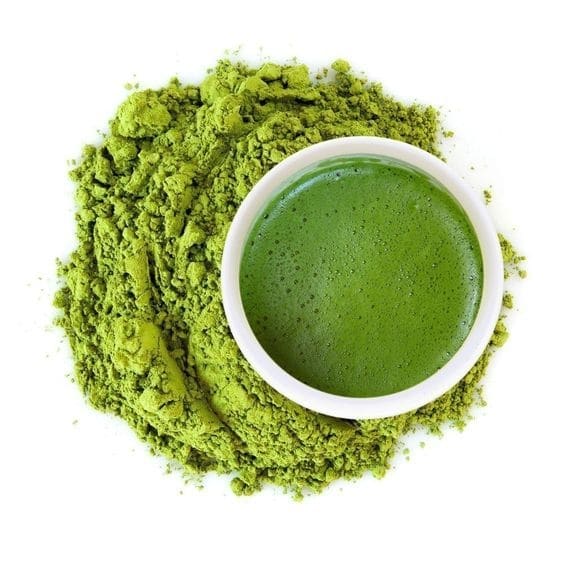
Matcha

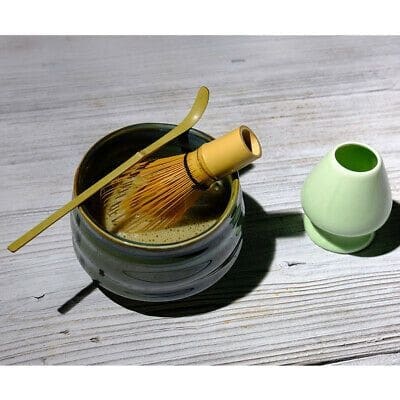
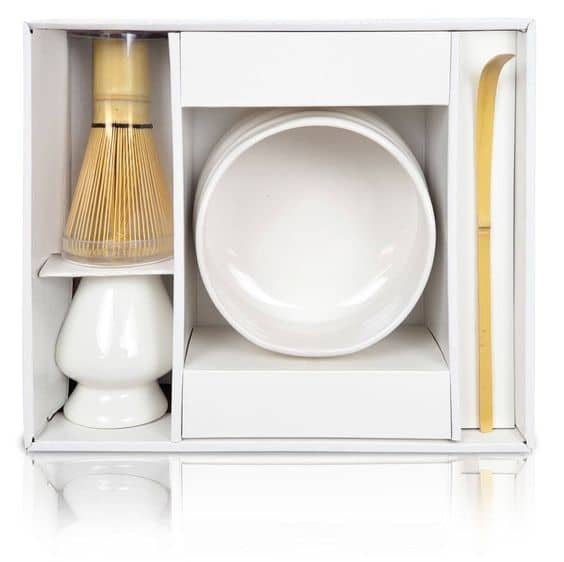
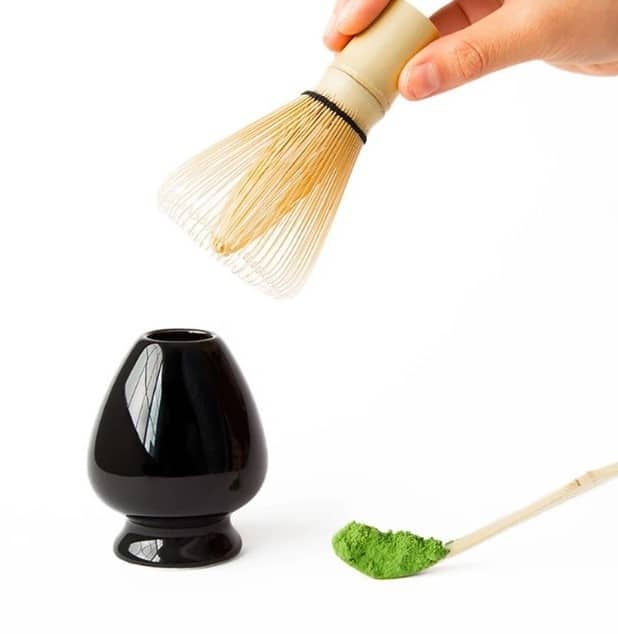
Later, in the early Kamakura period, Zen Buddhist monks brought back a large number of tea beans from China, along with the tea production process. The production method involved grinding the tea leaves in a stone mortar that generated minimal heat to preserve the unique flavor and aroma. This resulted in a fine powder, similar to flour, or what we call matcha powder . Making matcha powder takes a long time to produce a certain amount of tea powder, so the price is higher than other types of green tea. It also has a rather special brewing method, requiring a tea whisk to beat the leaves to dissolve them first.

At that time, tea cultivation was widely promoted for its medicinal use. In one of his books, he wrote, Tea is the foundation of the mind and the best medical tool, making life more fulfilling and complete.” Then, research began on tea’s properties, including its ability to quench thirst, improve digestion, and detoxify by eliminating toxins through urine.

During the Shogunate’s reign, Minamoto Sanemoto, suffering from heavy drinking, tried tea and his condition eventually disappeared. Later, monks began traveling to spread knowledge about tea throughout Japan, and tea became part of certain rituals and used for medicinal purposes.

Matcha History Matcha History

During the Muromachi period, the traditional Japanese tea ceremony, known as Chanoyu, began to be practiced. During this era, tea ceremony began to incorporate ideas, spirituality, and natural artistic creations. Detailed information began to be applied to the vessels used in the tea ceremony, as well as the serving of green tea in restaurants.

Matcha History

Drinking tea with the simple, focused mind of Zen allows the mind to develop completely. Priests therefore designed a small tea room to support the Zen ideals of tea ceremonies. This led to the emergence of the traditional Japanese tea ceremony as we know it today. Although the tea ceremony and tea drinking began to extend to the lower classes during the Edo period, the best tea harvests of the year were first handed down to the samurai class. The tea that the commoners drank was harvested later, and thus of lower quality. Later, as the tradition spread and social class divisions eased, the tea ceremony tradition has remained widespread to this day. In addition to training in meditation, the tea ceremony helps to calm the mind and allow one to be more present and inner-worldly. Some Japanese schools even teach the tea ceremony to Japanese children.

Source

http://fineartamerica.com/featured/oolong-tea-bud-jung-pang-wu.html

https://moyamatcha.com/en/moya-matcha/history-of-matcha/#

http://d.hatena.ne.jp/keibunsha2/20110508

https://www.pinterest.com/pin/339951471845392656/

https://www.flickr.com/photos/aligatorpics/6240407574/in/photostream/

http://japan-web-magazine.com/japanese-tea/japan-japanese-tea-ceremony0.html

https://traditional-japan.tumblr.com/image/153431720372

shorturl.at/brstQ

Article from: Fuwafuwa
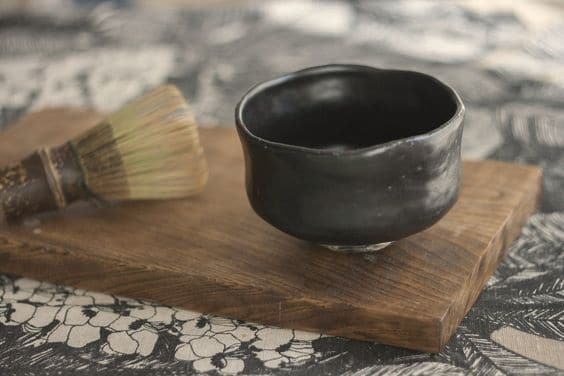
Tea and coffee are popular drinks.

When talking about beverages that are popular all over the world, tea and coffee are probably the most popular. This can be seen from consumer behavior that these two beverages are becoming more and more popular. No matter where you go, there are tea or coffee shops everywhere. Of course, both tea and coffee contain caffeine. After drinking tea or coffee, you will feel alert due to the caffeine and feel thirsty because your body will try to get rid of the high caffeine content. If we compare the amount of caffeine in a cup of tea and coffee , coffee will contain 90-170 milligrams of caffeine, while tea will contain 25-70 milligrams. It can be seen that the amount in tea is much less. Therefore, people who are looking for a healthy option might choose tea as their first choice.

Although there’s no clear conclusion as to which is better: tea or coffee, in reality, both types have their own advantages and disadvantages, depending on individual drinking habits. Drinking in the right proportions can be beneficial to the body, but drinking large amounts over a long period of time can increase the risk of various diseases, such as esophageal cancer caused by tea drinking and osteoporosis caused by coffee drinking.

coffee

However, tea and coffee also have other benefits for the body. For example, when you have a cold, coffee is the one to drink. After drinking it for just 10 minutes, the caffeine in coffee increases your heart rate and blood pressure. Furthermore, things mixed in coffee, such as milk and sugar, also turn into energy that warms the body. In addition, the benefits of drinking coffee include reducing the risk of Alzheimer’s disease, reducing migraine headaches, and reducing the risk of gout in men. And if drunk in the right amount, it can reduce the risk of heart disease. In addition, coffee contains more potassium and phosphorus than tea, which helps nourish bones.

The charm of coffee that coffee lovers love is that the aroma of roasted coffee reacts with proteins in the brain that are related to stress, especially stress caused by insomnia. Just smelling coffee will make you feel relaxed.

A word of caution when drinking coffee : Coffee contains a higher amount of caffeine than tea. Drinking too much, more than 3-4 cups per day, or 400 milligrams, can cause rapid or irregular heartbeats, anxiety, and insomnia. It can also cause yellowing of the teeth. Drinking more than 8 cups of coffee per day, which is considered excessive, can increase the risk of miscarriage. Coffee also reduces blood flow to the heart.

Drinking coffee on an empty stomach can intensify your caffeine response and increase the risk of stomach irritation. This means that unless you want to avoid the risk of gastritis or heart palpitations, you should avoid it.

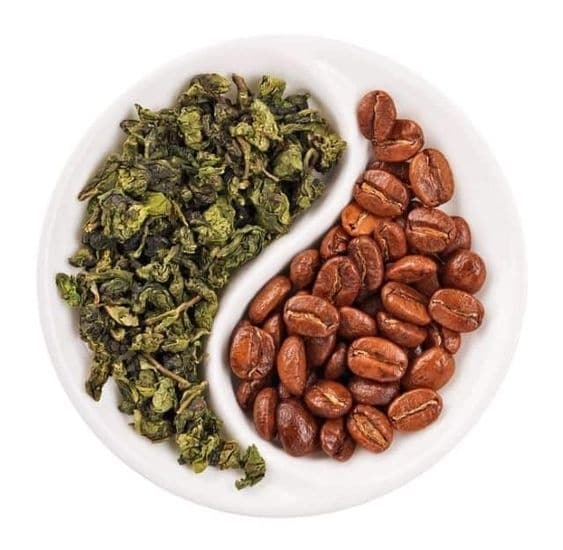
Tea or Coffee

On the other hand, if you want to feel better and relax, tea is the perfect choice. The aroma of tea can help calm and unwind you, such as jasmine tea, fruit tea, or even green tea. Before drinking, inhale the aroma of the hot tea and sip slowly. This will put a smile on your face in the afternoon. Furthermore, tea is high in antioxidants, which can help fight cancer. It also helps prevent cancer and nourishes the skin, preventing aging. Drinking tea four times a day for six weeks can reduce stress hormone levels. Furthermore, tea can reduce the risk of esophageal cancer in women by up to 60%. Tea can stimulate the nervous system, improve blood circulation, and help the body function normally. It prevents excess fat from accumulating in the body and reduces symptoms of Alzheimer’s disease, just like coffee. It can also enhance the effectiveness of migraine medications.

However, drinking too much tea can lead to osteoporosis. Tea also contains a high amount of tannins, which can reduce iron absorption and increase the risk of anemia. Drinking too much hot tea can also increase the risk of esophageal cancer.

Different types of tea have different amounts of caffeine. Black tea has the highest caffeine content, averaging 23-110 milligrams, followed by oolong tea with 12-55 milligrams, green tea with 8-36 milligrams, and white tea with only 6-25 milligrams.

Tea

As you can see, both tea and coffee have both benefits and drawbacks if consumed in excessive amounts. Therefore, choosing the right amount is crucial. Health-conscious individuals tend to prefer tea over coffee, as it also contains other important substances, such as tannins and catechins. If you really want to drink tea or coffee, brewing it yourself is recommended. This is even better for your health, as you can control the amount of milk, sugar, and cream you add, which can contribute to obesity.

Source

https://www.sweetrevolution.co.uk/

https://www.pinterest.com/pin/841962092818083327/

Article from : Fuwafuwa

The distinct aroma of “Genmaicha”

When it comes to Japanese green tea, many people probably think of “matcha” first. This is because “matcha” is a high-quality green tea commonly used in tea ceremonies by the Japanese upper class. The process involves meticulously grinding the young tea leaves to achieve a well-rounded flavor. Another type of green tea that people around the world enjoy most is “sencha,” a refreshing and easy-to-drink green tea. However, there is another type of green tea that is becoming increasingly popular due to its distinct aroma, “genmaicha.”

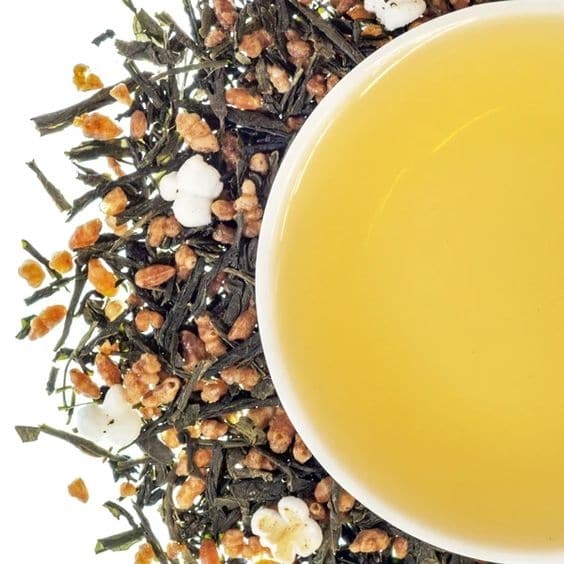
genmaicha genmaicha

Genmaicha (玄米茶: Genmaicha) is a beverage that contains very little caffeine, less than other types of green tea. Therefore, it can be drunk anywhere, anytime, and by people of all ages. It is also inexpensive and easy to make.

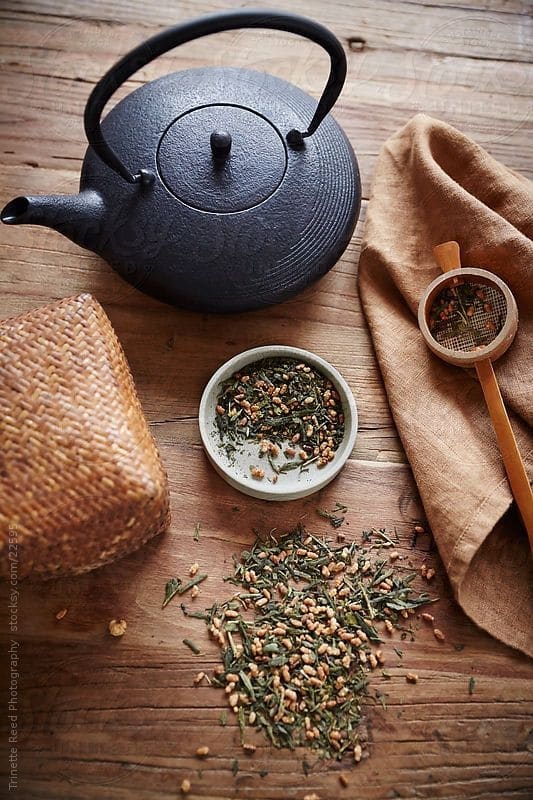
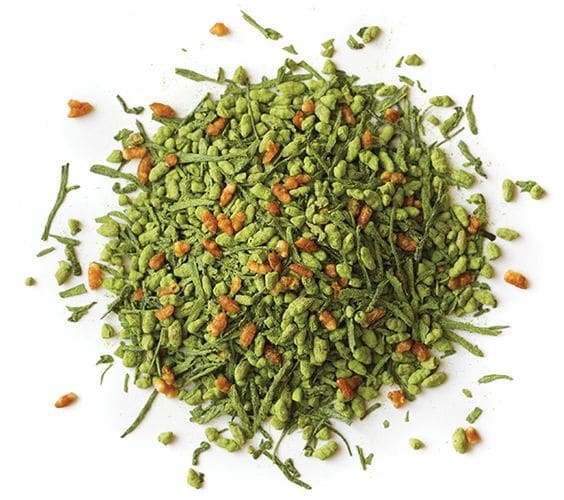
Another obvious difference from Genmaicha is the aroma that comes from blending the tea with roasted rice. This can be seen from the color of the tea leaves, which are not brown like 100% roasted rice, and not as green as regular green tea leaves. Instead, they are golden yellow, resulting from the roasted rice used in Genmaicha. This rice is carefully selected from the finest Japanese varieties and roasted at the right temperature. It is then dried and baked with the tea leaves in a 1:1 ratio, resulting in a tea with a unique aroma that cannot be found in other types of green tea. With a mild astringency and slightly sweet flavor, drinking Genmaicha with other menu items is a great combination.

The good taste of Genmaicha is partly due to the quality of the rice rather than the quality of the tea leaves. When roasting brown rice, be careful not to let it burst, like popcorn, which is called “popped rice.” If it bursts too much, the delicious quality of the tea will decrease when mixed with green tea.

As for nutritional value, it’s just as rich as other types of green tea. Genmaicha contains antioxidants that help strengthen the immune system, balance blood pressure, and reduce the risk of cancer and heart disease.

genmaicha

Some traditions say that Genmaicha originated with a Japanese tea merchant before World War II. He felt sorry for the rice he had offered to his ancestors, so he roasted it and mixed it with tea. Other traditions say it originated in Kyoto, where a wealthy and creative green tea merchant combined various ingredients with green tea leaves to create a unique, premium blend. One day, the merchant was having fun, so he experimented with roasted rice and green tea leaves to brew and drink, resulting in Genmaicha with both a unique aroma and flavor.

Tea made by mixing green tea leaves with brown rice. The brown rice is steamed and stir-fried until it turns a light brown color. It is mixed with tea leaves in a ratio of 1 to 1. This is the main reason why when we drink “Genmaicha” (玄米茶: Genmaicha) or “roasted brown rice tea”, we will get a fragrance that is unlike any other type of green tea. Actually, “Genmaicha” is a normal, inexpensive tea. When brewing, it must be brewed with 100 degree Celsius hot water for only 30 seconds because if it is steeped for too long, the tea will start to taste bitter and difficult to drink.

For this type of green tea, it is recommended to use hot water with a temperature of around 80–85 ° C and boil the tea for about 3–5 minutes. Boiling longer than this will make the tea taste more astringent.

genmaicha

Source

https://www.rishi-tea.com/product/gram-tin-genmai-matcha-organic-japanese-green-tea-blend/loose-leaf-tea

http://www.stocksy.com/22595

https://www.teasource.com/products/genmaicha-green-tea-blend

The distinct aroma of “Genmaicha” Article from: Fuwafuwa
Is a Chashaku (茶杓) Bamboo Spoon Really Necessary?

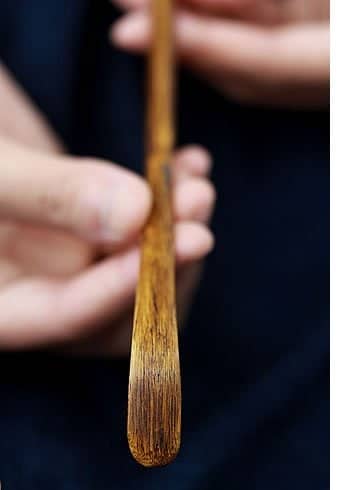
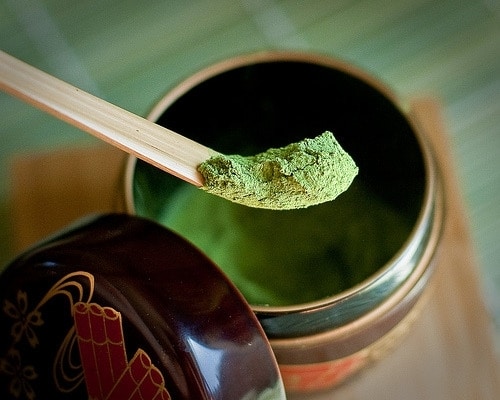
The matcha powder scoop, or Chashaku (茶杓), originated in the past when green tea from China was introduced to Japan. Japanese people used ivory tea scoops imported from China. However, in recent times, bent bamboo tea scoops have also begun to appear. It is believed that the person who invented the current shape of the Chashaku was Murata Juko, the first person to develop the Zen tea ceremony. The reason for choosing bamboo instead of ivory was because they wanted the tea scoop to be simple and not as extravagant as ivory, because the Zen sect has a simple idea based on Zen Buddhism.

ChashakuChashaku

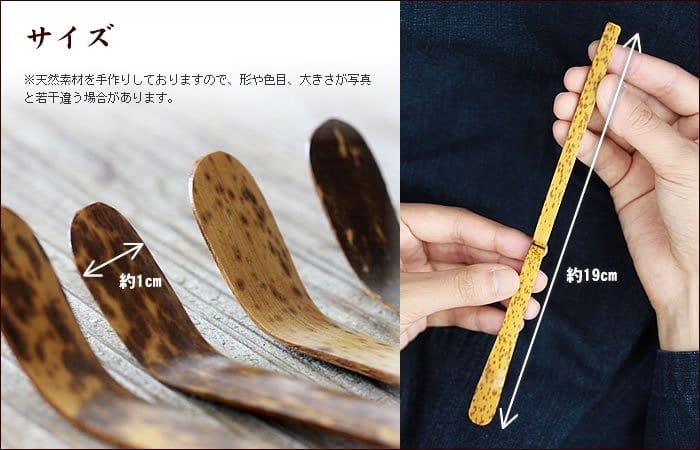
The best features of Chashaku are that they are mostly made of bamboo and have a 1 cm wide spoon tip. In order to scoop the appropriate amount of tea powder, which is about 1 gram, in the tea ceremony, 2 grams of tea are used, meaning scooping the tea with Chashaku 2 times without using a scale. In addition, the handle should be 19 cm long. It is the perfect length for use in the Japanese tea ceremony.

ChashakuChashaku

Scooping green tea powder to make tea can actually use a stainless steel spoon or other types of spoons. It is not necessary to use Chashaku, but you will see that many cafes and Japanese tea ceremonies prefer to use Chashaku because of the properties of bamboo. When it comes into contact with green tea powder, the taste will be consistent. And with the amount of tea that Chashaku can scoop each time, in addition, the bamboo of the Chashaku spoon also keeps the nutritional properties of green tea intact. It is easy to use by using a dry cloth or tissue to wipe the tip of the spoon dry before storing it in a box. It should not be washed with water. And Chashaku also gives a sense of authentic Japan. However, the Chashaku spoon is only for scooping tea powder. It is not for scooping other types of tea leaves.

Chashaku

But nowadays, Chashaku spoons are increasingly made from other materials besides bamboo, following the changing times, such as stainless steel, metal, or other types of hardwood. Metal spoons have a rounded tip, similar to the common teaspoons we use for making desserts. However, you have to choose carefully because sometimes you can scoop up inconsistent amounts of tea.

Source

https://www.edenfoods.com/store/matcha-spoon.html

https://oideyasu.tumblr.com/post/64615700994

https://www.taketora.co.jp/fs/taketora/sa00235

https://www.pinterest.com/pin/353110427034464612/

Article from: Fuwafuwa
Did you know why tea turns sedimentary when it cools?

Have you ever had green tea and had the green tea powder settle to the bottom as sediment?

The sediment you see is actually incompletely dissolved tea powder. This is partly due to poor brewing, as good matcha powder is quite fine and cannot be completely dissolved by hot water using a regular spoon. Instead, you should use a tea brush, also known as a cha-sen, to make the tea easier to dissolve. If your shop doesn’t have a cha-sen, you can try using a shaker or a hand whisk instead, which should help dissolve the tea powder.

Tea sediment

However, some people find that after brewing tea, sedimentation can occur over time. Even commercially packaged green tea is often labeled “may contain natural sediment, which is not harmful to the body.” Therefore, it is quite normal for sediment to escape from a bottle of tea after brewing.Matcha Matcha

The dust particles in tea are a result of precipitation, called ‘tea cream’. This occurs when the tea is cooled below 40 degrees Celsius. Compounds in the tea, such as caffeine and polyphenols, coagulate weakly. If milk is added to the tea, the reaction between the milk proteins and the polyphenols occurs, resulting in more precipitation.

However, mixing tea and freshly brewed water together can also cause the tea leaves to settle at the bottom of the teapot. To minimize contact between the tea leaves and water, it is recommended to stir the tea each time to stimulate the tea and ensure proper dissolution.

In some shops, if the tea doesn’t settle at all, it may be suspicious that the shop isn’t actually using matcha powder. Instead, they might be using green tea syrup, or they might be using pre-mixed tea to shorten the brewing time. This results in a lower price depending on the ingredients used.

In addition to the sediment that often forms at the bottom of the cup, it is sometimes found that tea leaves or dark tea leaves float on top of the brewed tea instead of settling at the bottom. This is the result of high molecular weight components, made up of calcium and bicarbonate ions, at the surface of the water. Normally, tea leaves form in highly concentrated teas. However, consuming less than 1 milligram of tea leaves or sediment in a cup of tea is not harmful to the health of the drinker.

Matcha Matcha

Source

https://japanesegreenteaonline.com/

https://www.stylecraze.com/trending/tea-drinks-for-weight-loss/

http://www.honannchasou.net/shihou_18.html

Article from : Fuwafuwa
Design beverage packaging to appeal to customers.

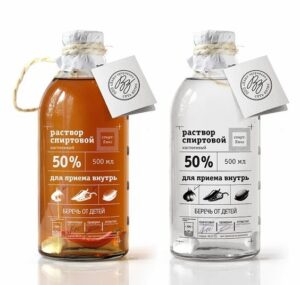
เคยสงสัยมั้ยว่าสินค้าดีมีคุณภาพ บางทีก็อาจจะไม่ดึงดูดใจลูกค้า เพราะในยุคสมัยนี้ Packaging เป็นอีกเรื่องที่ผู้บริโภคให้ความสำคัญไม่แพ้กัน ยิ่งช่วงนี้ผู้บริโภคหันมาสั่งอาหารดิลิเวอรี่กันมากขึ้น ขวดบรรจุชาพร้อมดื่ม ที่ไว้ใส่เครื่องดื่มให้ลูกค้าที่สั่งดิลิเวอรี่ จึงกลายเป็นอีกสิ่งที่ต้องให้ความสำคัญไม่แพ้คุณภาพและรสชาติของชาขวดนั้นๆ

matcha package

สิ่งที่ต้องคำนึงถึงในการออกแบบขวดชาพร้อมดื่ม

1. ขวดชาต้องมีเอกลักษณ์ ง่ายต่อการจดจำจะทำให้สินค้าของเราโดดเด่นออกมาจากสินค้าชนิดเดียวกันที่อยู่ตามท้องตลาด อาจใช้สีในการแบ่งแยกประเภทชา เช่นชาเขียว ขวดสีเขียว ชาโฮจิฉะ ชวดสีเทา ชาอู่หลงขวดสีเหลือง หรือการใช้รูปทรงของฉะเซ็นที่ช่วยให้ลูกค้าจำและนึกถึงชาของที่ร้านได้ง่ายขึ้น เป็นต้น

matcha packaging

2. ขวดต้องเปิดง่าย ใช้งานได้สะดวก หลายครั้งที่บรรจุภัณฑ์มีฟังก์ชันและลูกเล่นที่โดดเด่น น่าสนุก แต่กลับต้องเสียกลุ่มลูกค้าไปเพราะใช้งานยาก ขนส่งแล้วหก ถือแล้วเปื้อนมือ จะทำให้ลูกค้ารู้สึกว่าสินค้าของเรานั้นเป็นภาระนั่นเอง

3. อย่าลืมเรื่องราวของแบรนด์และสินค้าไม่ว่าจะเป็นแนวคิด แรงบันดาลใจ ภูมิหลัง ถือเป็นกิมมิคเล็กๆ ที่จะช่วยสร้างการรับรู้และทำให้ผู้บริโภครู้จักแบรนด์และสินค้าของเราได้ลึกซึ่งยิ่งขึ้นเอาเรื่องราวมาสร้างสรรค์ด้วยกราฟฟิคดีไซน์บางจุด อาจจะเป็นการใช้ไอค่อนเล่าเรื่องราว หรือเป็นการติดแท็กเพิ่มเติมที่ขวด ก็ช่วยให้ลูกค้าอินไปกับสินค้าเราได้มากขึ้น แทนการเขียนทุกอย่างลงบนขวดชา

tea packaging

หลังจากที่คำนึงถึงเรื่องราวนี้แล้ว มาดูในเรื่องของเทรนด์การออกแบบบ้าง

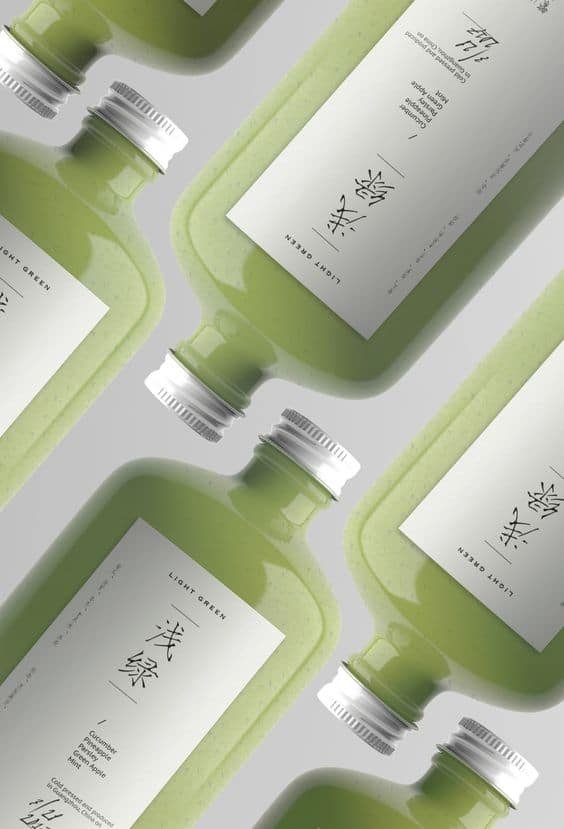
1. Simple or Minimalน้อยแต่มาก เรียบแต่โก้ เป็นหนึ่งเทรนด์การออกแบบบรรจุภัณฑ์มาแรงที่เอาชนะใจลูกค้าได้อย่างดีเยี่ยม เทรนด์นี้เป็นที่นิยมในกลุ่มคาเฟ่ และร้านขนมช่วงนี้ ดีไซน์ที่ขาวสะอาด สีสันสบายตา มีภาพและตัวอักษรน้อยๆ ออกแบบอย่างเรียบง่าย แต่อัปโหลดลงอินสตาแกรมได้อย่างมีสไตล์ สามารถครองใจลูกค้ายุคนี้ได้แน่นอน

green tea package

2. Collaboration เป็นการออกแบบบรรจุภัณฑ์ผ่านการร่วมมือกันของแบรนด์ 2 แบรนด์ โดยการนำโลโก้หรือจุดเด่นของแบรนด์นั้นๆ มารวมกันไว้บนบรรจุภัณฑ์เกิดเป็นดีไซน์ใหม่ที่น่าสนใจ อย่างเช่น การให้นักวาดภาพ illustor ชื่อดัง มาช่วยสร้างสรรค์ผลงานบนขวดชา หรืออย่างที่พบเห็นได้บ่อยในบ้านเราจะเป็ฯ น้องมะม่วง ที่มักจะไปโลดแล่นบนผลิตภัณฑ์ต่างๆนั้นเอง แต่ทั้งนี้ ก็อย่าลืมที่จะเลือกการ Collab ให้เหมาะกับสินค้าของทางร้านด้วย

3. Intelligent Packagingคือการนำเอาความก้าวหน้าทางเทคโนโลยีมาใช้ในการออกแบบ เช่น การใส่ QR code ลงไปเพื่อสแกนดูรายละเอียดของสินค้า หรือการใช้นวัตกรรมใหม่ๆ ที่จะช่วยให้บรรจุภัณฑ์เปลี่ยนสีเมื่ออาหารใกล้ถึงวันหมดอายุ ซึ่งในไทยมีการใช้นวัตกรรมนี้ค่อนข้างน้อย จึงสามารถเพิ่มโอกาสทางการตลาดได้ค่อนข้างสูงเลยทีเดียว

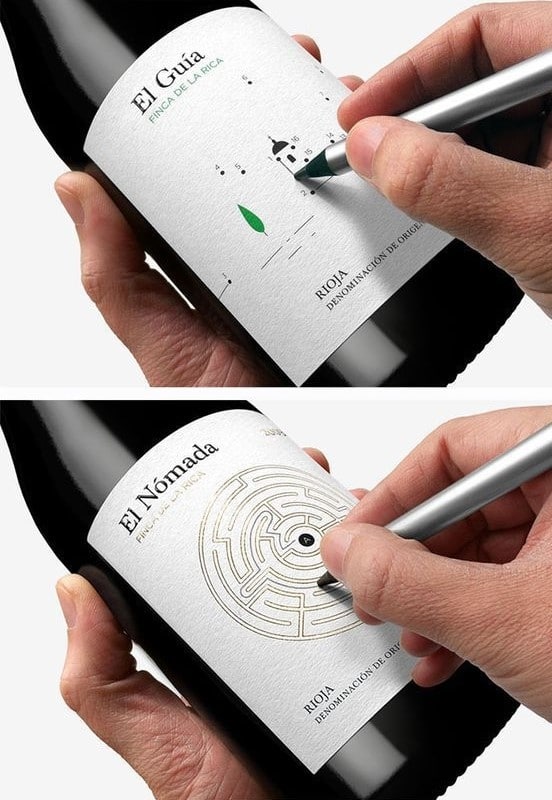
4. Personalized packaging เป็นการให้ลูกค้าออกแบบบรรจุภัณฑ์นั้นๆได้เอง เช่น สามารถเขียนข้อความลงไปได้ หรือวาดรูปลงไปเองได้ เพื่อให้ชาขวดนั้นๆ มีความแตกต่างและแสดงความรู้สึกของลูกค้าคนนั้นๆได้

matcha design package

เพราะการได้ซื้อของที่มีแพคเกจที่สวย เหมาะกับการถ่ายรูปลงโซเชียลนั้น นอกจากจะทำให้สินค้านั้นมี Value มากขึ้นในการที่จะส่งมอบให้คนอื่นๆในเทศกาลต่างๆแล้ว ยังเป็นการบอกต่อของผู้บริโภคด้วยกันเองโดยที่ทางร้านไม่ต้องเสีย Budget ในการทำการตลาดเลย

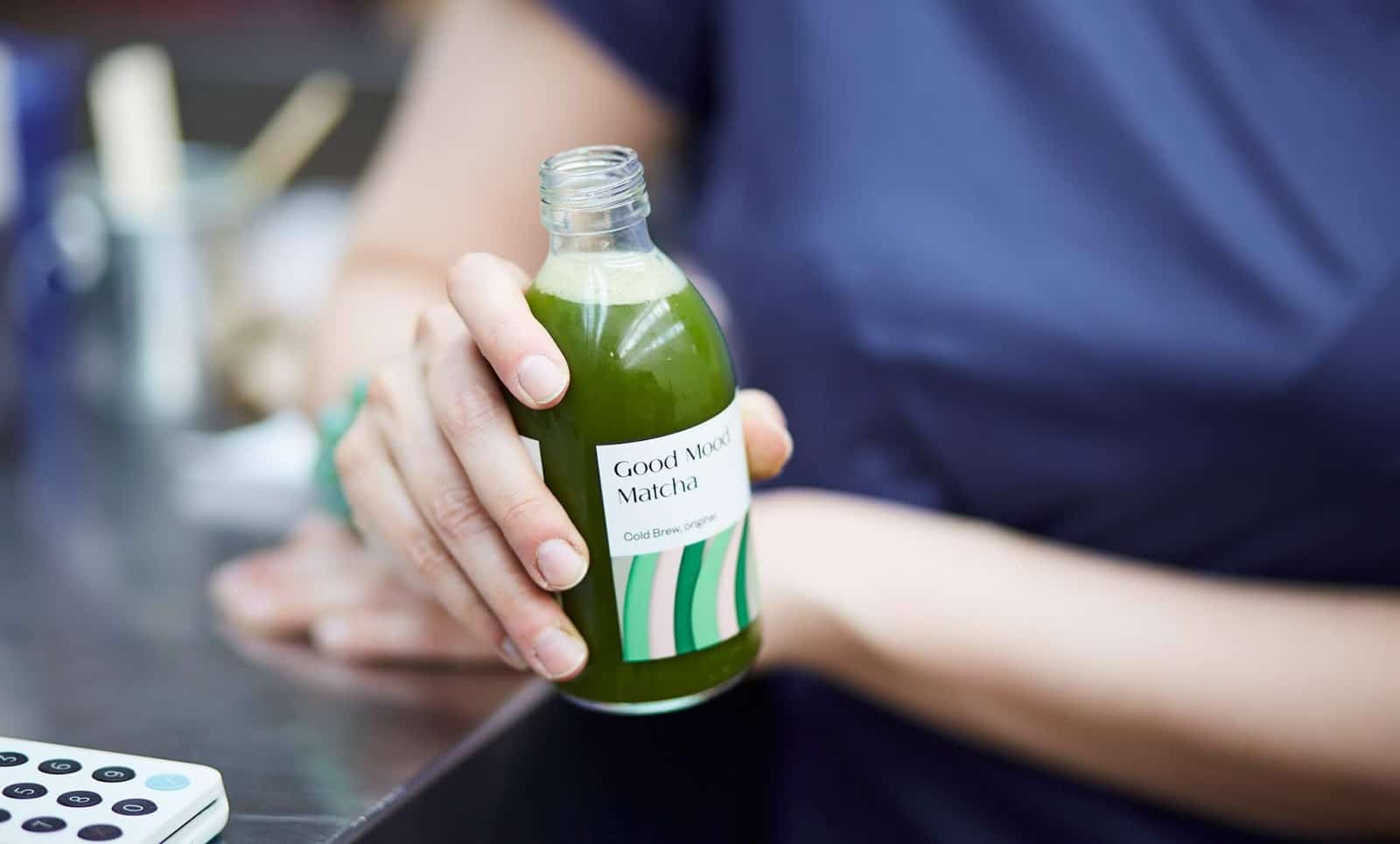
matcha bottle

ที่มา

https://www.pinterest.com/pin/542894930081180183/

https://www.pinterest.com/pin/628955904180276261/

https://www.packagingoftheworld.com

บทความจาก : Fuwafuwa
 

Can tea be made into cold brew?
Many people may be familiar with Cold Brew coffee, which is sweeter than coffee brewed using other methods due to its low acidity. Cold water extracts lower levels of caffeine than hot water. Tea lovers may wonder, can tea be processed in the same way as Cold Brew coffee?

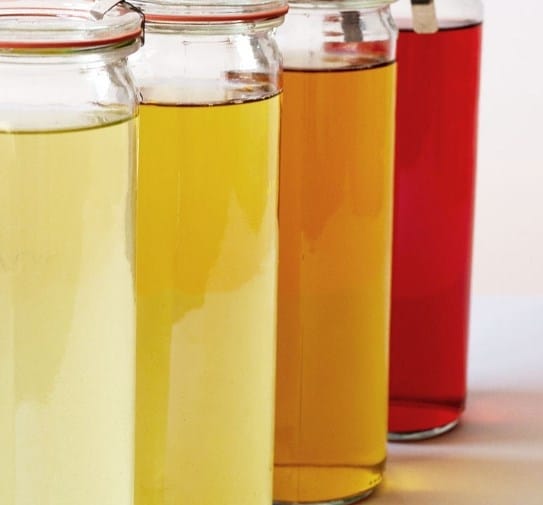
Tea Cold Brew

The principle behind Cold Brew is cold extraction. You can use water at room temperature or cold water (5-15 degrees Celsius). Normally, if we use hot water to make tea, the catechins and caffeine in the tea leaves will come out with the hot water because these two substances dissolve at high temperatures, around 80-90 degrees Celsius and above. These two substances will give a bitter taste. Meanwhile, the umami taste of tea that many people like to enjoy, which is caused by amino acids, will dissolve at temperatures from 60 degrees Celsius and above. Therefore, green teas rich in umami flavor, such as Gyokuro, must be brewed with water at a temperature of 40-60 degrees Celsius.

Therefore, if we steep the tea leaves in cold water, the bitter taste of the tea will be less than when brewed hot. This is suitable for those who like to drink tea with a smooth umami flavor.

Tea Cold Brew Tea Cold Brew

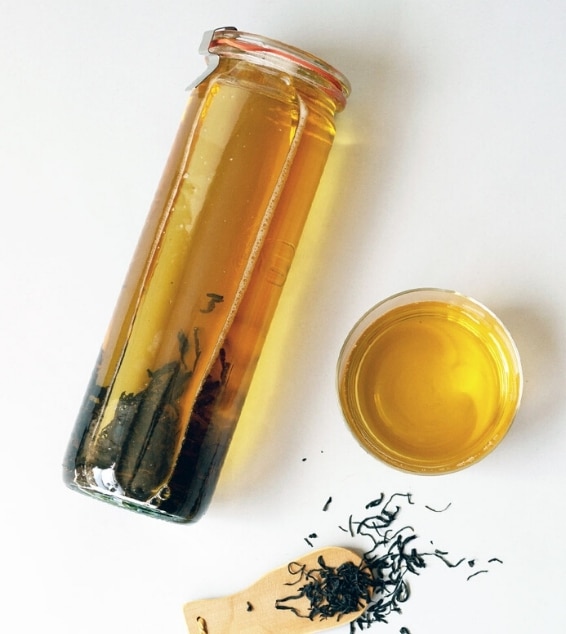
How to make cold brew tea, both black tea and oolong tea

  1. Use 4 grams of tea leaves per 200-250 ml of water.
  2. Put the tea leaves in a disposable tea bag.
  3. Place the tea bag with the tea leaves in the water and close the lid tightly.
  4. Soak the tea in the refrigerator for 6-12 hours.
  5. Once it’s done, remove the tea bag. This cooled tea can be stored in the refrigerator for about 3-4 days without any change in taste or added bitterness.

But be careful with green tea, it can become bitter very easily. Reduce the amount of tea to 3 grams of tea leaves per 500 ml of water and steep the tea for only 3-6 hours. Normally, when brewing hot tea, we usually get a fragrant smell from the brewing, but brewing cold brew tea will not have a fragrant smell that is inviting to drink.

Although cold-brewed tea leaves can be re-brewed hot, the flavor will be less, so it’s best to discard them.

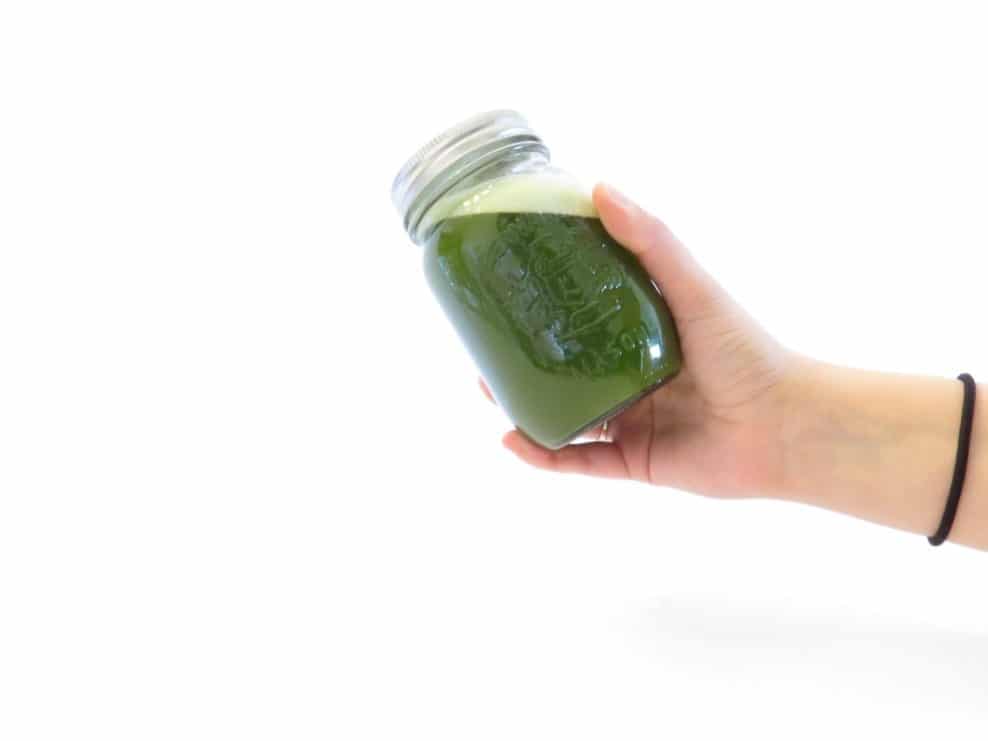
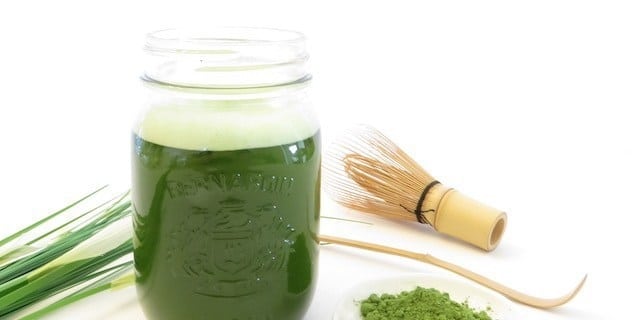
To use green tea powder to make Cold Brew, put 1 teaspoon of tea powder into a bottle with a lid and pour in 1.5 cups of water. Close the lid and shake for about 15 seconds.

Tea Cold Brew

Source

https://pickledplum.com/cold-brew-tea/

https://theteacupoflife.com/2019/04/cold-brew-matcha.html

https://matchaoutlet.com/blogs/recipes/cold-brew-summer-matcha-drink

Article from: Fuwafuwa