What kind of ice is best for making drinks?

Have you ever made a drink that tastes great straight, but when you pour ice over it, the flavor isn’t as strong as before? Even though you use a simple calculation method that many shops use, such as filling a 16 oz glass with ice, you need to add 6 oz or 180 ml of the mixed drink according to the recipe to get a drink and ice that fills a 16 oz glass exactly. But you run into another problem. Sometimes, just changing the type of ice used to make a drink changes the flavor. Many people don’t realize that different shapes of ice can incredibly affect the flavor of a drink. Ice is a common ingredient with different properties. Paying attention to small details like this will make your shop unique and impress your customers even more.
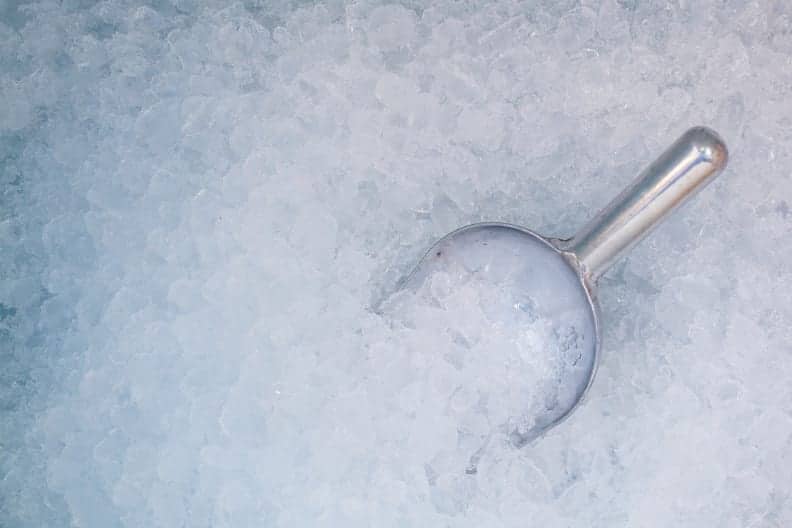
ice

Tube ice has holes inside, giving it a lot of surface area. The cubes are clear and without sediment. Many shops tend to buy this type of ice maker to keep in their shop because the advantage is that it stays cool for more than 3-4 hours. Many shops like to use it, but it cools a little slower.ice cube
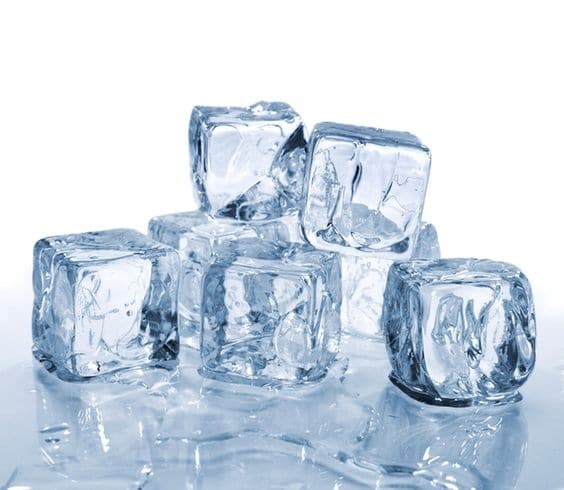
Square ice is a popular type of ice. It has a square shape and melts slower than other types of ice due to its high density. It can maintain a cold temperature for a long time, even in a large container, for several hours. It is also beautiful ice, making drinks look more beautiful and appetizing . It is suitable for drinks that do not want ice to ruin the taste of the drink, such as cocktails, iced coffee, and various types of mixed drinks.
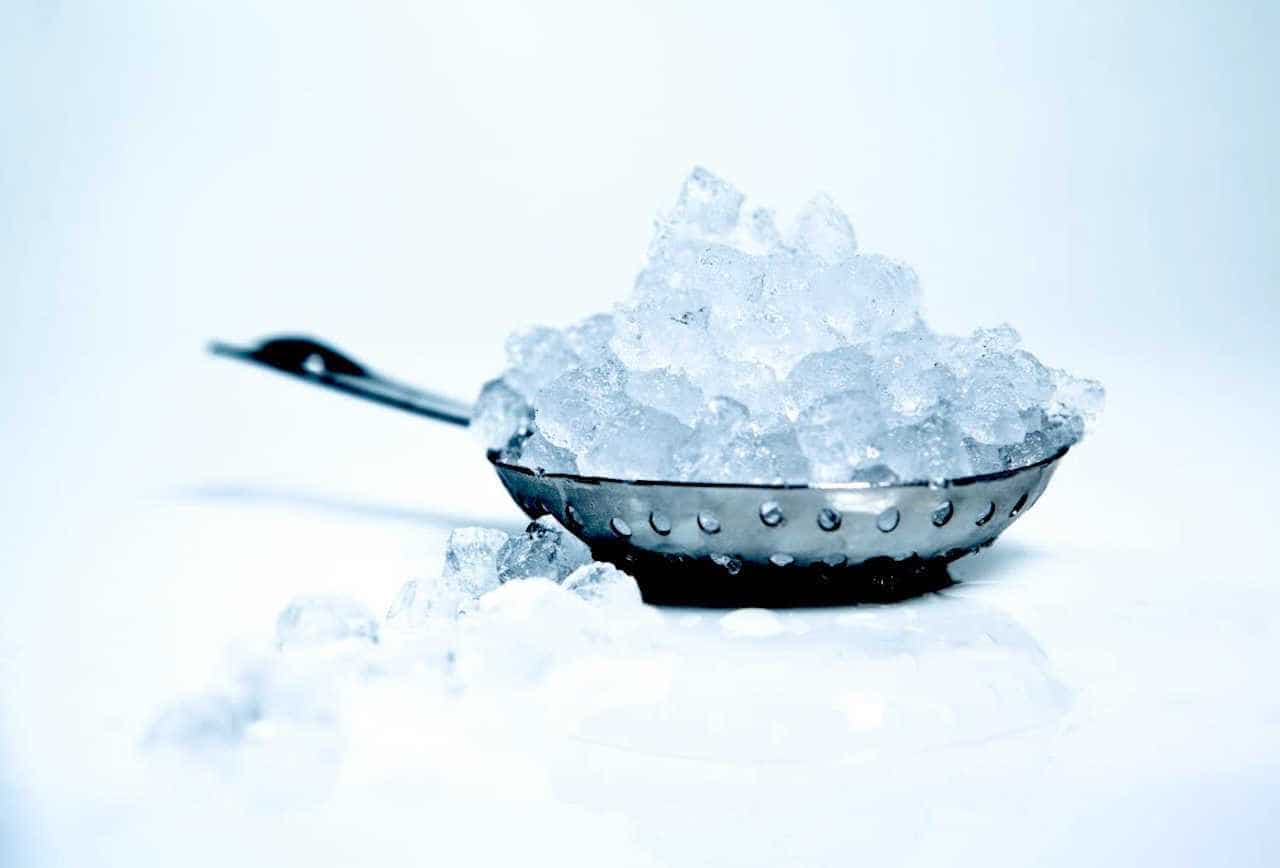
Flake ice is a common shape found in 7-Eleven. It’s small, not too hard, and considered the easiest type of ice to chew. It’s crunchy and fun to chew. It’s ideal for restaurants that want to cool drinks quickly and aren’t buying takeout. This type is more popular because it melts very quickly. Especially in hot weather, the entire glass will melt in less than 30 minutes. Therefore, it’s not commonly used. However, it’s ideal for beverages like soft drinks, syrups, tea, and coffee, especially blended drinks like smoothies, blended cocktails, or shaved ice, as the smooth, soft ice texture makes for a well-rounded drink.

Cup ice has a beautiful, unique shape, sparkling like crystal. It has a definite shape and size because it is produced from standard ice blocks. There is no hole in the middle like regular ice. Therefore, it has a special feature that makes the ice melt slowly without changing the taste of the drink. Plus, the ice cubes are large and thick, shiny and beautiful. Cup ice is popularly used in drinks that look classy, luxurious, and expensive . It is suitable for high-end drinks such as Whisky on the rocks, brandy, or Old Fashioned cocktails.
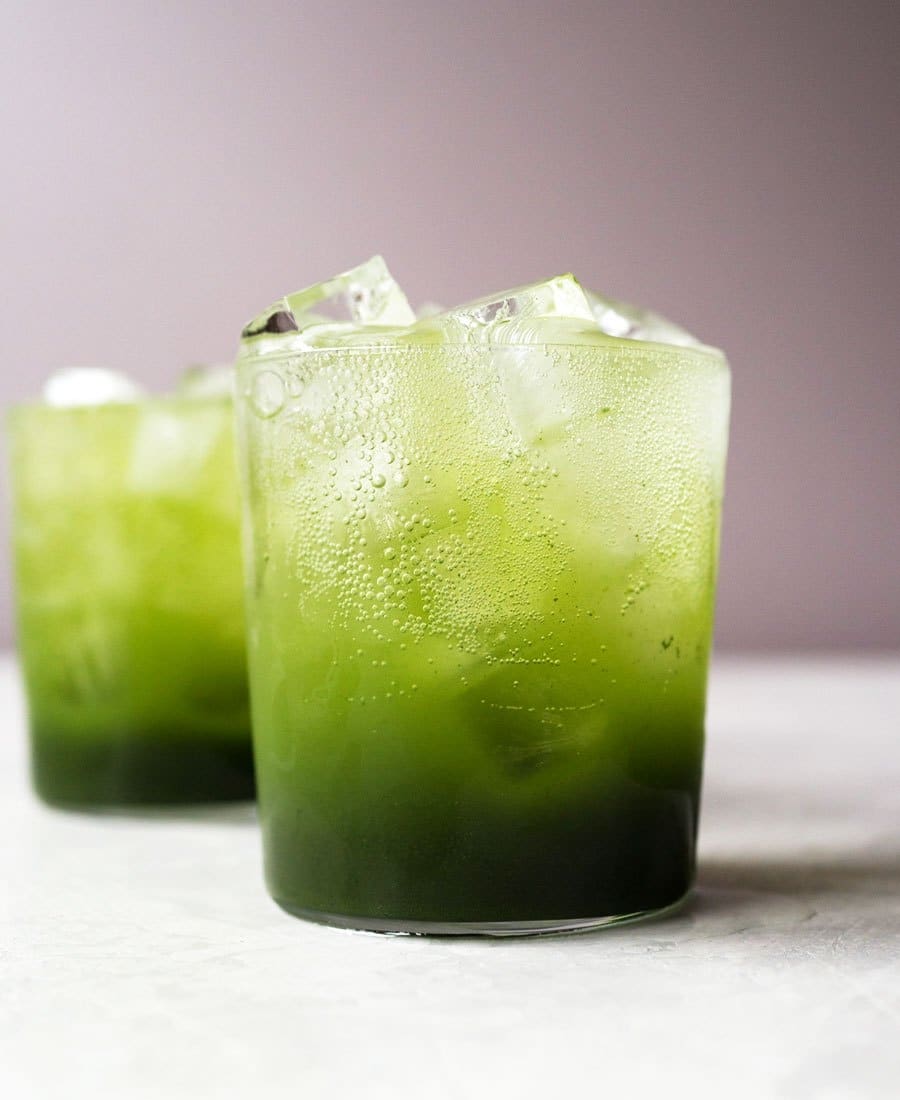
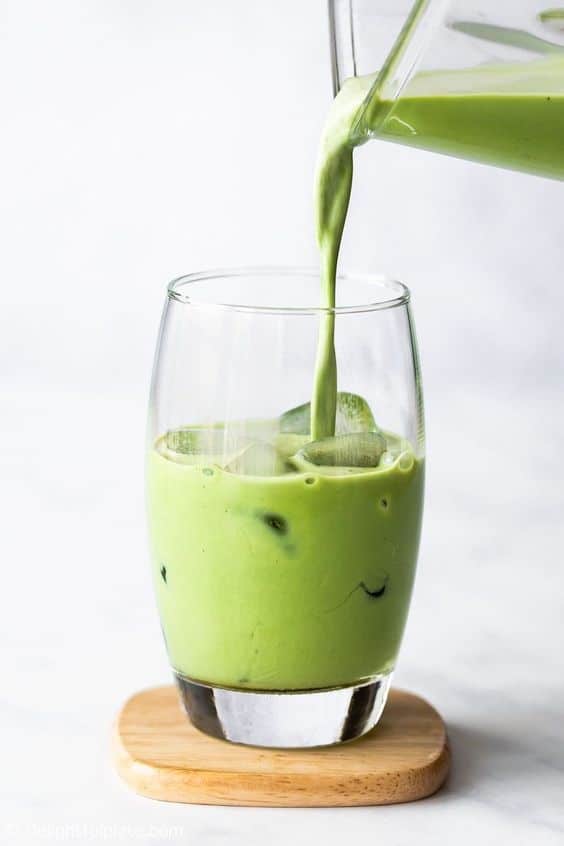
ice matcha ice matcha

A popular technique used by some restaurants for making cold drinks like tea and coffee is to try to make the tea and coffee as cold as possible before pouring them over ice. Some restaurants use the method of placing the espresso shot in a bucket of ice. The milk that goes into the drink is kept chilled throughout. This will help the ice melt more slowly when poured over ice.

Another point that beverage vendors should know is whether to add ice before or after pouring the drink. What are the differences ?

If you add ice first and then pour the mixed drink over it, if the drink is hot, it will melt and take the ice with it, making the taste of the glass bland, unless you knock the drink out before pouring as mentioned above (which is usually not done because it is slow and many customers cannot wait).

However, if you add the drink first and then add the ice, this method may cause the drink at the bottom to remain warm, which is often sucked up because the straw is immersed in the bottom, making it feel less refreshing and the ice will float above the drink.

Some shops use the method of adding some ice first, adding the drink, using a long spoon to stir the coffee, stirring quickly for ten seconds, and then adding ice to fill the glass, closing the lid and serving. The result is that the first sip the customer takes will be instantly cold.

Try adjusting it to your restaurant’s recipe for a richer, more delicious taste with your restaurant’s recipe.

Source

https://bit.ly/2VbXVVD

https://bit.ly/2K7Yh9x

www.ohhowcivilized.com

http://www.buzzfeed.com/lucyh3/35-things-you-appreciate-about-america-after-livin-147h?sub=2337227_1274821

Article from: Fuwafuwa
How to use Chazen… How to use it to make it last longer

Many people may wonder why matcha tea can’t be stirred with a spoon like we do with coffee or cocoa?

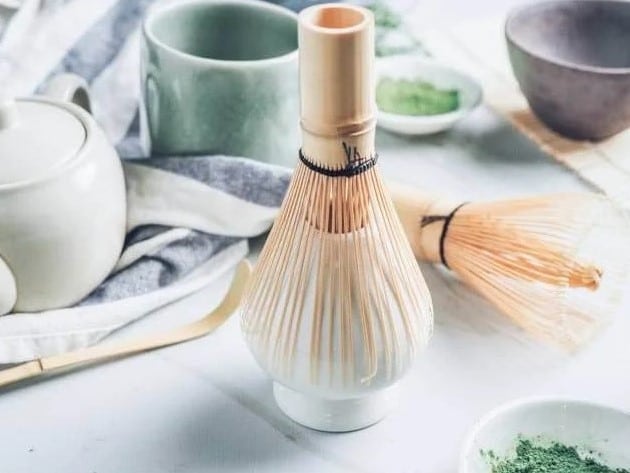
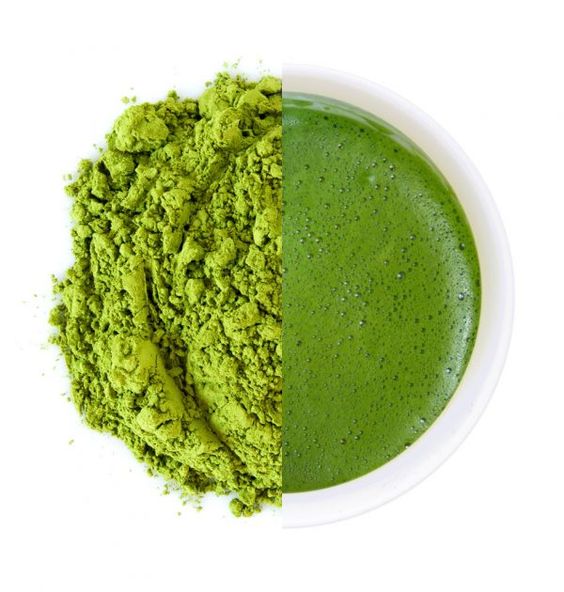
The answer is that matcha is a powdered tea made from tea leaves. Unlike a solution that has been roasted to create a ready-to-brew powder like Ovaltine or granulated sugar, it doesn’t have the ability to dissolve in water. Using a tea whisk, also known as a chazen, to whisk the tea powder will dissolve it completely, giving you a more authentic Japanese-style aroma and flavor.

Chasen

However, some people may use a whisk used for making desserts to beat the tea powder instead. However, the disadvantage is that when the matcha is beaten, the foam will be large and not fine, making the matcha look unappetizing.

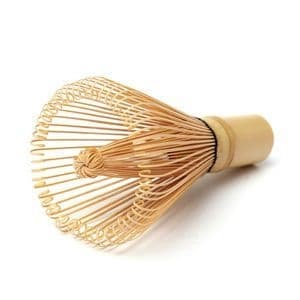
Chasen is usually made of bamboo and has about 80 ribs. If there are fewer, it is a chasen that is used for brewing koicha, or concentrated matcha.

chasen

It is necessary to use chasen to knead the tea powder into a homogeneous mixture with hot water, different from making usucha or thin matcha, which uses chasen to beat the tea powder into foam. However, some models of chasen with a large number of tines, such as 100 or 120 tines, have the advantage of being able to beat matcha into foam more easily and with finer foam. In the past, chasen with a large number of tines were only reserved for use by shoguns or high-ranking nobles.

chasen

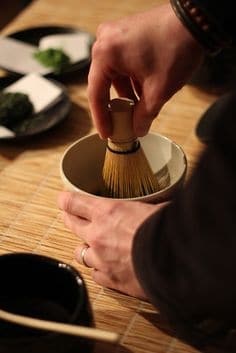
When using a chasen for the first time, soak it in warm water for 15-30 minutes to loosen the wood. In addition, to extend the life of the chasen, every time before use, soak the chasen in warm water for about 5-10 minutes to allow the wood to flex and withstand the force of use without breaking. It is also recommended to use the chasen with a wide, flat bottomed cup and avoid using it with tall, narrow-mouthed, angled teacups, as this could cause the tip of the brush to hit the corner and break. Most importantly, do not press the chasen brush against the bottom of the cup, but focus on shaking the chasen using your wrist, avoiding shaking the brush so hard that it hits the side of the cup.

After each use, you should swirl it in warm water, only swirling the part that touched the matcha. You don’t need to rinse the entire thing. After swirling it in two rounds, set it aside to dry. Or if you have a ceramic tea rest, you can insert it and wait for it to dry.

A little additional tip: after use, store your matcha in a dry, ventilated place. Avoid storing it in a humid place, such as a closed container, box, or air-conditioned room, to prevent germs . Simply starting to use it properly and storing it properly will help extend the life of your matcha, a favorite among matcha lovers.

Source

https://www.tealyra.com/matcha-tea/matcha-accessories/japanese-matcha-bowl/?currency=USD&r=no&gclid=CMWlrODR1tECFVA6gQodV-0B4g

http://the189.com/design/making-a-bamboo-whisk-with-yamato-takayama/?utm_source=feedburner&utm_medium=feed&utm_campaign=Feed:+the189/feedme+(OEN)&utm_content=Google+Reader

https://cooking.framethe.me/2019/11/tea-tasting-with-tamayura-tasting-of.html

Article from: Fuwafuwa
Why do different types of tea taste different?

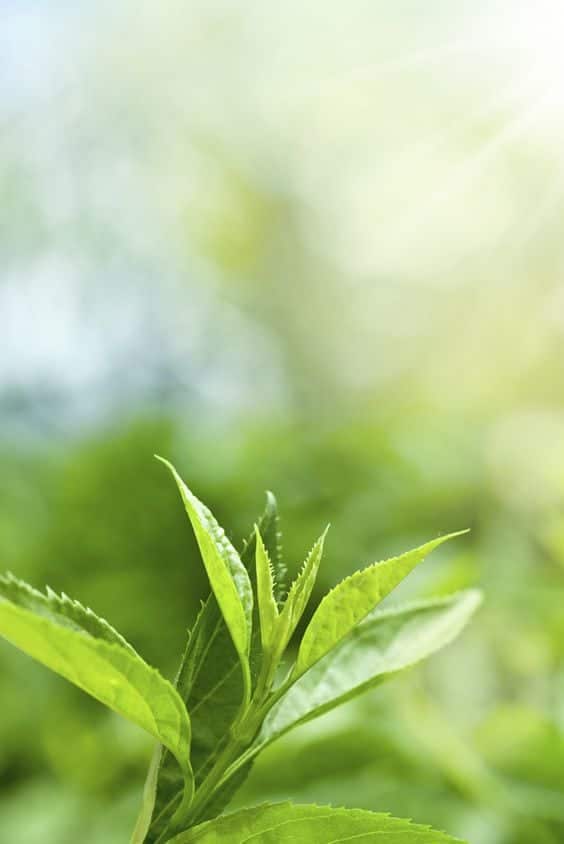
Green tea cultivation varies from farm to farm, resulting in different techniques and secrets . The main factors that influence flavor are climate, soil, and the grower. If any one of these factors differs, the production process and flavor will naturally differ, even if the tea used is of the same variety.

Source: http://blog.davidstea.com/en/get-to-know-loose-leaf-tea/

Why do different types of tea taste different?

The first factor that greatly affects the taste of tea is soil . It is the main factor that makes the quality of tea from one place to another. In addition to the natural soil of each growing area having an effect, soil selection and fertilizer application of each tea plantation have their own special formula that makes the tea taste as desired. The soil texture in highlands is mostly red, which is caused by washing, and in some areas, it is caused by the decomposition of limestone mountains. The soil suitable for growing tea has a pH between 4.5 and 5.5, which is slightly acidic.

Why do different types of tea taste different?

Another factor is the climate. Green tea needs to be grown in both the right temperature and humidity. It should be grown in areas with fog, caused by the large temperature difference between day and night. Although tea can tolerate low temperatures well, ice should not be allowed to form on the leaves, as this would degrade the quality of the tea. It’s no surprise that in Japan, large fans are installed at almost every tea plantation to prevent ice from forming on the leaves during winter. The quality of tea, particularly its aroma and flavor, is partly dependent on temperature, and is therefore inevitably influenced by the growing area. High altitude areas have cold, stable temperatures almost year-round, resulting in high-quality but low-yield fresh tea leaves. In contrast, low-lying areas, where temperatures are higher, produce higher yields but lower quality.

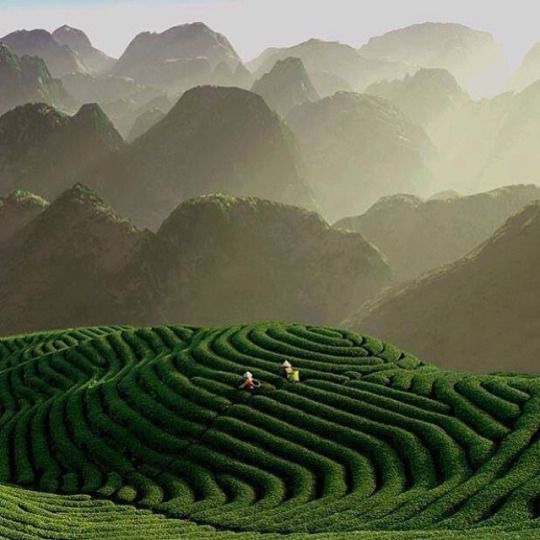
Source: http://chaehbae.tumblr.com/post/90942615222/tea-fields-zhejiang-china-awesome-amazing

Why do different types of tea taste different?

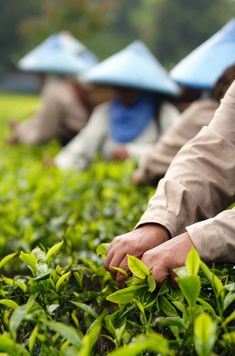
Another equally important factor is people. They are the heart of the entire process. In addition to requiring highly experienced personnel at each step, they also require meticulous care and attention to detail in handling the tea to ensure it meets the required standards.

Source: http://www.trekearth.com/gallery/Asia/Indonesia/Java/Jawa_Barat/Ciwalini/photo633381.htm

There are also small details that affect the taste of tea, such as when picking tea leaves. Choose leaves with two buds and one leaf, as this part of the tea leaf is full of polyphenols, which are important substances that affect color, aroma, taste, and other health benefits.

When it comes to Japanese tea, we often think of tea from Uji , Kyoto, and tea from Shizuoka. Both of these places have created unique styles of producing beautiful and wonderful teas, and each has its own interesting travel stories.

Why do different types of tea taste different?

Uji, Kyoto, the land of traditional tea

As you may know, Uji City in Kyoto is a place with a history of tea. Initially, Uji was a diverse area of tea cultivation, but later it became primarily focused on matcha production.

Because matcha has a strong connection to Zen Buddhism, and Kyoto’s close ties to many of its leading temples, matcha is a major focus. With its excellent soil and fine production methods, Uji has created a world-renowned tea that combines flavor and history.

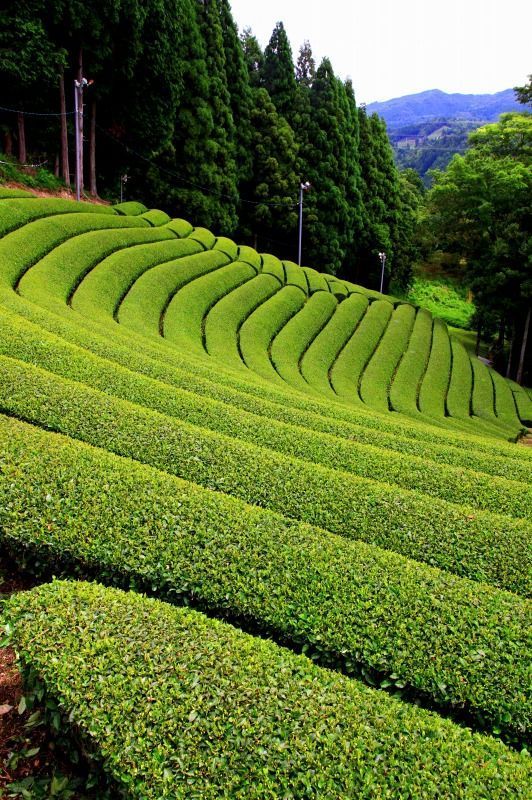
Source: http://pin.it/YUO1SKu

Shizuoka, the birthplace of modern tea

Shizuoka’s tea history is different from Uji’s. While matcha uses tea grown in the region, Shizuoka’s farmers have cultivated a variety of other tea varieties, as they are less influenced by Buddhism. Shizuoka is one of the largest green tea-producing regions in Japan, accounting for approximately 40% of all tea plantations. One of Shizuoka’s key innovations is its Sencha Yabukita variety, renowned for its strength, aroma, and sweetness, compared to Kyoto’s.

Source: https://www.flickr.com/photos/ippei-janine/5721719180/

Article from: Fuwafuwa
Green tea that is not green

Many people understand that green tea must be only green. If it is tea of other colors, it will have different names. In fact, there are other colors of green tea that are not green, but originate from green tea as well. It just differs in the production process, the time of picking the tea leaves, and the roasting process. This makes the green tea that is normally green, or what we are familiar with as “matcha”, which is often used to make matcha latte drinks or to make various desserts that are mainly green. But when it goes through the production process, it will turn brown. The familiar name is Hojicha tea.

Normally, Matcha green tea comes from Tencha tea that is raised in the shade like Gyokuro tea before being carefully ground into powder with stones. It is often used in tea ceremonies. There are many grades, such as for making sweets, drinks, ceremonial brewing, etc. You can observe it from the color of the matcha. The darker the matcha, the better the quality. If you drink 1 cup of Matcha, you will get the same nutrients as drinking 10-15 cups of other types of green tea.

Matcha Hojicha

Source : https://www.takaski.com/product/ochaski-kyoma-kyoto-organic-matcha-made-japan/

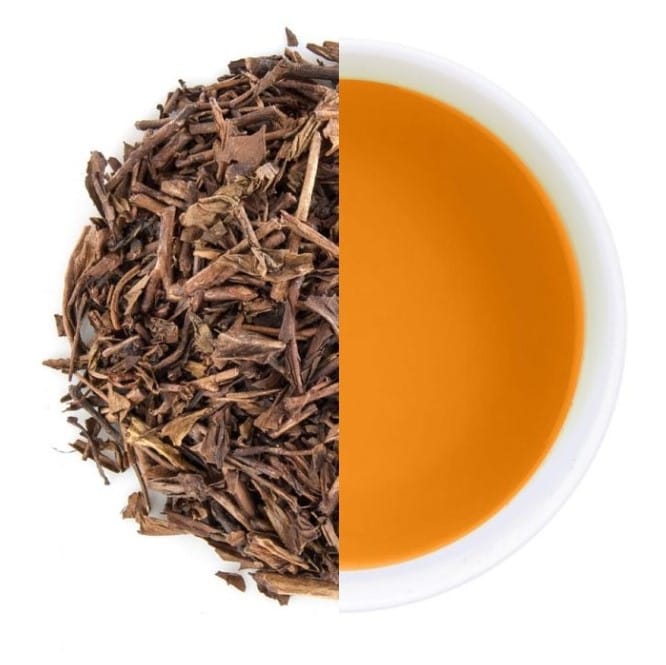
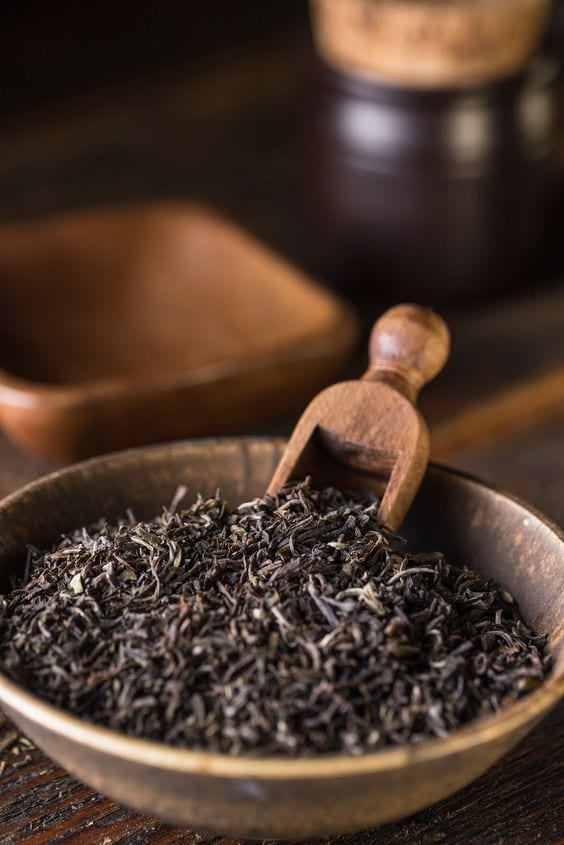
Green tea that is not green… Hojicha is the last harvested tea leaves. It is a mature tea leaf, not a young tea leaf. Therefore, the tea leaf size is large and is considered to be of lower quality than Sencha green tea. But Hojicha is special because it is roasted tea, making it a reddish brown color, fragrant, and has a strong taste. The taste of real green tea has a more inviting aroma than Matcha. The taste is often compared to caramel, charcoal or roasted nuts. The price is cheaper than other green teas because it is made from tea leaves that are considered lower grade and less sweet. The charm of this tea is that it is roasted, which reduces the astringency and bitterness, creating a fragrant taste and making it easy to drink, so it is very popular in Japan. It is suitable for drinking between meals or after dinner, and is also suitable for children because it is low in caffeine.

Source: https://www.etsy.com/listing/275027278/kukicha-twig-green-tea-organic-35-oz-tin

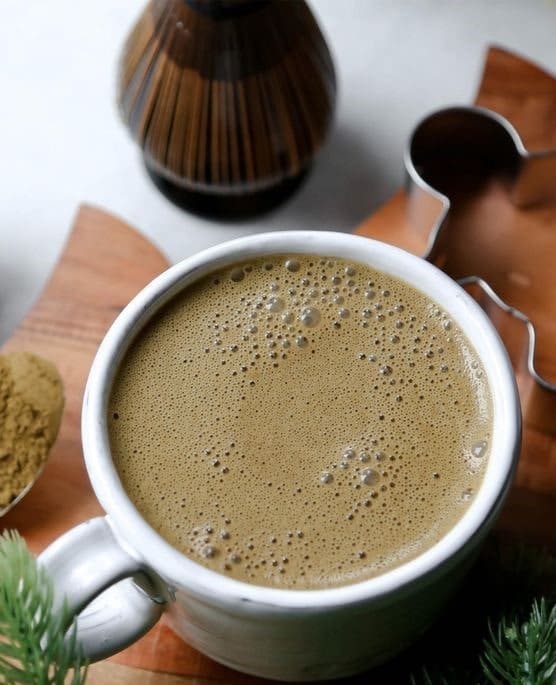
Hojicha Latte

At first, Hojicha was only brewed and drunk at home. Later, in Tokyo, there was a culture of serving Hojicha in restaurants. Nowadays, it has become popular everywhere. Hojicha is also used as a flavoring for various sweets and drinks.

Source: https://www.soarorganics.com/blogs/blog/gingerbread-hojicha-latte-recipe

Properties of Hojicha

  1. Helps reduce cholesterol and normalize blood sugar levels.
  2. The body relaxes and the mind is clear.
  3. Reduce bacteria, prevent tooth decay

Houjicha

Source: http://www.lifehack.org/386925/10-natural-reliefs-to-stop-diarrhea-quickly?ref=pp
https://matchazuki.com/product/matchazuki-houjicha

Article from: Fuwafuwa
5 techniques for serving green tea to make it look more Japanese

These days, no matter which shop you go to, you will encounter a green tea menu, whether it is a drink or a dessert. It may be a trend that is gaining popularity in Japan. This makes many customers feel that no matter which shop they go to, it is the same, so they decide to go to the shop that is closer and more convenient instead. This affects sales that may drop.

How to create a difference for the menu in the shop The first thing that many people think of is probably a promotion, discount, exchange, giveaway, which is a way to increase sales in the short term only. Another way to help create a highlight for the shop, different from other shops is to add a unique identity to the product. Especially if it is a tea shop, many people must think of a chic cafe in Japan for sure.

Let’s take a look at 5 techniques for serving green tea menus to make them look more Japanese. It’s easy and creative, so customers can come and take photos and share them as if they were really at a cafe in Japan.

  1. Add Japanese ingredients. Many Japanese dishes often have Japanese ingredients.
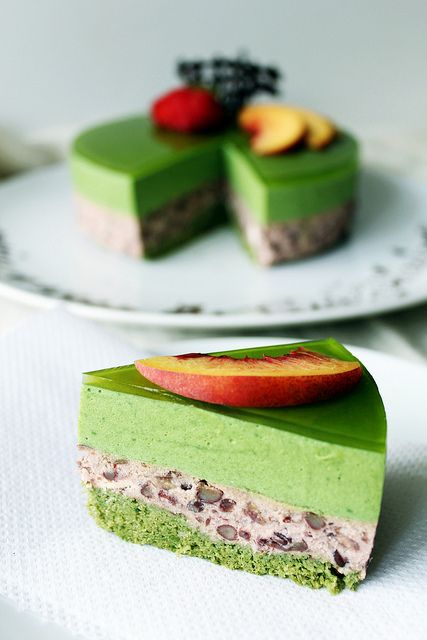
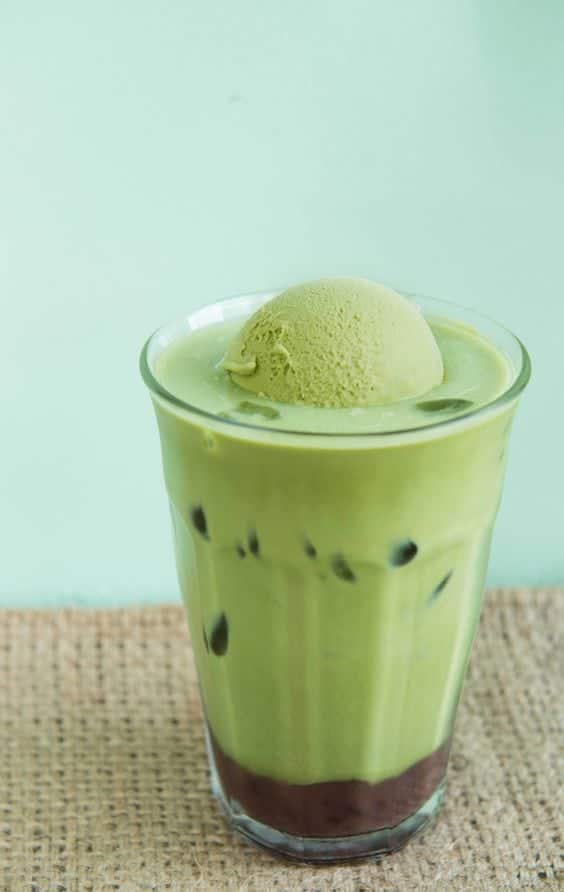
  • Red beans : Because red beans are a plant that has grown with the Japanese people from the past until the present. With the fertile terrain, red beans grow well. They can be used as an ingredient in desserts all year round. Therefore, they are the main ingredient that should be used as part of the menu at the shop, such as from green tea mousse, adding red beans as an ingredient will make it even more delicious. Or a normal green tea latte, just adding red beans will make it even more delicious than usual. Matcha Red Bean Mousse

Matcha Red Bean Mousse

Matcha Red Bean Frappe

Source: http://mykitchenoflove.wordpress.com/2012/09/01/our-anniversary-cake-matcha-and-red-bean-mousse/

http://www.facebook.com/mofcafe

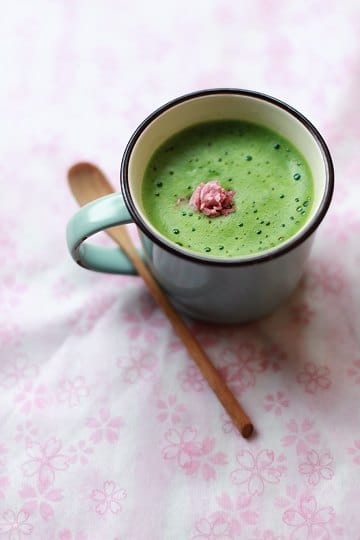
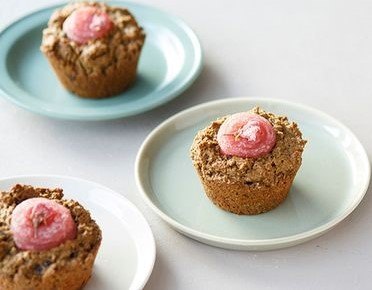
  • Cherry blossoms, which anyone who sees must think of Japan. During the spring season, many places like to use salted cherry blossoms as an ingredient in desserts. In Thailand, it is considered a rare ingredient. It is suitable for adding to the menu at the shop, such as hot matcha latte topped with cherry blossoms, giving a light scent of spring. Or, plain muffins are made more delicious by topping with fresh cherry blossom cream.

Sakura Matcha Latte

Sakura Muffins

Source: http://shewhoeats.blogspot.com/2010/04/sweets-over-flowers.htmlhttps://www.marumura.com/eat-sakura-flower/

https://thecitybakery.jp/new/328/

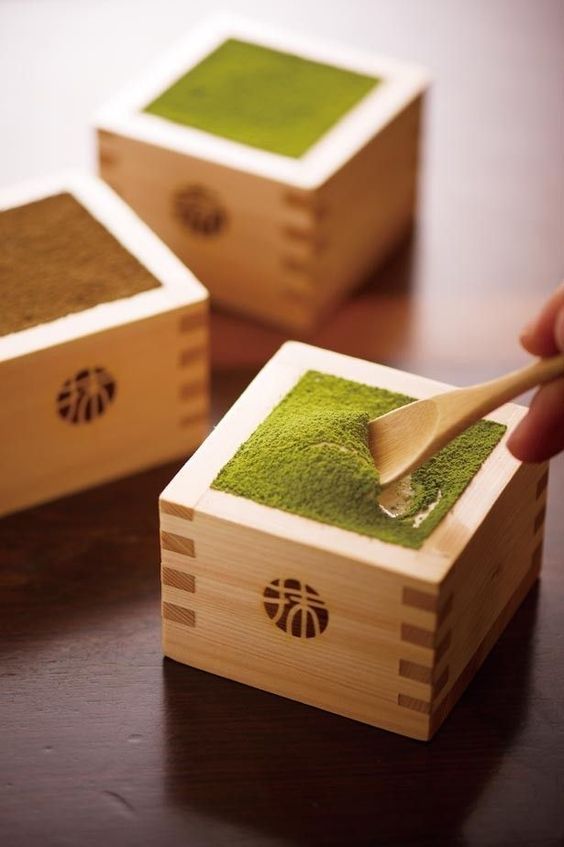
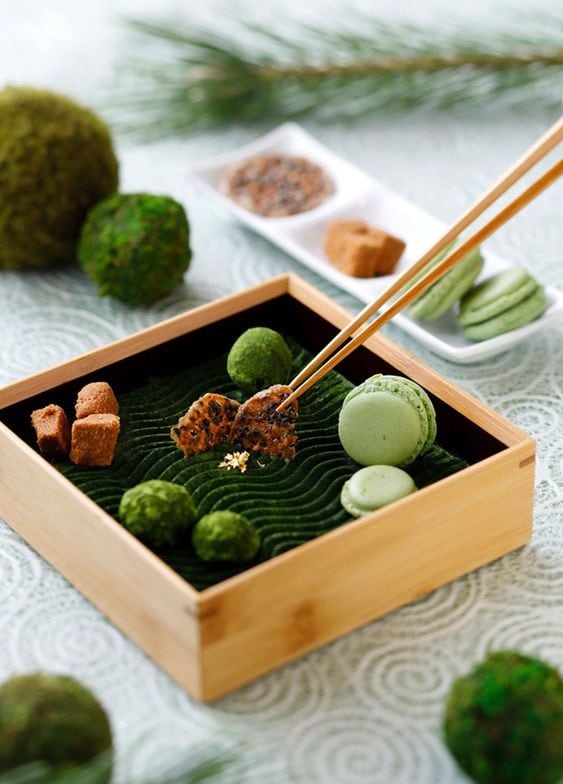
2. Serve sweets in Japanese-style containers that make for cool photos that are unlike any other. Anyone who sees them will think they are in a cafe in Japan. A popular container is a bamboo box.

Source: https://www.amazon.com/gp/mpc/A1BANPHECDMMWA?1213213894

https://tabizine.jp/2019/03/18/244578/

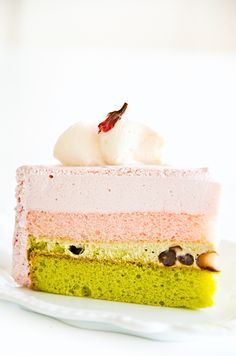
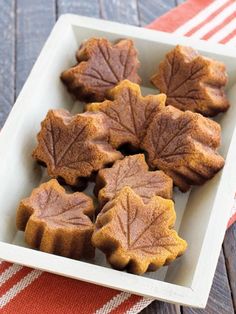
3. Use colors or shapes of the cake to reflect the Japanese seasons, such as using pink as part of the cake in March, or making cookies or pancakes in the shape of leaves to celebrate the Autumn Leaves festival.

Sakura Matcha Cake

Pancakes

Source: http://www.myfudo.com/easy-desserts-recipes-cherry-blossom-matcha-layer-cake-entremet-2/

https://www.vermontcountrystore.com/maple-leaf-cakelet-pan/product/81182

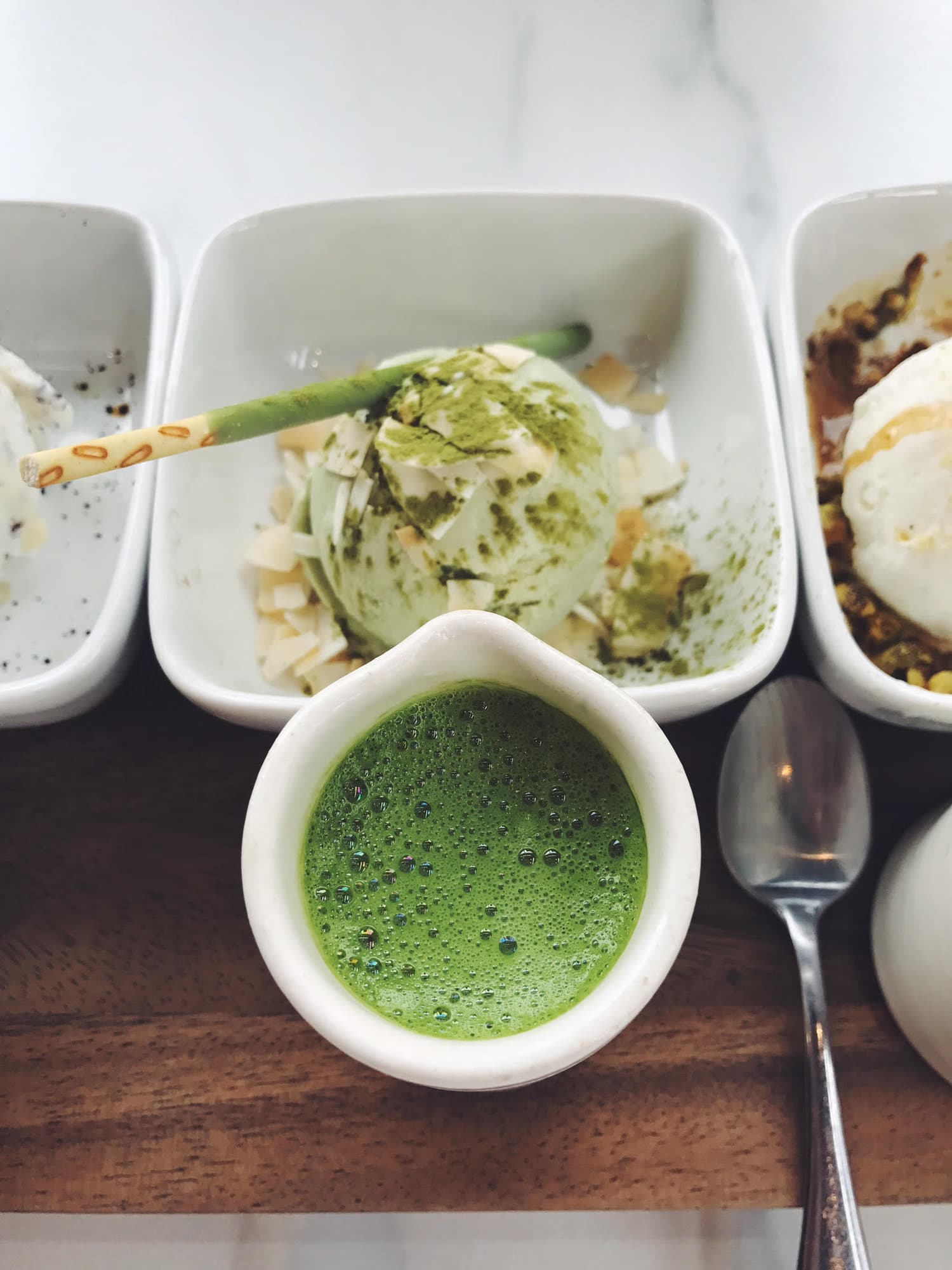
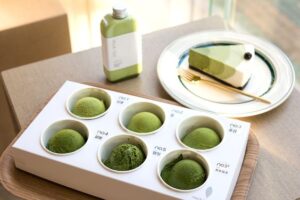
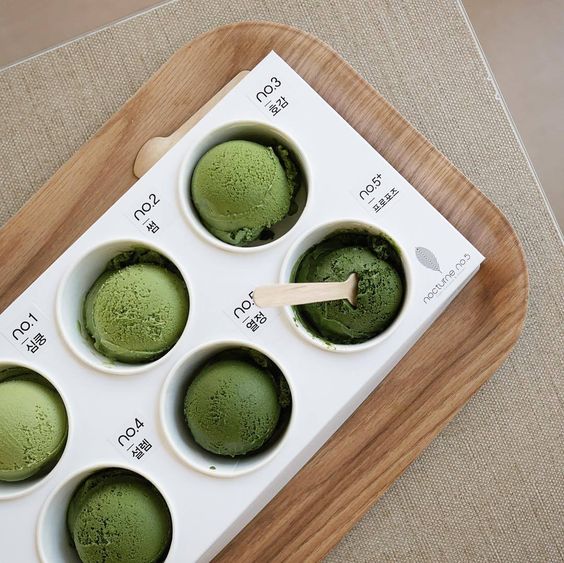
4. Put sophistication into every piece of packaging. When we travel to Japan, we often see many items with beautiful packaging. If the packaging is beautiful and appealing, it will help increase the value of the product itself. It can also be organized into a set for souvenirs. Creating good packaging is not just about having a beautiful design, but it must also have a function that meets the needs of the store and customers to help create new experiences for customers. For example, ice cream shops in Japan serve ice cream with different levels of thickness on the same plate so that the color and texture of the ice cream can be clearly compared. Customers will feel more fun when eating.

Source: http://danielfooddiary.com/2019/02/07/nocturneno5/

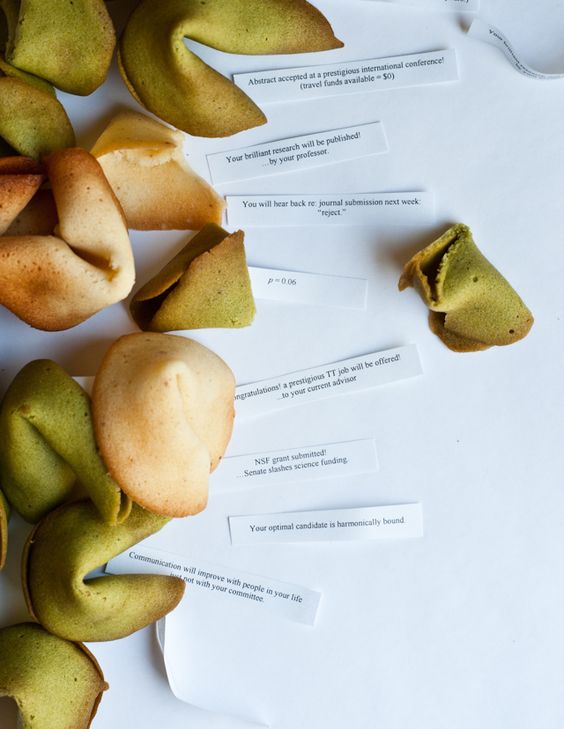
5. Have a fortune or small activity for customers to join in the fun, creating new experiences, such as changing from regular green tea cookies to green tea fortune cookies, or serving affogato green tea that customers can pour themselves before eating, instead of pouring it for customers from the beginning.

Source: http://www.dessertsforbreakfast.com/2013/05/fortune-cookies.html?utm_source=feedly&utm_medium=feed&utm_campaign=Feed:+dessertsforbreakfast+(Desserts+for+Breakfast)

http://www.caramelizedblog.com/blog-roll/2017/1/drip-affogato-bar.html

Even if you are a beginner at making and selling pastries or have just opened your own cafe but do not want to invest much and do not have a chef to help you create new recipes all the time, we can use the 5 simple techniques above to add value to an ordinary green tea cafe to make it unique and different from any other shop.

Article from: Fuwafuwa
Nutrients in matcha and healthy matcha intake

Before we reveal the answer, let’s take a quick look at the nutrients in matcha.
100 grams of matcha contains the following nutrients:

“Energy 324 kcal, Water 5 g, Protein 29.6 g, Protein from amino acids 22.6 g, Fat 5.3 g, 0.68 g, Triglycerides 3.3 g, Saturated fatty acids 0.68 g, Monounsaturated fatty acids 0.34 g, Polyunsaturated fatty acids 2.16 g, Cholesterol 0 g, Carbohydrates 39.5 g, Usable carbohydrates 1.6 g, Soluble fiber 6.6 g, Insoluble fiber 31.9 g, Total fiber 38.5 g, Ash content (inorganic food fraction) 7.4 g, Sodium 6 mg, Potassium 2700 mg, Calcium 420 mg, Magnesium 230 mg, Phosphorus 350 mg, Iron 17.0 mg, Zinc 6.3 mg, Copper 0.6 mg, Vitamin A beta-carotene 29000 mcg, Vitamin A1 2400 mcg, Vitamin E tocopherol 28.1 mg, Vitamin K 2900 mcg, Vitamin B1 0.6 mcg, Vitamin B2 1.35 mg, Niacin 4.0 mg, Vitamin B6 0.96 mg, Folic acid 1200 mg, Pantothenic acid 3.7 mcg, Vitamin C 60 mg, Caffeine 3.2 g, Tannin 10.0 g.”

Sorry for the length. Just read through it.
This information is translated from the Standard Nutrient List for Consumer Products, 7th Edition, 2015 (latest edition), produced by the Ministry of Education, Culture, Sports, Science and Technology, Japan. It is reliable and can be used as a reference.
Judging from this information, matcha is incredibly nutritious. Consuming a whole 100-gram jar shouldn’t be a problem, right? However, there’s one substance we should be especially wary of: caffeine.

100 grams of matcha contains 3.2 grams of caffeine, which means that 1 gram of matcha contains 32 milligrams of caffeine. For example, if you use a matcha tea with hot water, which normally uses a maximum of 2 grams, your body will receive 64 milligrams of caffeine.
So, how much caffeine should you be getting?
There is currently no established ADI (Acceptable Daily Intake) for caffeine. According to the recommendations of the European Food Safety Authority (EFSA), the appropriate daily intake of caffeine varies by age and body weight as shown in the table below.

Age range Appropriate daily amount Recommended amount of matcha Simple summary
75 years and older 22-417mg 0.69-13.03g Up to 2 tablespoons 1 teaspoon
65-75 years old 23-362mg 0.72-11.31g Up to 2 tablespoons, half a teaspoon
18-64 years old 37-319mg 1.16-9.97g Up to 2 tablespoons
10-18 years old 0.4-1.4mg/body weight (kg) 0.01-0.0437gx body weight (kg)
3-10 years 0.2-2.0mg/body weight (kg) 0.006-0.0625gx body weight (kg)
12-36 months 0-2.1mg/body weight (kg) 0.006-0.03125gx body weight (kg)
pregnant women 200 mg per day 6.25 g per day Up to 1 tablespoon, half a teaspoon

According to the table above, for ages 12 months to 18 years, readers should calculate for themselves. Those who don’t have a measuring device may find it difficult, so I tried to see if I could change it to teaspoons, which everyone should be familiar with.

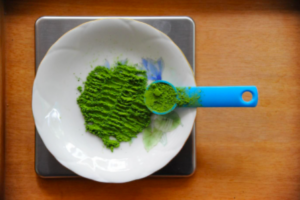
If you look at the picture below with the blue spoon, that’s a measuring spoon. 1 teaspoon of matcha is about 2.2-2.4 grams. As for the cover image, it’s measured from a measuring spoon. 1 teaspoon gives about 4.9-5.1 grams of matcha. These measuring spoons are easy to find. Try estimating them.

Caffeine intake is still a subject of research, and different organizations have come to different conclusions. For example, the New Zealand Food Safety Authority (NZFSA) says that healthy adults can consume up to 400 mg of caffeine per day (about two tablespoons and a little over a teaspoon of matcha). As new research becomes available, this number is likely to change, but if you’re going to believe Europe, the numbers in this table should give you a good idea.

What effects will the body have if it consumes caffeine?

There are so many studies on the benefits and harms of caffeine, and so many cases, that it’s hard to easily determine which type of person it affects. However, the Food Safety Commission of Japan (FSC), established by the Prime Minister’s Office, has compiled the following information about caffeine:

Taken in appropriate amounts: It stimulates the nervous system, relieves drowsiness, and relieves alcohol intoxication (be careful not to drink too much alcohol).

Received in excessive amounts:

  1. Central nervous system stimulation: dizziness, increased pulse, anxiety, tremors, insomnia.
  2. Stimulates the digestive tract: Stimulates diarrhea and nausea.
  3. diuretic

The World Health Organization also states that during pregnancy, the body clears caffeine from the bloodstream more slowly. Several studies have shown that consuming too much caffeine (the WHO figure is 300 mg per day – almost 2 tablespoons of matcha) can lead to delayed fetal development, lower birth weight, premature birth, and stillbirth. Therefore, it is recommended to limit caffeine intake to a reasonable level.

The Japan Beverage Industry Association also recommends against consuming caffeinated beverages while using pharmaceuticals containing caffeine.

No matter how nutritious a food is, consuming too much of it is not good. This applies even to matcha. Some people brew matcha in the traditional way (1.7-2.0 grams) and are hesitant to consume too much. I hope that after reading this article, everyone will be able to enjoy matcha with more peace of mind.

https://chakatsu.com/basic/caffeine_matcha/

Article from: Vachi