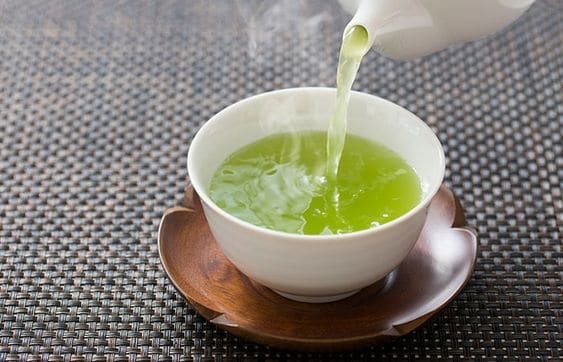
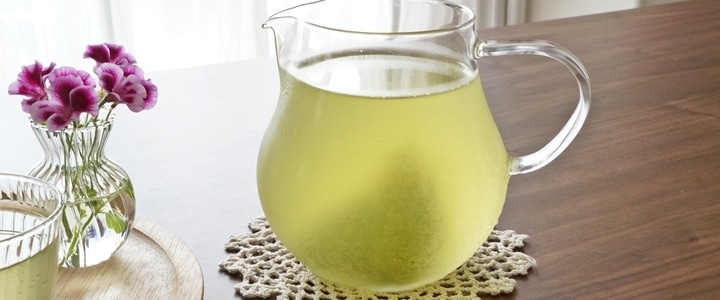
Tea and coffee are popular drinks.

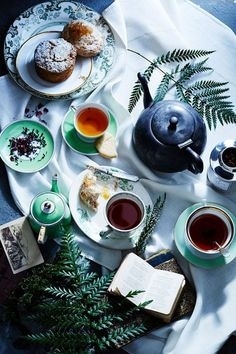
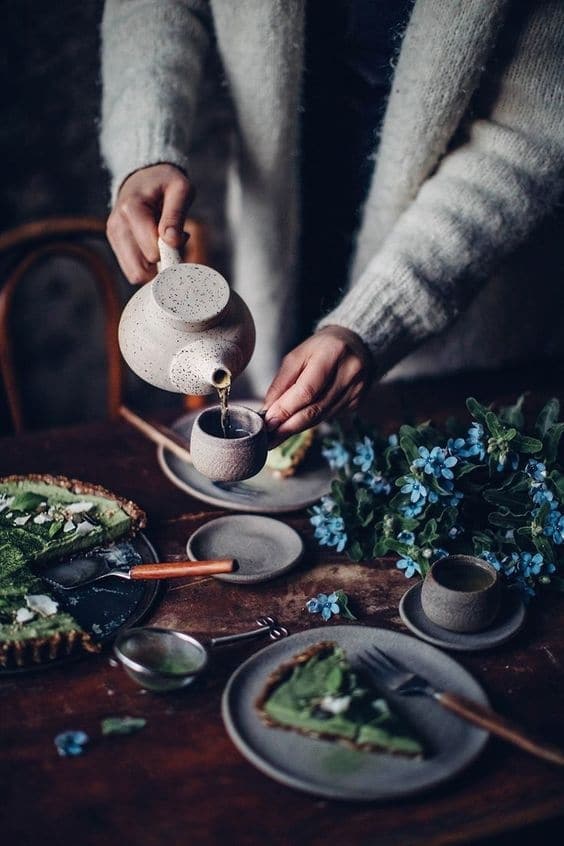
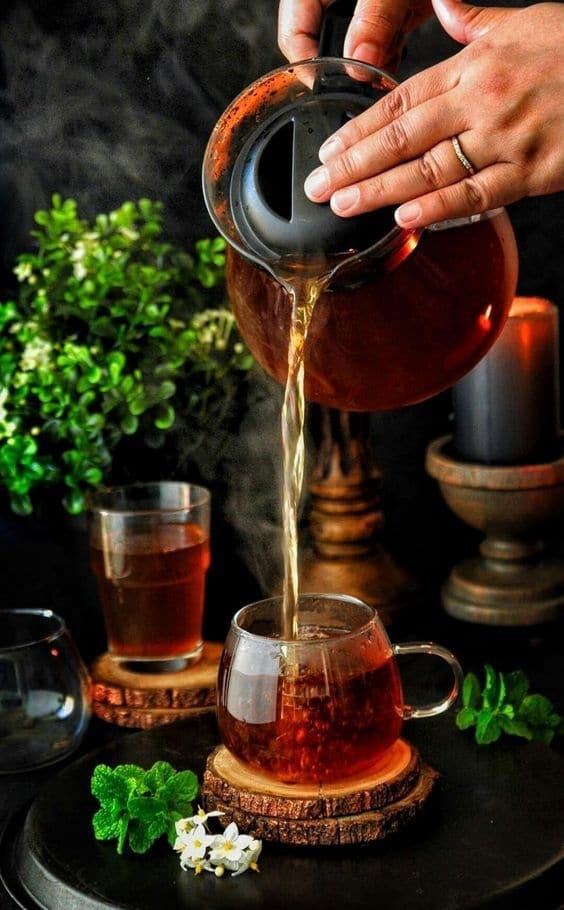
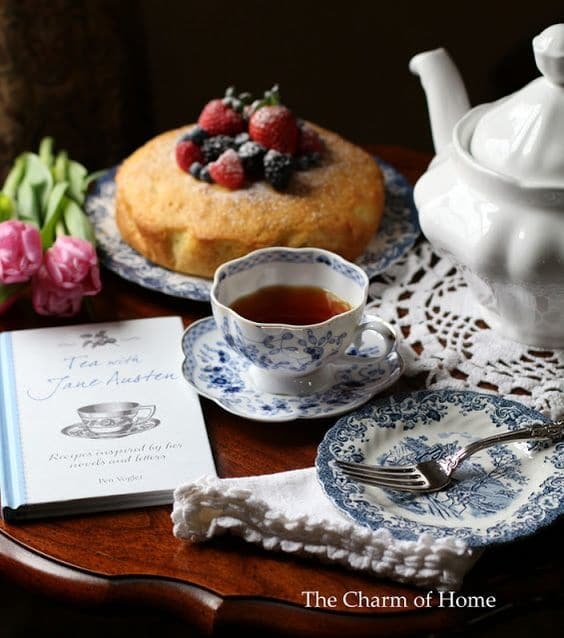
When talking about beverages that are popular all over the world, tea and coffee are probably the most popular. This can be seen from consumer behavior that these two beverages are becoming more and more popular. No matter where you go, there are tea or coffee shops everywhere. Of course, both tea and coffee contain caffeine. After drinking tea or coffee, you will feel alert due to the caffeine and feel thirsty because your body will try to get rid of the high caffeine content. If we compare the amount of caffeine in a cup of tea and coffee , coffee will contain 90-170 milligrams of caffeine, while tea will contain 25-70 milligrams. It can be seen that the amount in tea is much less. Therefore, people who are looking for a healthy option might choose tea as their first choice.

Although there’s no clear conclusion as to which is better: tea or coffee, in reality, both types have their own advantages and disadvantages, depending on individual drinking habits. Drinking in the right proportions can be beneficial to the body, but drinking large amounts over a long period of time can increase the risk of various diseases, such as esophageal cancer caused by tea drinking and osteoporosis caused by coffee drinking.

coffee

However, tea and coffee also have other benefits for the body. For example, when you have a cold, coffee is the one to drink. After drinking it for just 10 minutes, the caffeine in coffee increases your heart rate and blood pressure. Furthermore, things mixed in coffee, such as milk and sugar, also turn into energy that warms the body. In addition, the benefits of drinking coffee include reducing the risk of Alzheimer’s disease, reducing migraine headaches, and reducing the risk of gout in men. And if drunk in the right amount, it can reduce the risk of heart disease. In addition, coffee contains more potassium and phosphorus than tea, which helps nourish bones.

The charm of coffee that coffee lovers love is that the aroma of roasted coffee reacts with proteins in the brain that are related to stress, especially stress caused by insomnia. Just smelling coffee will make you feel relaxed.

A word of caution when drinking coffee : Coffee contains a higher amount of caffeine than tea. Drinking too much, more than 3-4 cups per day, or 400 milligrams, can cause rapid or irregular heartbeats, anxiety, and insomnia. It can also cause yellowing of the teeth. Drinking more than 8 cups of coffee per day, which is considered excessive, can increase the risk of miscarriage. Coffee also reduces blood flow to the heart.

Drinking coffee on an empty stomach can intensify your caffeine response and increase the risk of stomach irritation. This means that unless you want to avoid the risk of gastritis or heart palpitations, you should avoid it.
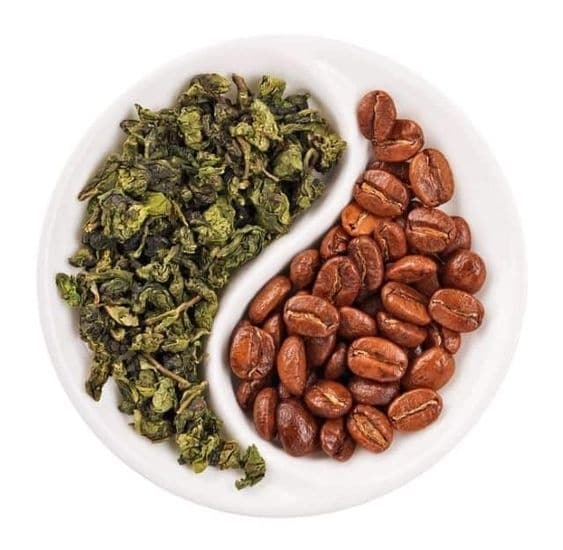
Tea or Coffee

On the other hand, if you want to feel better and relax, tea is the perfect choice. The aroma of tea can help calm and unwind you, such as jasmine tea, fruit tea, or even green tea. Before drinking, inhale the aroma of the hot tea and sip slowly. This will put a smile on your face in the afternoon. Furthermore, tea is high in antioxidants, which can help fight cancer. It also helps prevent cancer and nourishes the skin, preventing aging. Drinking tea four times a day for six weeks can reduce stress hormone levels. Furthermore, tea can reduce the risk of esophageal cancer in women by up to 60%. Tea can stimulate the nervous system, improve blood circulation, and help the body function normally. It prevents excess fat from accumulating in the body and reduces symptoms of Alzheimer’s disease, just like coffee. It can also enhance the effectiveness of migraine medications.

However, drinking too much tea can lead to osteoporosis. Tea also contains a high amount of tannins, which can reduce iron absorption and increase the risk of anemia. Drinking too much hot tea can also increase the risk of esophageal cancer.

Different types of tea have different amounts of caffeine. Black tea has the highest caffeine content, averaging 23-110 milligrams, followed by oolong tea with 12-55 milligrams, green tea with 8-36 milligrams, and white tea with only 6-25 milligrams.
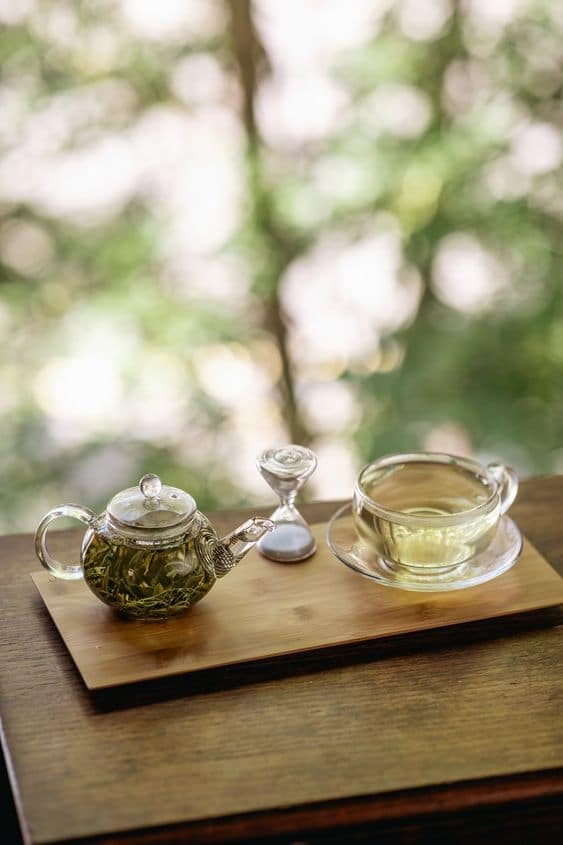
Tea

As you can see, both tea and coffee have both benefits and drawbacks if consumed in excessive amounts. Therefore, choosing the right amount is crucial. Health-conscious individuals tend to prefer tea over coffee, as it also contains other important substances, such as tannins and catechins. If you really want to drink tea or coffee, brewing it yourself is recommended. This is even better for your health, as you can control the amount of milk, sugar, and cream you add, which can contribute to obesity.

Source

https://www.sweetrevolution.co.uk/

https://www.pinterest.com/pin/841962092818083327/

Article from : Fuwafuwa
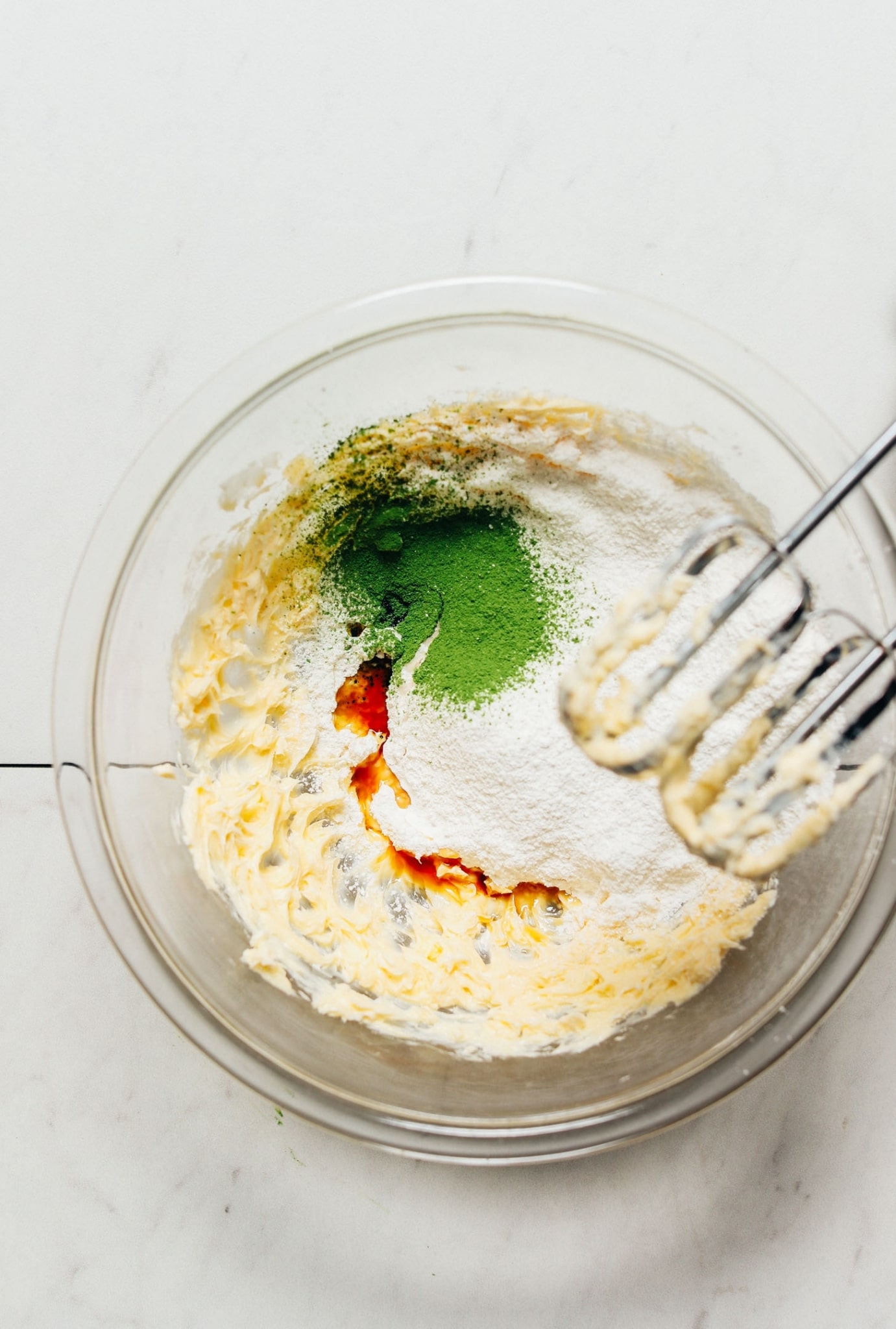
Making dessert fillings from matcha green tea powder

The technique of modifying ingredients and recipes to create a variety of flavors is something that bakery and cafe owners should know. Sometimes, many people go to study baking, but when they want to modify the dessert they learned to create the desired flavors, they end up using the wrong ingredients.

When making green tea cream as a filling for desserts, some people prefer to buy ready-made ones that are already available on the market for convenience. However, the flavor, intensity, and color of the green tea may not be as intended.

Matchazuki would like to share how to make green tea cream easily. If you are a Hojicha tea lover, you can replace the green tea powder in the recipe with Hojicha tea powder in the same amount. However, I recommend using green tea powder for desserts because it is delicious, has a beautiful color, and has a better taste than using tea leaves.

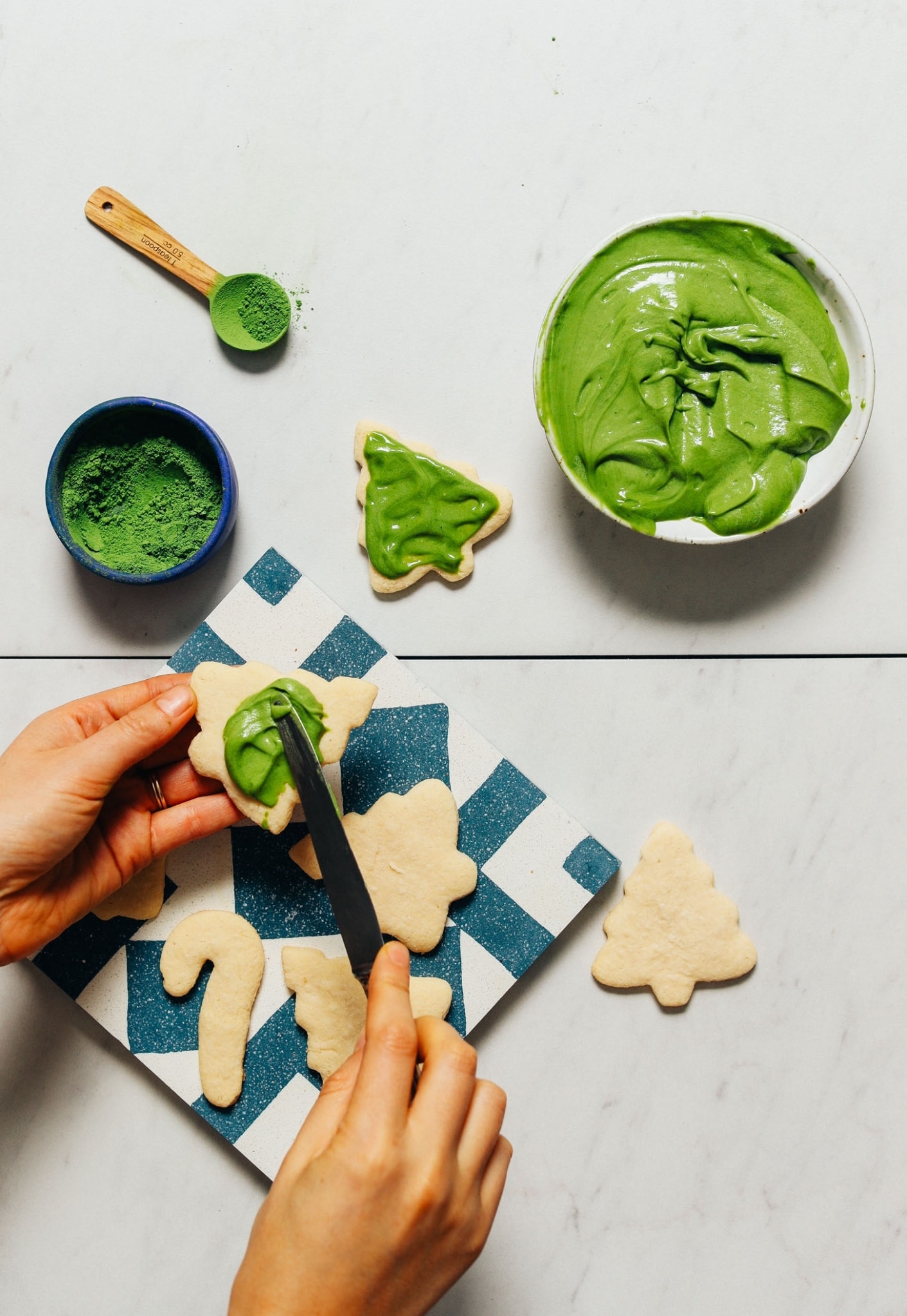
Matcha filling Matcha filling

If you’d like to try making your own matcha custard filling, it’s easy to make. Simply heat 125 ml. of milk in a saucepan until lukewarm (not boiling). If steam rises, turn off the heat. Then, beat 1 egg yolk with 35 g. of sugar until pale yellow. Sift 13 g. of cake flour and 1/2 teaspoon of 5 g. of matcha powder into the mixture and continue beating. Gradually pour the warm milk into the saucepan. Heat over low heat, stirring constantly with a spatula until the cream begins to thicken. If you see bubbles rising, heat for another minute and turn off the heat. Then, add the butter and stir until melted. Pour the cream into a flat plate, cover with plastic wrap, and refrigerate for about an hour. This type of cream has a thick texture similar to that found in cream-filled buns, making it perfect for filling bread or pies.

matcha cream

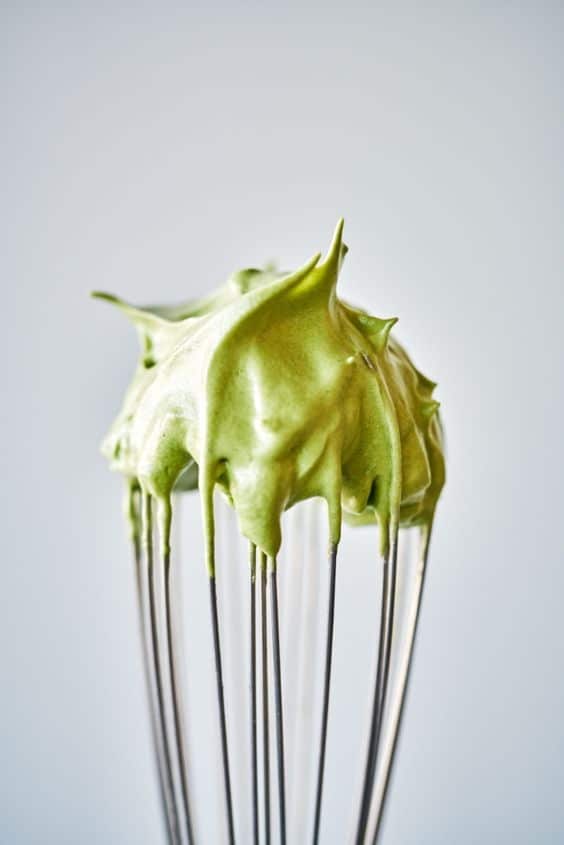
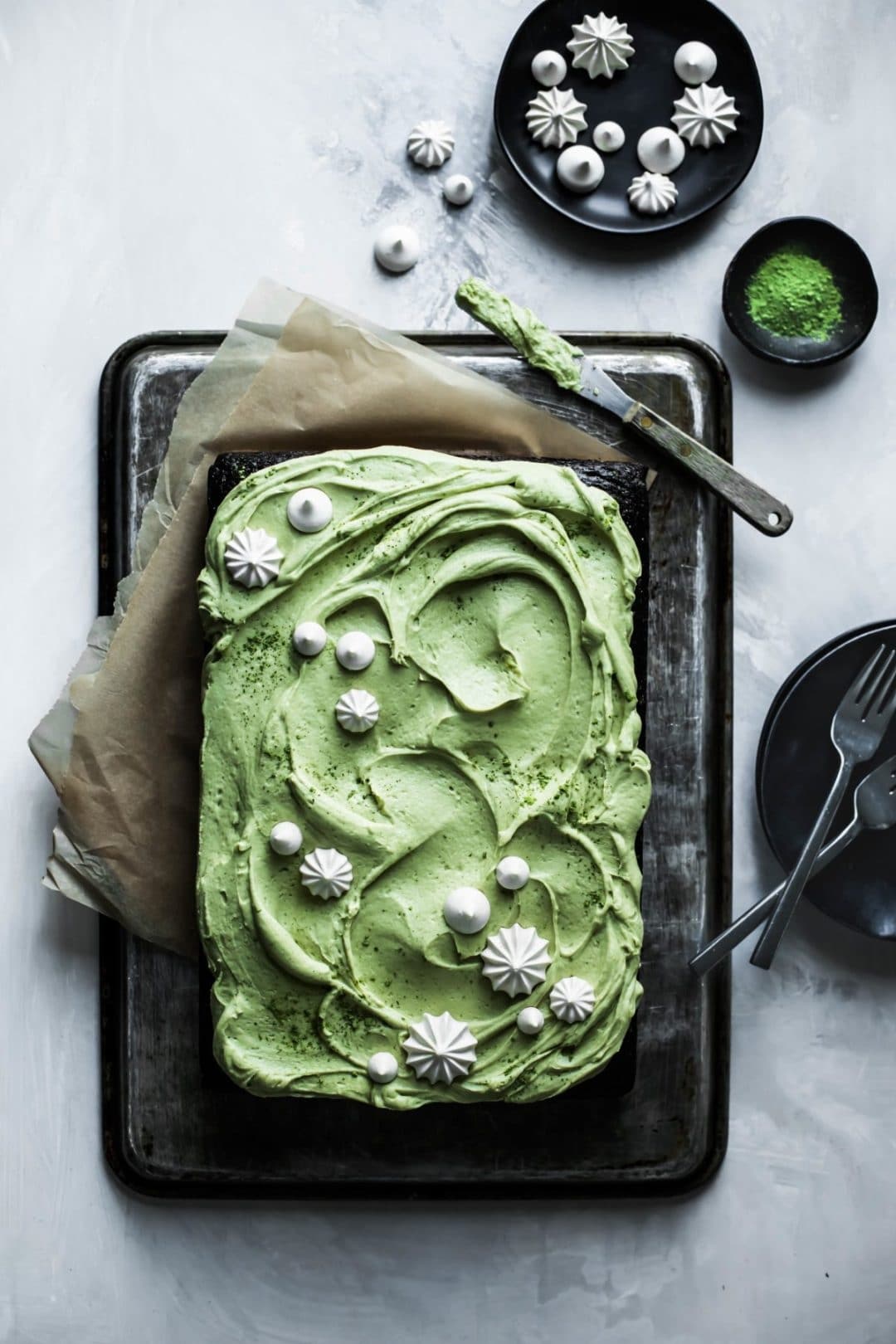
But if it’s green tea cream, the texture is soft and smooth. It can be used as a filling for cakes like crepe cakes, cream puffs, or roll cakes. This type of filling has a light, soft, and smooth texture. You can eat it continuously without it being heavy or greasy because it’s made from just 3 simple ingredients: 400 ml. whipping cream, 1/3 cup of green tea powder, and 1/3 cup of sugar. Mix them together and beat with a whisk until soft peaks form. You can tell when soft peaks form by stopping the whipping and lifting the whisk. The cream at the tip of the whisk will bend down slightly. This type of cream is soft and smooth. It’s often used in Japanese-style bakery products. However, if you beat it for too long, our soft green tea cream filling will turn into a heavy cream that can be used to spread around the cake for decoration or to squeeze the cream into various patterns.

matcha cream

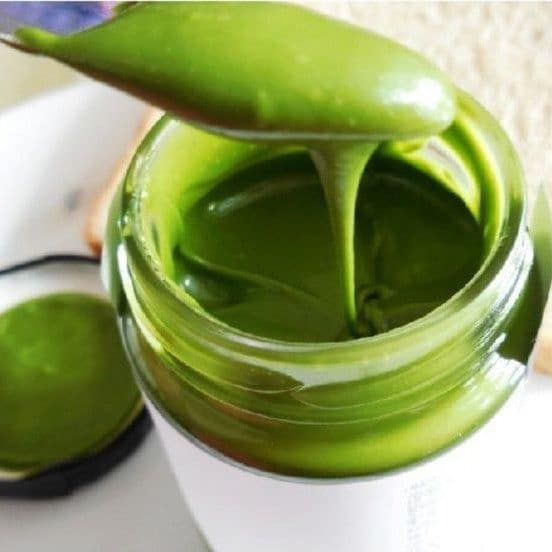
Or if it’s green tea spray to eat with bread, just mix 12 g green tea powder, 50 ml fresh milk, 150 ml fresh milk, 100 ml whipping cream, 40 g sugar together in a pot. Simmer over low heat for 15 minutes. You’ll notice that the mixture will reduce by 50% and become thicker.

matcha custard

But if you want matcha lava filling, start by mixing 1 ½ teaspoons of gelatin powder with 2 tablespoons of water. Stir well and set aside. Then beat 2 eggs, ½ cup sugar, and 4 tablespoons of cornstarch together and set aside. Put 2 cups of milk, 1 cup of whipping cream, ¼ cup of matcha powder, and ½ teaspoon of salt in a saucepan over low heat. Use a whisk to mix until the matcha powder dissolves well. Then pour in the egg mixture and stir until the mixture thickens. Once the milk mixture thickens, turn off the heat. Then add the prepared gelatin and butter and stir to combine. Place in the refrigerator until cool. Then put it on bread, steamed buns, or any other desserts that you want to make into lava. This one has a lava filling because it uses butter in the filling. When you reheat it and cut the dessert, it will have a flowing lava texture.

If you have other dessert recipes you’d like to make with matcha flavor but aren’t sure where to start, such as with a chocolate filling, you can simply replace the same amount of cocoa powder with matcha powder. For a richer, more vibrant color, try adding 2-5 grams of matcha powder at a time to avoid overpowering the bitterness. If you’re allergic to cow’s milk, you can also replace soy milk with cow’s milk. Now, you can easily adapt and create a variety of desserts to please MATCHA lovers, without relying on pre-made fillings that may contain preservatives or artificial flavorings, or using artificial green coloring instead of pure matcha powder. 🙂

Source

https://www.proportionalplate.com/dalgona-matcha-latte/

http://www.matcha.my/Blog/matcha-milk-jam-recipe

https://www.oliveandartisan.com/ Making dessert fillings from Matcha powder

https://minimalistbaker.com/vegan-matcha-buttercream-frosting-1-bowl/

Article from: Fuwafuwa

The distinct aroma of “Genmaicha”

When it comes to Japanese green tea, many people probably think of “matcha” first. This is because “matcha” is a high-quality green tea commonly used in tea ceremonies by the Japanese upper class. The process involves meticulously grinding the young tea leaves to achieve a well-rounded flavor. Another type of green tea that people around the world enjoy most is “sencha,” a refreshing and easy-to-drink green tea. However, there is another type of green tea that is becoming increasingly popular due to its distinct aroma, “genmaicha.”

genmaicha genmaicha

Genmaicha (玄米茶: Genmaicha) is a beverage that contains very little caffeine, less than other types of green tea. Therefore, it can be drunk anywhere, anytime, and by people of all ages. It is also inexpensive and easy to make.

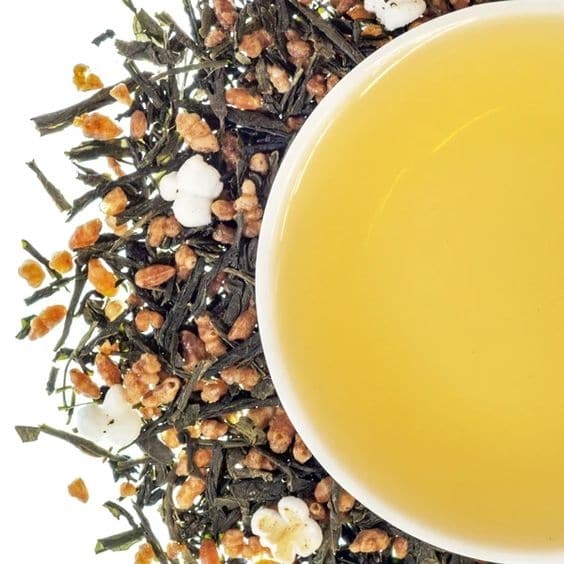
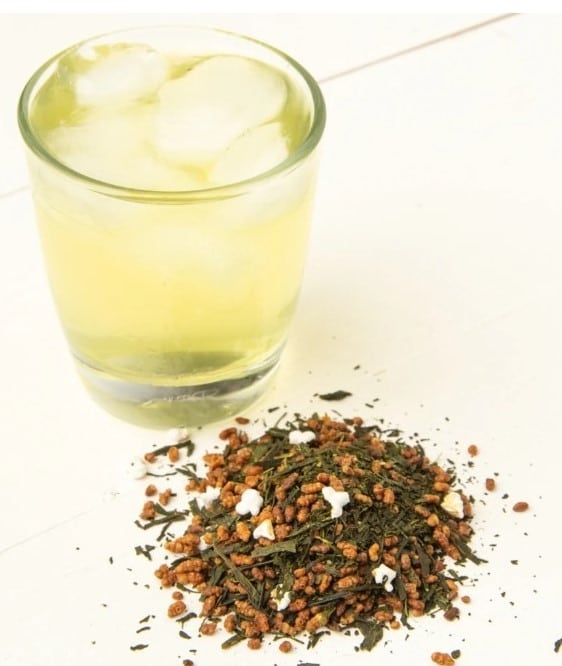
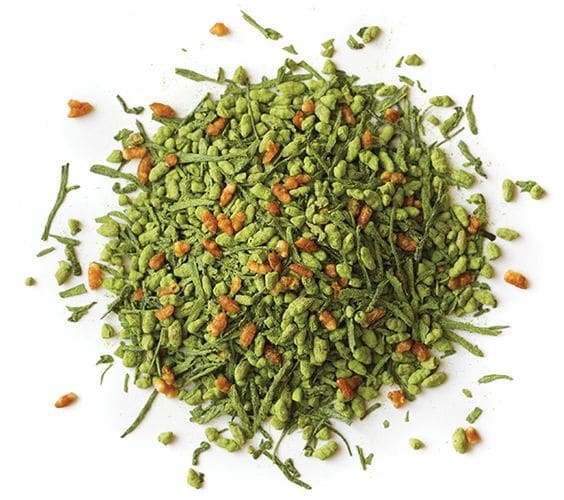
Another obvious difference from Genmaicha is the aroma that comes from blending the tea with roasted rice. This can be seen from the color of the tea leaves, which are not brown like 100% roasted rice, and not as green as regular green tea leaves. Instead, they are golden yellow, resulting from the roasted rice used in Genmaicha. This rice is carefully selected from the finest Japanese varieties and roasted at the right temperature. It is then dried and baked with the tea leaves in a 1:1 ratio, resulting in a tea with a unique aroma that cannot be found in other types of green tea. With a mild astringency and slightly sweet flavor, drinking Genmaicha with other menu items is a great combination.

The good taste of Genmaicha is partly due to the quality of the rice rather than the quality of the tea leaves. When roasting brown rice, be careful not to let it burst, like popcorn, which is called “popped rice.” If it bursts too much, the delicious quality of the tea will decrease when mixed with green tea.

As for nutritional value, it’s just as rich as other types of green tea. Genmaicha contains antioxidants that help strengthen the immune system, balance blood pressure, and reduce the risk of cancer and heart disease.

genmaicha

Some traditions say that Genmaicha originated with a Japanese tea merchant before World War II. He felt sorry for the rice he had offered to his ancestors, so he roasted it and mixed it with tea. Other traditions say it originated in Kyoto, where a wealthy and creative green tea merchant combined various ingredients with green tea leaves to create a unique, premium blend. One day, the merchant was having fun, so he experimented with roasted rice and green tea leaves to brew and drink, resulting in Genmaicha with both a unique aroma and flavor.

Tea made by mixing green tea leaves with brown rice. The brown rice is steamed and stir-fried until it turns a light brown color. It is mixed with tea leaves in a ratio of 1 to 1. This is the main reason why when we drink “Genmaicha” (玄米茶: Genmaicha) or “roasted brown rice tea”, we will get a fragrance that is unlike any other type of green tea. Actually, “Genmaicha” is a normal, inexpensive tea. When brewing, it must be brewed with 100 degree Celsius hot water for only 30 seconds because if it is steeped for too long, the tea will start to taste bitter and difficult to drink.

For this type of green tea, it is recommended to use hot water with a temperature of around 80–85 ° C and boil the tea for about 3–5 minutes. Boiling longer than this will make the tea taste more astringent.

genmaicha

Source

https://www.rishi-tea.com/product/gram-tin-genmai-matcha-organic-japanese-green-tea-blend/loose-leaf-tea

http://www.stocksy.com/22595

https://www.teasource.com/products/genmaicha-green-tea-blend

The distinct aroma of “Genmaicha” Article from: Fuwafuwa

How to ……. present TEA ?

Tea is a beverage that is popular all over the world. With its unique taste, aroma, and nutritional benefits, drinking tea is widely popular all over the world, including England, China, Japan, and even Thailand. The way tea is served in each country is different because the appearance, presentation, and serving of tea each time require delicacy in brewing. The environment for drinking tea may need to enhance the aesthetics of drinking with plants and flowers to relieve stress from work. The shop should not allow the smell of food to interfere with the aroma of the tea. The quality of the container used for drinking tea also has a significant effect on the level of deliciousness and the impression of the drinker.

Tea set Tea set

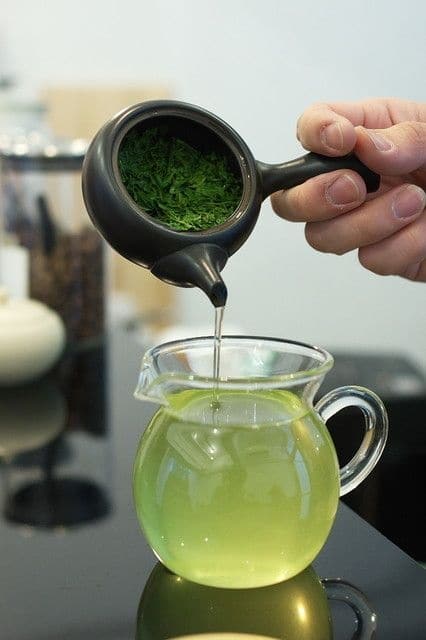
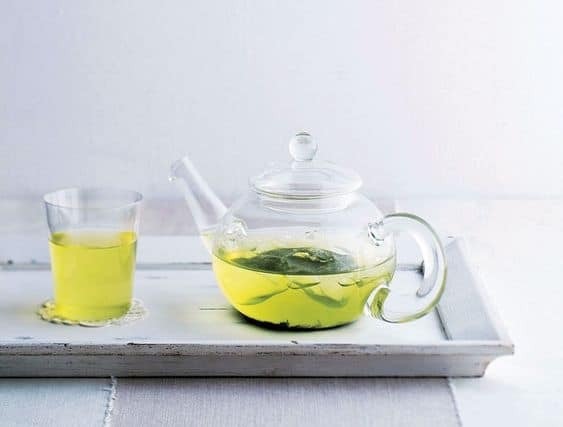
Serving in a rough and thick ceramic cup will create a very different effect when compared to the same tea served in fine porcelain, bone china or glass. Or the presentation of tea that many people may forget to think about is the presentation in three aspects: sight, smell and taste, so that the guest can experience it through the senses. Some shops therefore have different presentation styles, such as letting the customer drip the tea themselves, serving the whole teapot to make the tea set, which is another element that makes the customer’s photo look more delicious.

However, if any shop wants to serve tea in cups to customers, it is recommended to brew it fresh and hot every time and increase the enjoyment of drinking tea for customers by walking over to pour tea for customers at the table. This will allow customers to clearly experience the aroma of the tea while pouring it, better than pouring it from the back of the shop. It takes a long time to bring it to serve customers, which is a pity that the aesthetics of drinking tea are reduced.

Tea set

If you still don’t have an idea about what kind of tea to serve, try to find out what style of tea your shop has.

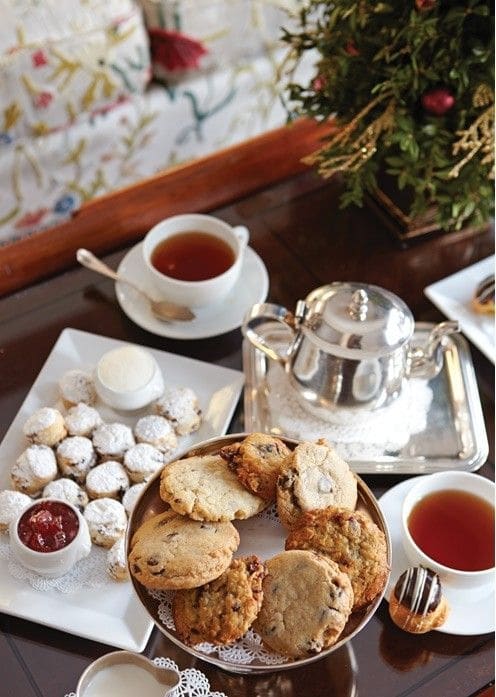
  1. Serving tea in the English style: The English love drinking black tea, which is one of the most popular teas in the world. It can be served straight from a glass, but if you want to experience the true English tea experience, you should choose the right teaware, including a teapot (Chinese or ceramic), teacups with saucers, sugar bowl, creamer, kettle, cups for discarding leftover tea or tea leaves, and snack plates.

British tea time usually starts around 4pm. If the shop wants to serve an Afternoon Tea set that serves tea with snacks, tea can be served anytime from 2pm to 5pm. Traditional afternoon tea is often served with small sandwiches, scones and a variety of pastries such as almond shortbread, cheesecake, macarons, biscuits or banana cake.

If you find a shop that wants to serve it with milk, sugar, or lemon, it is recommended to arrange them separately in the tea set so that customers can have fun and experience adding different ingredients to achieve the taste they like. However, it is not recommended to add lemon and milk at the same time because the citric acid of the lemon will cause the protein in the milk to harden into lumps. The recommended order is to pour the tea first, add sugar, and then gently place the lemon on the tea last.

Afternoon tea Afternoon tea

In addition to Afternoon Tea, there is also High Tea, which is popularly enjoyed from around 5 pm to 9 pm. The food served with tea at this time is heavier than Afternoon Tea, such as a hot dish, bread, potatoes, vegetables, cheese, meat, stew, Welsh muffins, pies or omelettes.

If your shop is an English tea shop, then offering Afternoon Tea and High Tea as a set menu is an interesting way to attract customers.

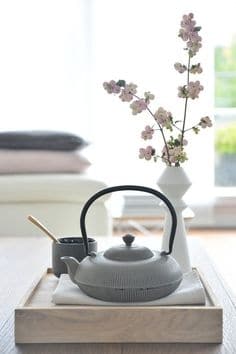
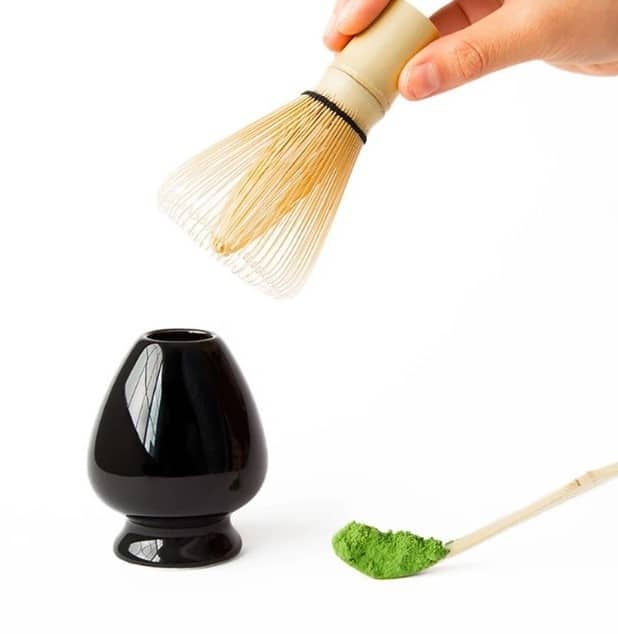
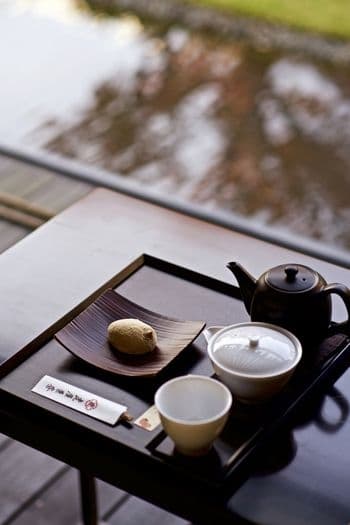
  1. Japanese style tea serving. I believe many people are already familiar with the Japanese style of serving, which emphasizes the simplicity of the design of the serving containers. The snacks that are popularly served are also small snacks called wagashi, which Japanese people like to finish eating before serving the tea. However, if a shop wants to add some Japanese style, there may be a small corner of the shop or at the counter bar that shows the traditional Japanese tea brewing ceremony using cha-chaku to scoop the tea powder, cha-sen to beat the tea powder to dissolve, and rotating the tea cup before drinking, as we often see in Japanese travel programs.

Some shops, if they are not very knowledgeable about tea culture, often play Japanese-style music or may have the sound of soft flowing water to help customers feel more relaxed.

Japanese tea Japanese tea

So, how do you serve tea at your shop? Have you forgotten the important points that should not be overlooked of the tea identity? Try spending some free time, enjoy your favorite tea, you might get an idea to present tea in your own style ^^

Source

http://casatreschic.blogspot.com

http://thecharmofhome.blogspot.com

https://thestrawberrynight.tumblr.com

http://teaismycupoftea.tumblr.com

K inarino.jp

Article from: Fuwafuwa

ถุงชาอันตรายจริงหรือ…… ?

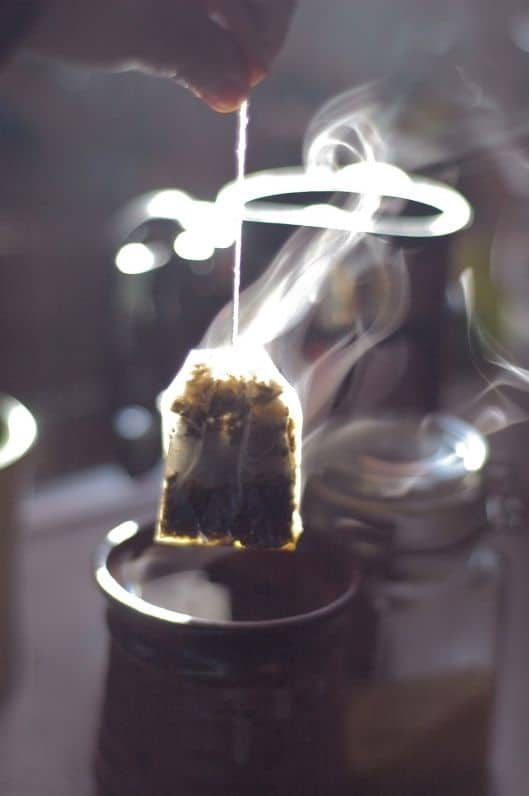
ชาที่เราซื้อตามซุปเปอร์เพื่อมาชงทานเองที่บ้าน มีทั้งแบบใบ ให้เรามาใส่ที่กรองชาเอง สำหรับคนที่ชื่นชอบการชงชาเองและมีเวลาในการพิถีพิถันดื่มด่ำกับการดื่มชา แต่ถ้าสายเร่งด่วน ขอสะดวกไว้ก่อนก็จะนิยมซื้อชาแบบที่แพ็คในถุงชา ที่จะมีเชือกยาวๆห้อยออกมาพร้อมติดแท็กโลโก้แบรนด์ เพียงแค่นำถุงชานั้นมาใส่น้ำร้อนแล้วก็ทิ้งไว้ ก็จะได้ดื่มด่ำกับชาอุ่นๆเข้มข้น

ถุงชา

แต่ช่วงหลังๆมาที่ทุกคนเริ่มหันมาใส่ใจสิ่งแวดล้อมมากขึ้น ถึงกับมีงานวิจัยออกมาเลยว่า ถุงชาพลาสติก 1 ใบ ปล่อยไมโครพลาสติก 11.6 พันล้านอนุภาค และปล่อยนาโนพลาสติกซึ่งขนาดเล็กจิ๋วยิ่งกว่า อีกจำนวน 3.1 พันล้านอนุภาค คิดรวมเป็นปริมาณละอองพลาสติกประมาณ 16 ไมโครกรัมต่อชา 1 แก้ว เป็นปริมาณที่สูงกว่าการปนเปื้อนพลาสติกในอาหารทุกชนิดที่เคยมีการรายงานก่อนหน้านี้ แม้จะยังไม่มีรายงานถึงผลของการกินไมโครพลาสติกเข้าไป แต่เพื่อสุขภาพที่ปลอดภัย และช่วยรักษาสิ่งแวดล้อมด้วยแล้ว ควรเริ่มจากการสังเกตง่ายๆว่าถุงชาแบบไหนที่ไม่ควรใช้

tea bag

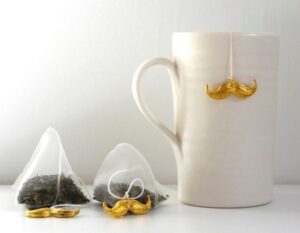
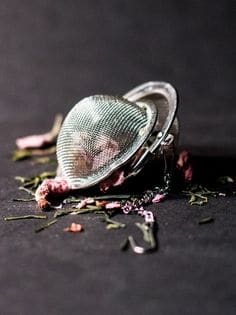
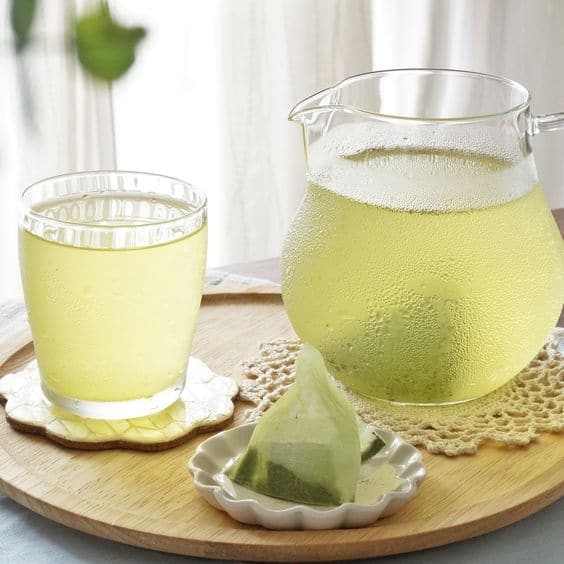
ถุงชาพลาสติกที่มีเนื้อผ้าตาข่ายดูวาวๆ ส่วนใหญ่เป็นถุงทรงปิระมิดฐานสามเหลี่ยม เป็นถุงชาที่ไม่ควรใช้เลย ถ้าจำเป็นต้องใช้ถุงชาจริงๆ แนะนำให้เลือกแบบถุงสีขาวที่ดูคล้ายกระดาษ ซึ่งอาจจะหายากหน่อยในท้องตลาดบ้านเรา ถ้าเป็นไปได้ แนะนำให้ใช้การชงด้วยการกรองใบชาออกด้วยที่กรองแสตนเลสที่มีให้เลือกหลายรูปแบบ หลายขนาดตามปริมาณใบชาที่ต้องการชง ล้างซ้ำใช้ได้บ่อยเท่าที่ต้องการ หรือถ้าใครยังเคยชินกับการชงชาโดยใช้ถุงชา แนะนำให้หาซื้อเฉพาะถุงชากระดาษ 100% ที่ไม่ฟอกขาว แล้วซื้อใบชาเป็นห่อใหญ่ๆมาตักใส่ถุงชาเองอีกวิธีคือถุงกรองชาชนิดผ้ากรองเศษใบชาเล็กๆ ได้ดีกว่าตะแกรงกรองสเตนเลส แถมยังล้างตะกอนใบชาออกง่าย และใช้ซ้ำได้นานหลายรอบเช่นกัน

ตะแกรงร่อนชา

อย่างไรก็ตามใครที่ใช้ถุงชากระดาษเสร็จแล้ว อย่าเพิ่งเอาไปทิ้งทันทีนะ เพราะมันยังมีประโยชน์มากกว่าที่คิด เช่น

  • ถุงชาที่ใช้แล้วรองก้นกระถาง โดยวางปิดไว้ที่รูระบายน้ำ จากนั้นก็ค่อยเทดินและปลูกต้นไม้ลงไป ถุงชาก็จะช่วยรักษาความชื้นและน้ำในดินเอาไว้ ไม่ให้ระบายออกมาเร็วเกินไป แถมยังเป็นการเพิ่มสารอาหารให้กับดินไปพร้อมกันด้วย
  • กลิ่นติดมือที่ใช้สบู่ล้างไม่ออก ไม่ว่าจะเป็นกลิ่นกระเทียมหรือหัวหอมก็กำจัดไม่ยาก โดยนำถุงชามาถูมือให้ทั่ว ทั้งฝ่ามือและตามซอกนิ้ว จากนั้นก็ใช้สบู่ล้างมือตามปกติ เพียงแค่นี้กลิ่นเหม็นก็หายไปแล้ว
  • เอาถุงชาที่ใช้แล้วนำไปตากแห้ง แล้วใส่ทิ้งไว้ในรองเท้า 1 คืน ก็ไม่เหลือกลิ่นเหม็นจากรองเท้าให้กังวลอีกต่อไป
  • หย่อนถุงชาที่ใช้แล้ว 2-3 ถุงลงไปในอ่างจานล้างจานที่แช่จาน แล้วทิ้งไว้ประมาณ 5 นาที ถุงชาก็จะช่วยดักจับคราบมันเอาไว้ แค่ล้างตามปกติ จานที่มีคราบมันมากๆก็จะกลับมาสะอาดวิ้ง
  • หยดน้ำมันหอมระเหยกลิ่นเปเปอร์มินต์ลงไป แล้ววางไว้ตามกล่อง ลิ้นชัก ตู้เก็บของ หรือบริเวณที่มักจะมีแมลงมาทำรัง ก็ช่วยป้องกันไม่ให้สัตว์อันตราย เช่น มดหรือแมงมุม กลับมาอีก
  • แก้ปัญหาตาบวม เนื่องจากชามีสารแทนนินที่มีคุณสมบัติสามารถลดอาการบวมได้ ดังนั้น หลังจากที่เราใช้ถุงชาเสร็จแล้ว ควรนำถุงชาที่กำลังอุ่นๆ อยู่นั้นมาวางแปะลงบนเปลือกตาประมาณ 5-10 นาที อาการตาบวมก็จะค่อยๆ บรรเทาลงและหายไปได้
  • บรรเทาอาการแสบร้อนจากแสงแดด เพียงนำถุงชาไปแช่ตู้เย็นสักครู่เพื่อให้ความเย็น จากนั้นนำมาประคบลงบนผิวที่มีอาการแสบร้อน นอกจากผิวที่ได้รับความแสบร้อนจากแดดเผาแล้ว การที่ผิวของเราไปถูกความร้อนอย่างอื่นมาก็สามารถใช้ถุงชาเย็นๆ มาประคบได้เช่นเดียวกัน

ที่มา

https://theherbalacademy.com/free-ebook-herbal-tea-throughout-the-seasons/

http://katescreativespace.com/2012/09/09/tea-with-a-twist/

https://www.sanook.com/women/79957/

บทความจาก : Fuwafuwa

Is a Chashaku (茶杓) Bamboo Spoon Really Necessary?

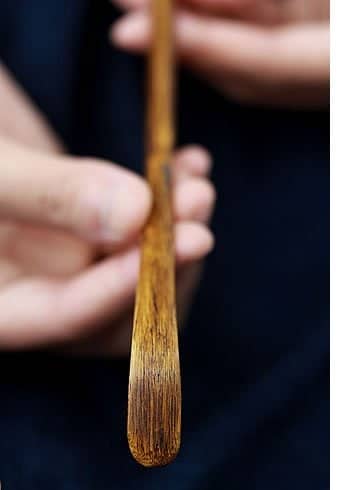
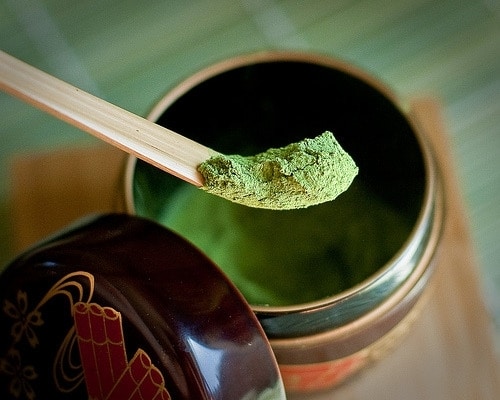
The matcha powder scoop, or Chashaku (茶杓), originated in the past when green tea from China was introduced to Japan. Japanese people used ivory tea scoops imported from China. However, in recent times, bent bamboo tea scoops have also begun to appear. It is believed that the person who invented the current shape of the Chashaku was Murata Juko, the first person to develop the Zen tea ceremony. The reason for choosing bamboo instead of ivory was because they wanted the tea scoop to be simple and not as extravagant as ivory, because the Zen sect has a simple idea based on Zen Buddhism.

ChashakuChashaku

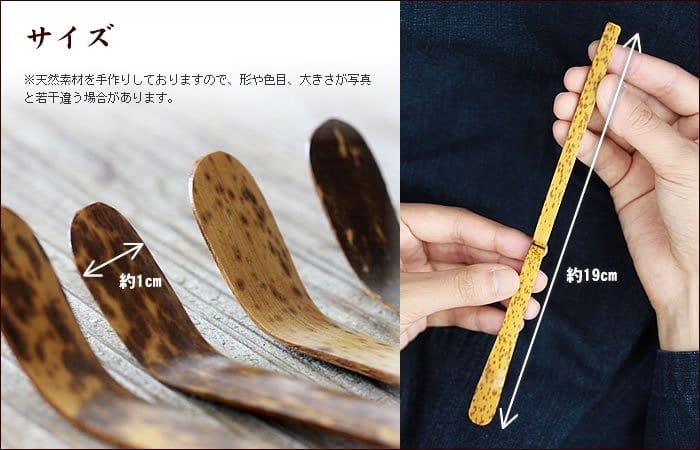
The best features of Chashaku are that they are mostly made of bamboo and have a 1 cm wide spoon tip. In order to scoop the appropriate amount of tea powder, which is about 1 gram, in the tea ceremony, 2 grams of tea are used, meaning scooping the tea with Chashaku 2 times without using a scale. In addition, the handle should be 19 cm long. It is the perfect length for use in the Japanese tea ceremony.

ChashakuChashaku

Scooping green tea powder to make tea can actually use a stainless steel spoon or other types of spoons. It is not necessary to use Chashaku, but you will see that many cafes and Japanese tea ceremonies prefer to use Chashaku because of the properties of bamboo. When it comes into contact with green tea powder, the taste will be consistent. And with the amount of tea that Chashaku can scoop each time, in addition, the bamboo of the Chashaku spoon also keeps the nutritional properties of green tea intact. It is easy to use by using a dry cloth or tissue to wipe the tip of the spoon dry before storing it in a box. It should not be washed with water. And Chashaku also gives a sense of authentic Japan. However, the Chashaku spoon is only for scooping tea powder. It is not for scooping other types of tea leaves.

Chashaku

But nowadays, Chashaku spoons are increasingly made from other materials besides bamboo, following the changing times, such as stainless steel, metal, or other types of hardwood. Metal spoons have a rounded tip, similar to the common teaspoons we use for making desserts. However, you have to choose carefully because sometimes you can scoop up inconsistent amounts of tea.

Source

https://www.edenfoods.com/store/matcha-spoon.html

https://oideyasu.tumblr.com/post/64615700994

https://www.taketora.co.jp/fs/taketora/sa00235

https://www.pinterest.com/pin/353110427034464612/

Article from: Fuwafuwa

3 popular Japanese snacks that are often eaten with green tea

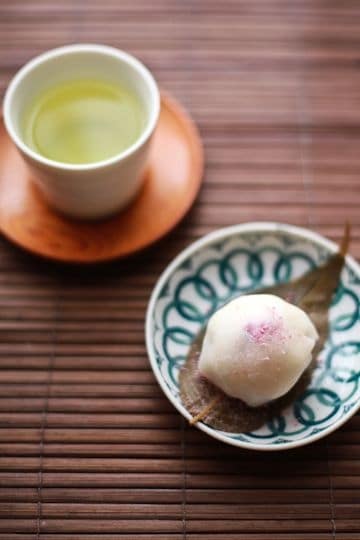
Many people already know that Japanese people like to eat green tea with Japanese sweets, or wagashi. Although there are many other sweets that can be eaten with green tea in the tea ceremony, the sweets that are ranked as popular with people drinking tea and that Thai people know well are:

WagashiWagashi

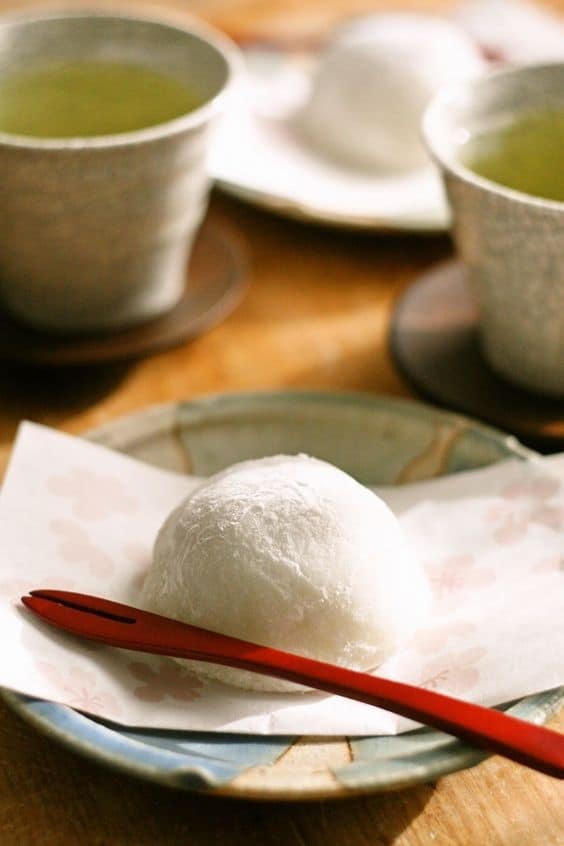
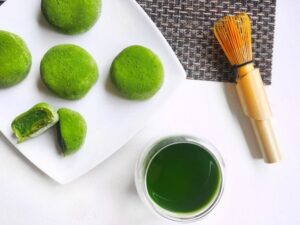
No. 1 is Daifuku, a soft and chewy mochi dessert that comes with a variety of fillings, such as green tea lava, green tea red bean, and some brands also add fruits to enhance the delicious taste. The dessert tastes sweet and is served with hot green tea, making it a perfect combination of deliciousness.

Daifuku Daifuku

For those who want to try making their own daifuku and serve it with tea at the shop, adding a Japanese style to the menu in the shop can be done easily and can be further developed by changing the flavor of the dough to make fuku or fillings as desired.


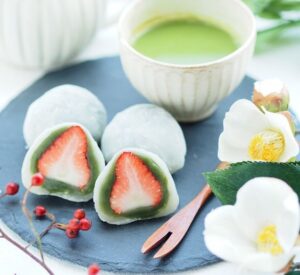
Green tea strawberry daifuku menu

  1. 100 grams of glutinous rice flour
  2. 20 grams of tapioca flour (for making dusting powder)
  3. 10 grams of matcha powder
  4. 50 grams of granulated sugar
  5. 150 ml. plain water
  6. 200 grams of ready-made white bean paste + 5 grams of green tea powder
  7. Strawberry

method

  1. Mix glutinous rice flour, matcha powder, and sugar in a microwavable container. Gradually add water and mix until the flour is no longer lumpy and the consistency is thick.
  2. Put the flour mixture in the microwave, covered with plastic wrap or in a covered container to prevent the surface from drying out. Microwave on high for 3 minutes, stirring every 1 minute. Observe the flour. If it is cooked, it will turn into a clear flour and will form into a lump.
  3. Take the cooked flour and mix it with flour. Divide it into equal parts. Flatten the dough into a round sheet. Add the white bean filling mixed with green tea powder to form a single texture that wraps the strawberries. Shape it into a round ball. Mix it with flour to prevent the daifuku from sticking together. It’s done.

Normally, when serving daifuku, there will be a small stick or Kuromochi (黒文字) which symbolizes eating the dessert by cutting it into bite-sized pieces before eating. Usually, the dessert is not very big and can be cut into about 3-4 times.

Sembei

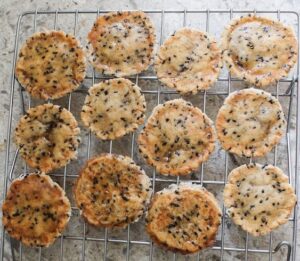
Next up is sembei, a crispy rice cracker that comes in a variety of shapes, sizes, and flavors. It is usually salty (a flavor from soy sauce), but sweet flavors can also be found. Sembei are usually eaten with green tea as a snack and served to guests at home. Sembei are usually baked or grilled in the traditional way. During cooking, the sembei may be brushed with a seasoning sauce, most commonly made from soy sauce and mirin, and then wrapped in seaweed and seasoned with salt. Sembei are served with tea without the Kuromochi sticks like daifuku, and it is known that it is polite to eat them with your hands.

DangoDangoDango

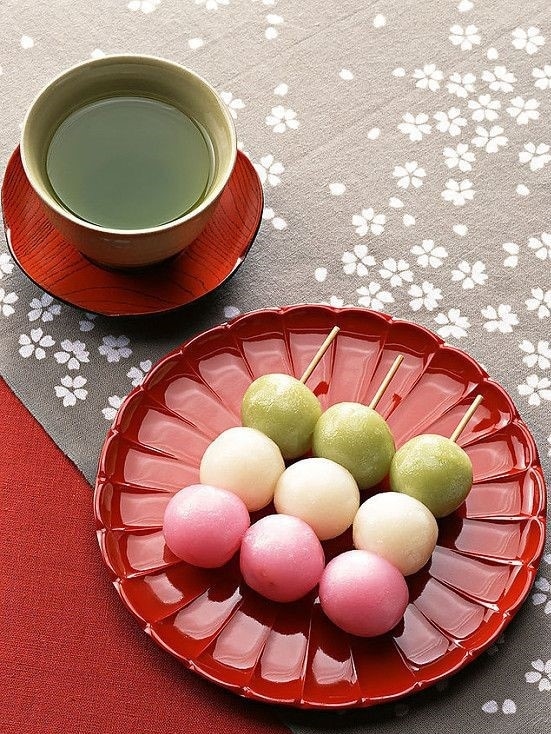
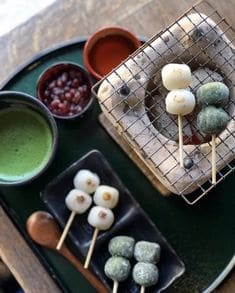
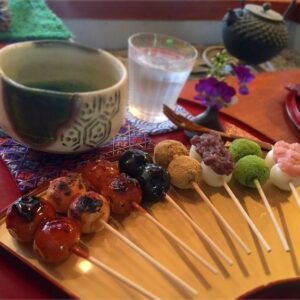
Ranked third is Dango, a Japanese sweet made by molding sweet rice flour and boiling it. Sometimes it is eaten with sweet soy sauce, red bean paste, or green tea, or sometimes it is grilled over a low heat before being eaten with various sauces to enhance the flavor. Dango can be modified to have many flavors and is served on a stick before being grilled or topped with sauce. It is easy to pick up and eat, so it has become a popular snack for Japanese people to eat with green tea. It tastes best when eaten with Ryokucha green tea. It is said that in Japan, rice flour has been used in cooking since ancient times. Mitarashi dango comes from the air bubbles that form when filtering pure water from the Mitarashi well, which flows at the entrance of Shimogamo Shrine. In the past, Mitarashi dango were skewered with 5 dango balls per stick, with the top dango representing the head, the next 2 representing the arms, and the other 2 representing the legs. If you offer dango to the gods, it is believed that they will become the representative who will take away the bad luck instead of you.

If any shop would like to try making dango by themselves, the shop can do so. The method is similar to making bua loy in our country.

Ingredients: 250 grams of white tofu, rice flour (or mochi flour) + 200 grams of sugar.

Easy to make: First, knead the tofu and rice flour together with your hands until the dough is soft, not too soft and not too hard. Then, shape it into a ball. Boil water in a large pot until it boils and add the dango balls. Continue to boil until they float to the surface. When they float to the surface, boil for another 2-3 minutes and scoop them out and place them on a paper plate. Skewer them and eat with sauce or grill them over low heat as you like. Serve with the shop’s hot green tea. We guarantee that customers who come to the shop will feel like they have gone to Japan.

Source

https://www.pinterest.com/pin/325807354293426536/

https://moichizen.exblog.jp/13348925/

https://www.pinterest.com/pin/14707136267674817/

https://www.japancentre.com/en/recipes/1669-matcha-ganache-filled-strawberry-daifuku

Article from: Fuwafuwa

Did you know why tea turns sedimentary when it cools?

Have you ever had green tea and had the green tea powder settle to the bottom as sediment?

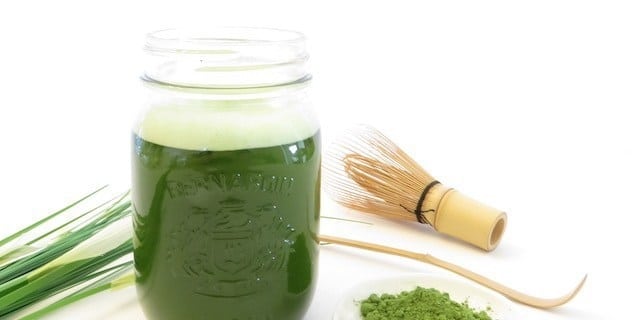
The sediment you see is actually incompletely dissolved tea powder. This is partly due to poor brewing, as good matcha powder is quite fine and cannot be completely dissolved by hot water using a regular spoon. Instead, you should use a tea brush, also known as a cha-sen, to make the tea easier to dissolve. If your shop doesn’t have a cha-sen, you can try using a shaker or a hand whisk instead, which should help dissolve the tea powder.

Tea sediment

However, some people find that after brewing tea, sedimentation can occur over time. Even commercially packaged green tea is often labeled “may contain natural sediment, which is not harmful to the body.” Therefore, it is quite normal for sediment to escape from a bottle of tea after brewing.Matcha Matcha

The dust particles in tea are a result of precipitation, called ‘tea cream’. This occurs when the tea is cooled below 40 degrees Celsius. Compounds in the tea, such as caffeine and polyphenols, coagulate weakly. If milk is added to the tea, the reaction between the milk proteins and the polyphenols occurs, resulting in more precipitation.

However, mixing tea and freshly brewed water together can also cause the tea leaves to settle at the bottom of the teapot. To minimize contact between the tea leaves and water, it is recommended to stir the tea each time to stimulate the tea and ensure proper dissolution.

In some shops, if the tea doesn’t settle at all, it may be suspicious that the shop isn’t actually using matcha powder. Instead, they might be using green tea syrup, or they might be using pre-mixed tea to shorten the brewing time. This results in a lower price depending on the ingredients used.

In addition to the sediment that often forms at the bottom of the cup, it is sometimes found that tea leaves or dark tea leaves float on top of the brewed tea instead of settling at the bottom. This is the result of high molecular weight components, made up of calcium and bicarbonate ions, at the surface of the water. Normally, tea leaves form in highly concentrated teas. However, consuming less than 1 milligram of tea leaves or sediment in a cup of tea is not harmful to the health of the drinker.

Matcha Matcha

Source

https://japanesegreenteaonline.com/

https://www.stylecraze.com/trending/tea-drinks-for-weight-loss/

http://www.honannchasou.net/shihou_18.html

Article from : Fuwafuwa

Design beverage packaging to appeal to customers.

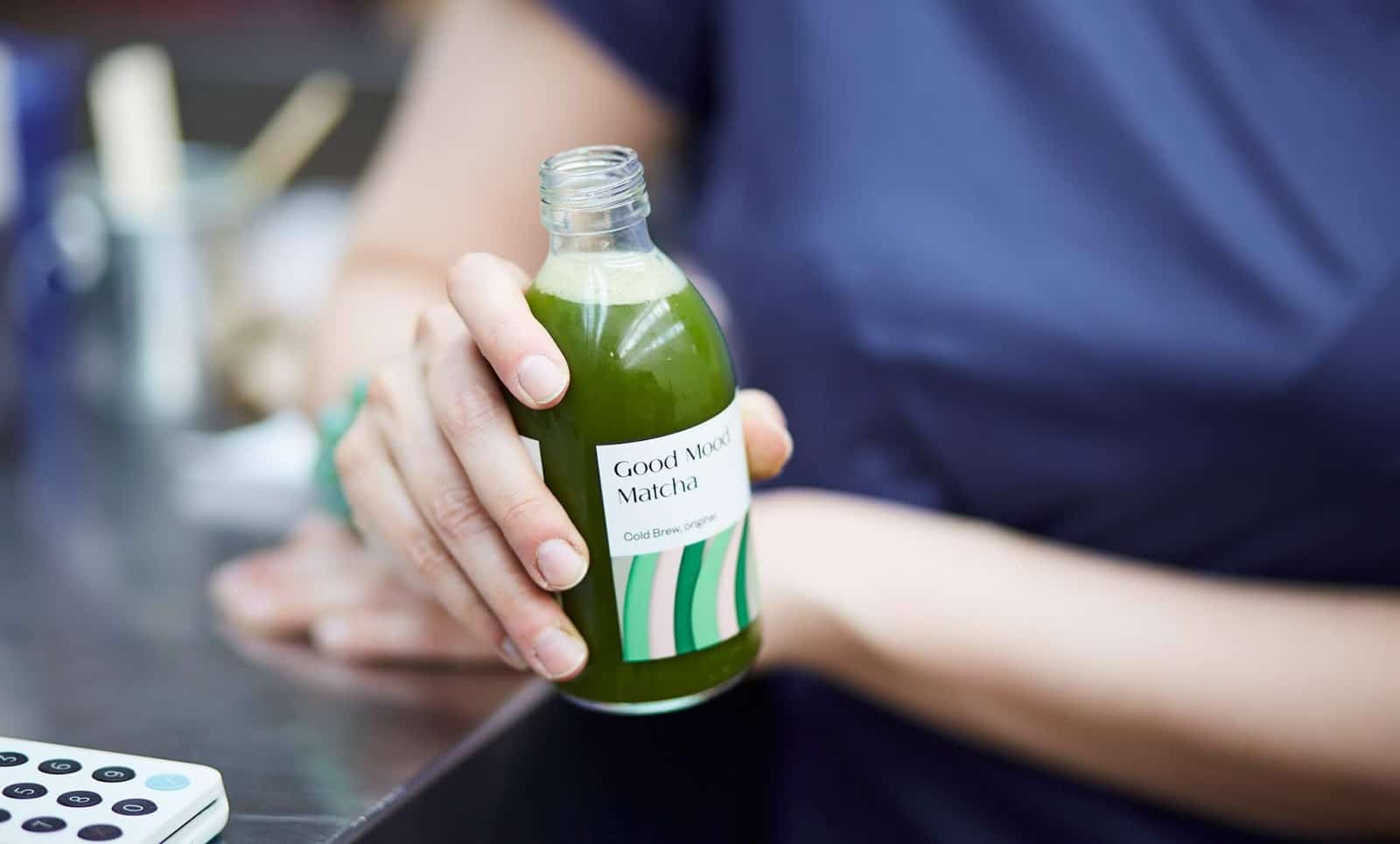
เคยสงสัยมั้ยว่าสินค้าดีมีคุณภาพ บางทีก็อาจจะไม่ดึงดูดใจลูกค้า เพราะในยุคสมัยนี้ Packaging เป็นอีกเรื่องที่ผู้บริโภคให้ความสำคัญไม่แพ้กัน ยิ่งช่วงนี้ผู้บริโภคหันมาสั่งอาหารดิลิเวอรี่กันมากขึ้น ขวดบรรจุชาพร้อมดื่ม ที่ไว้ใส่เครื่องดื่มให้ลูกค้าที่สั่งดิลิเวอรี่ จึงกลายเป็นอีกสิ่งที่ต้องให้ความสำคัญไม่แพ้คุณภาพและรสชาติของชาขวดนั้นๆ

matcha package

สิ่งที่ต้องคำนึงถึงในการออกแบบขวดชาพร้อมดื่ม

1. ขวดชาต้องมีเอกลักษณ์ ง่ายต่อการจดจำจะทำให้สินค้าของเราโดดเด่นออกมาจากสินค้าชนิดเดียวกันที่อยู่ตามท้องตลาด อาจใช้สีในการแบ่งแยกประเภทชา เช่นชาเขียว ขวดสีเขียว ชาโฮจิฉะ ชวดสีเทา ชาอู่หลงขวดสีเหลือง หรือการใช้รูปทรงของฉะเซ็นที่ช่วยให้ลูกค้าจำและนึกถึงชาของที่ร้านได้ง่ายขึ้น เป็นต้น

matcha packaging

2. ขวดต้องเปิดง่าย ใช้งานได้สะดวก หลายครั้งที่บรรจุภัณฑ์มีฟังก์ชันและลูกเล่นที่โดดเด่น น่าสนุก แต่กลับต้องเสียกลุ่มลูกค้าไปเพราะใช้งานยาก ขนส่งแล้วหก ถือแล้วเปื้อนมือ จะทำให้ลูกค้ารู้สึกว่าสินค้าของเรานั้นเป็นภาระนั่นเอง

3. อย่าลืมเรื่องราวของแบรนด์และสินค้าไม่ว่าจะเป็นแนวคิด แรงบันดาลใจ ภูมิหลัง ถือเป็นกิมมิคเล็กๆ ที่จะช่วยสร้างการรับรู้และทำให้ผู้บริโภครู้จักแบรนด์และสินค้าของเราได้ลึกซึ่งยิ่งขึ้นเอาเรื่องราวมาสร้างสรรค์ด้วยกราฟฟิคดีไซน์บางจุด อาจจะเป็นการใช้ไอค่อนเล่าเรื่องราว หรือเป็นการติดแท็กเพิ่มเติมที่ขวด ก็ช่วยให้ลูกค้าอินไปกับสินค้าเราได้มากขึ้น แทนการเขียนทุกอย่างลงบนขวดชา

tea packaging

หลังจากที่คำนึงถึงเรื่องราวนี้แล้ว มาดูในเรื่องของเทรนด์การออกแบบบ้าง

1. Simple or Minimalน้อยแต่มาก เรียบแต่โก้ เป็นหนึ่งเทรนด์การออกแบบบรรจุภัณฑ์มาแรงที่เอาชนะใจลูกค้าได้อย่างดีเยี่ยม เทรนด์นี้เป็นที่นิยมในกลุ่มคาเฟ่ และร้านขนมช่วงนี้ ดีไซน์ที่ขาวสะอาด สีสันสบายตา มีภาพและตัวอักษรน้อยๆ ออกแบบอย่างเรียบง่าย แต่อัปโหลดลงอินสตาแกรมได้อย่างมีสไตล์ สามารถครองใจลูกค้ายุคนี้ได้แน่นอน

green tea package

2. Collaboration เป็นการออกแบบบรรจุภัณฑ์ผ่านการร่วมมือกันของแบรนด์ 2 แบรนด์ โดยการนำโลโก้หรือจุดเด่นของแบรนด์นั้นๆ มารวมกันไว้บนบรรจุภัณฑ์เกิดเป็นดีไซน์ใหม่ที่น่าสนใจ อย่างเช่น การให้นักวาดภาพ illustor ชื่อดัง มาช่วยสร้างสรรค์ผลงานบนขวดชา หรืออย่างที่พบเห็นได้บ่อยในบ้านเราจะเป็ฯ น้องมะม่วง ที่มักจะไปโลดแล่นบนผลิตภัณฑ์ต่างๆนั้นเอง แต่ทั้งนี้ ก็อย่าลืมที่จะเลือกการ Collab ให้เหมาะกับสินค้าของทางร้านด้วย

3. Intelligent Packagingคือการนำเอาความก้าวหน้าทางเทคโนโลยีมาใช้ในการออกแบบ เช่น การใส่ QR code ลงไปเพื่อสแกนดูรายละเอียดของสินค้า หรือการใช้นวัตกรรมใหม่ๆ ที่จะช่วยให้บรรจุภัณฑ์เปลี่ยนสีเมื่ออาหารใกล้ถึงวันหมดอายุ ซึ่งในไทยมีการใช้นวัตกรรมนี้ค่อนข้างน้อย จึงสามารถเพิ่มโอกาสทางการตลาดได้ค่อนข้างสูงเลยทีเดียว

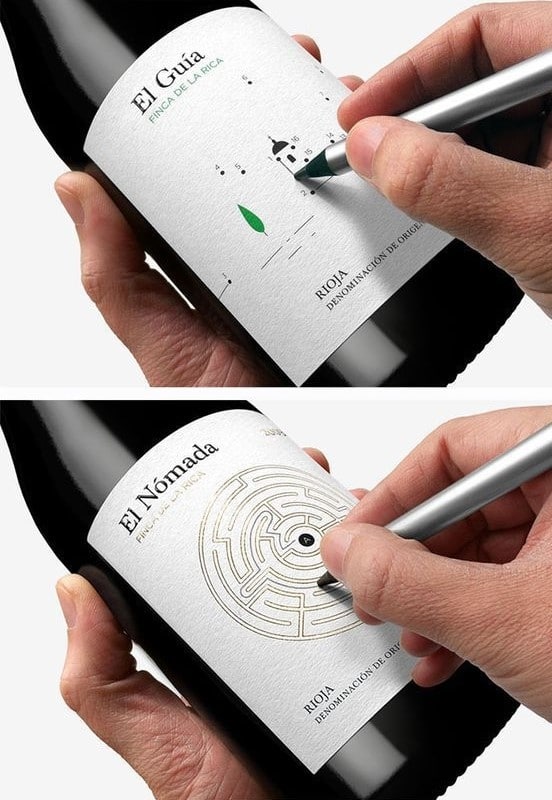
4. Personalized packaging เป็นการให้ลูกค้าออกแบบบรรจุภัณฑ์นั้นๆได้เอง เช่น สามารถเขียนข้อความลงไปได้ หรือวาดรูปลงไปเองได้ เพื่อให้ชาขวดนั้นๆ มีความแตกต่างและแสดงความรู้สึกของลูกค้าคนนั้นๆได้

matcha design package

เพราะการได้ซื้อของที่มีแพคเกจที่สวย เหมาะกับการถ่ายรูปลงโซเชียลนั้น นอกจากจะทำให้สินค้านั้นมี Value มากขึ้นในการที่จะส่งมอบให้คนอื่นๆในเทศกาลต่างๆแล้ว ยังเป็นการบอกต่อของผู้บริโภคด้วยกันเองโดยที่ทางร้านไม่ต้องเสีย Budget ในการทำการตลาดเลย

matcha bottle

ที่มา

https://www.pinterest.com/pin/542894930081180183/

https://www.pinterest.com/pin/628955904180276261/

https://www.packagingoftheworld.com

บทความจาก : Fuwafuwa


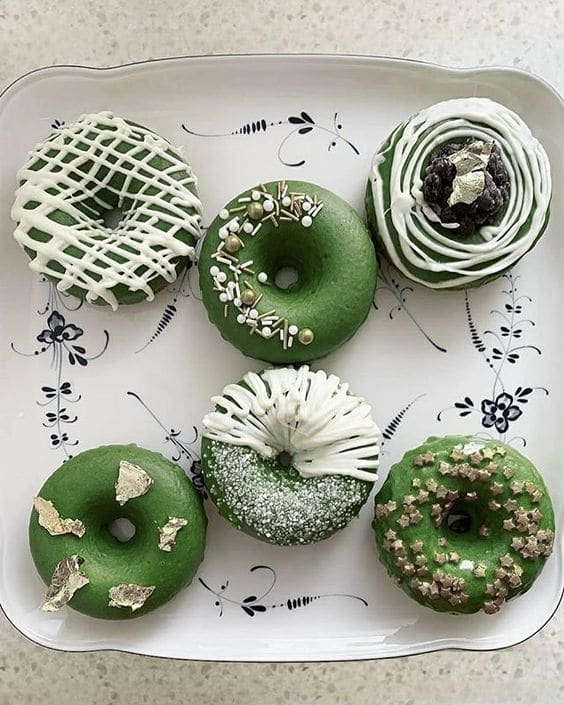
Various ideas with green tea donuts

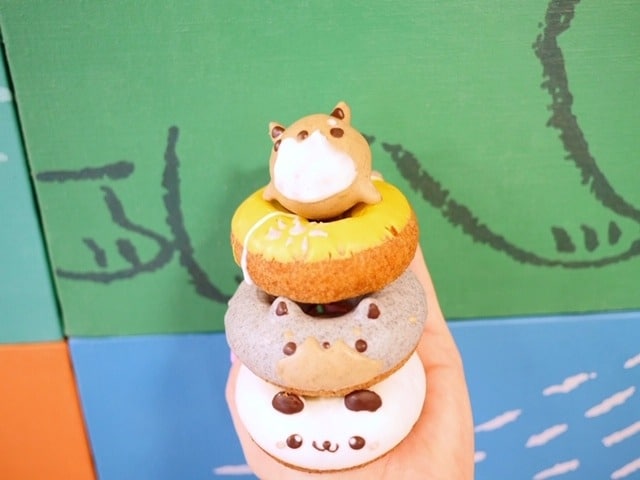
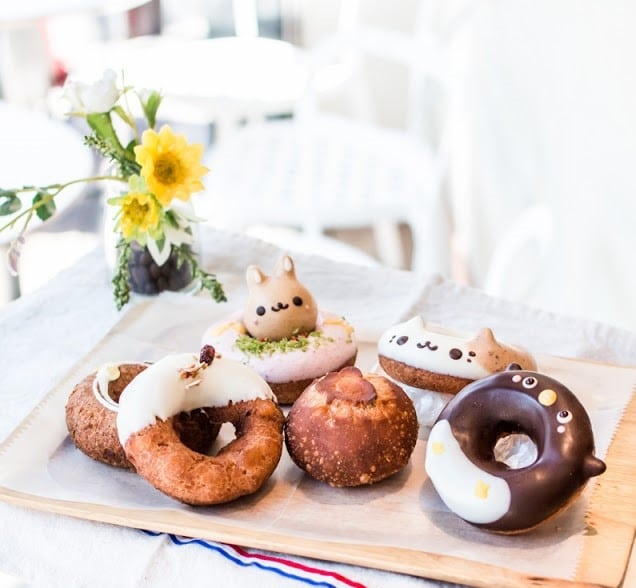
You’ll see that donuts are trending right now. Many shops are starting to make donuts in various forms. New shops that specialize in donuts are opening up. Even a famous fried chicken brand is mixing donuts into their menu at Matchazuki. So, we can’t miss out on some great ideas from a new donut shop in Kyoto, Koe Donut, and Floresta Nature Donuts, a donut shop known for its cuteness, one of Japan’s top shops.

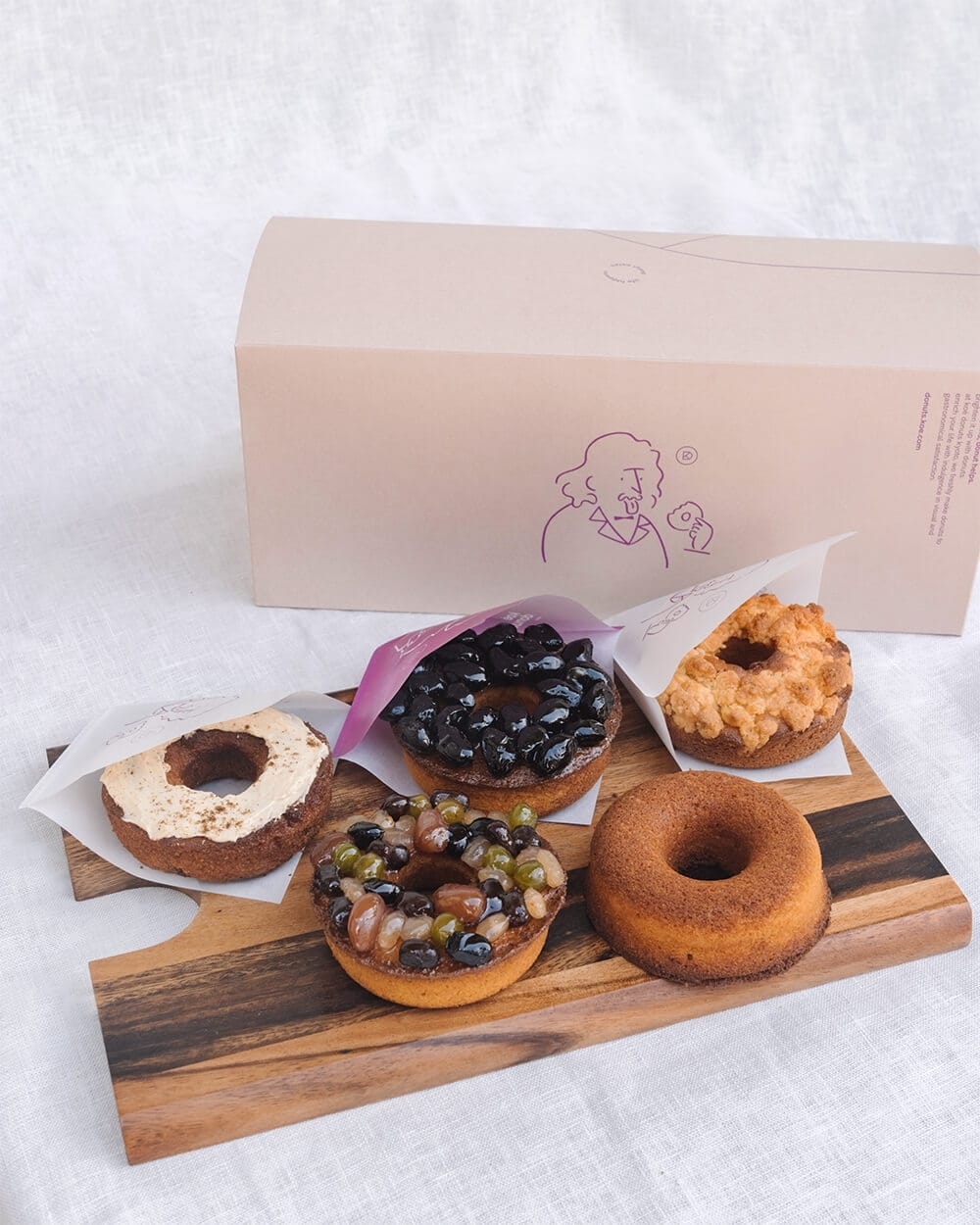
At Koe Donuts, you’ll find a variety of unusual donuts and flavors not available in Thailand, including the matcha donut topped with pistachio nuts. While every donut in the shop is made with simple ingredients for a traditional donut taste, the freshness of the donuts, made in-house every morning, and the abundance of creative ideas make this shop a must-visit for anyone visiting Kyoto. The shop also features a “Powder Factory,” where you can watch the donuts being made live while enjoying them. The brand’s goal is to create a connection between Japanese culture, fashion, modern design, and food, and to share this message with the world in various forms. Therefore, each donut is beautifully presented and unlike any other, such as using large beans, a signature ingredient in Japanese wagashi (Japanese sweets), as a topping. Kyoto is renowned for its delicious matcha, so the shop offers the Uji matcha tiramisu donut melt, which reimagines the familiar donut experience in the form of a cake.

Koe Donuts  Koe Donuts

See the map : https://goo.gl/maps/cpa9MAamNvmZMzDb8

See more ideas at https://www.instagram.com/koe_donuts/?hl=en

Floresta nature donuts

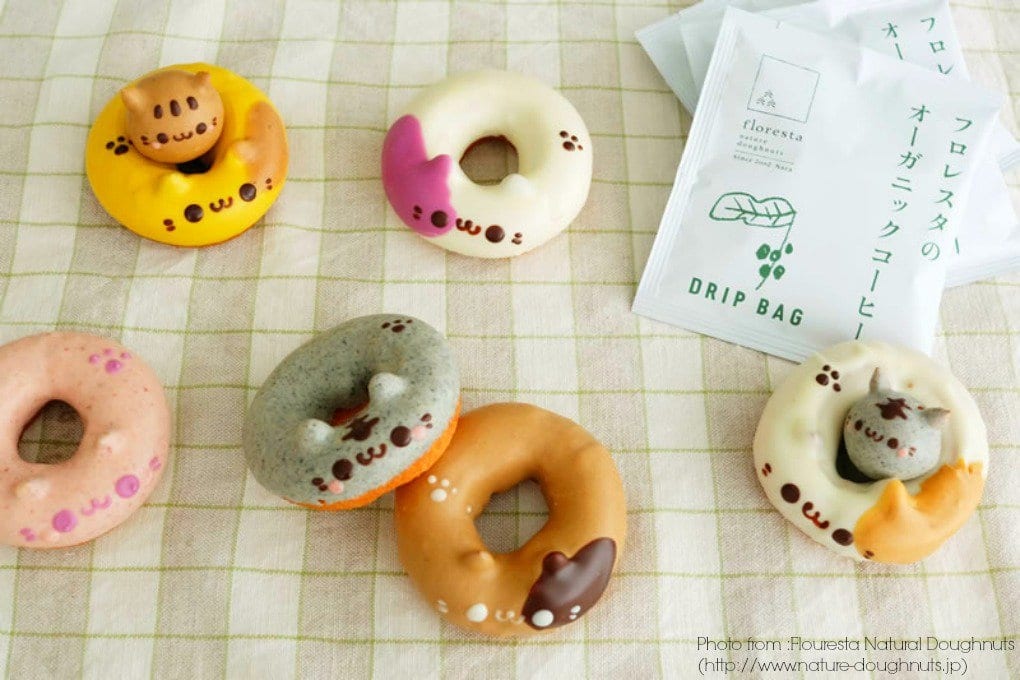
Another shop that many people are already familiar with is Floresta nature donuts in the Koenji area of Tokyo. This shop uses organic flour, the doughnut texture is a bit coarse, typical of wholewheat flour, and they come in many shapes. They also have donuts shaped like cute animals, using various flavors of glaze, such as green tea, chocolate, and strawberry, to make the desserts cute and bright. Forget the image of normal round donuts with a hole in the middle. This shop has many branches outside of Tokyo, including in Nara, Kyoto, and Osaka.

Floresta nature donuts  Floresta nature donuts

After getting creative ideas for donuts in various forms, we will continue with ideas for green tea donut menus with 3 types of decorations that use few ingredients and are very easy to make, including:

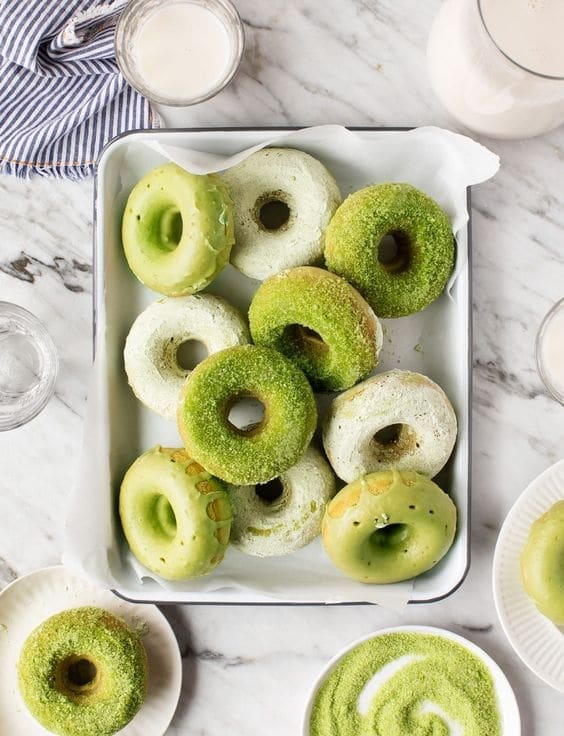
  1. Matcha Glaze is very easy to make. Just mix matcha powder and icing sugar together, then pour in almond milk and stir until combined. Then, dip donuts in the matcha glaze. The ingredients for this recipe include:
  • ½ cup icing sugar
  • ⅛ to ¼ teaspoon matcha powder, depending on how green you want your dessert.
  • 1 tablespoon almond milk

2. Matcha Cane Sugar This one is not very dark green tea color. Start by dipping the finished donuts in coconut oil, then roll them in cane sugar and green tea powder that have been mixed together beforehand. You will get light green non-nuts. The ingredients for this recipe are:

  • ½ cup cane sugar
  • ¼ to ½ teaspoon matcha powder, depending on how green you want your dessert.
  • ⅓ cup coconut oil

3. Matcha Powdered Sugar After frying the donuts, dip them in the green tea powder and icing that were mixed together beforehand. The powder will stick to the donut dough, giving it another green color and texture. The ingredients for this recipe include:

  • ½ cup icing sugar
  • ¼ to ½ teaspoon matcha powder, depending on how green you want your dessert.

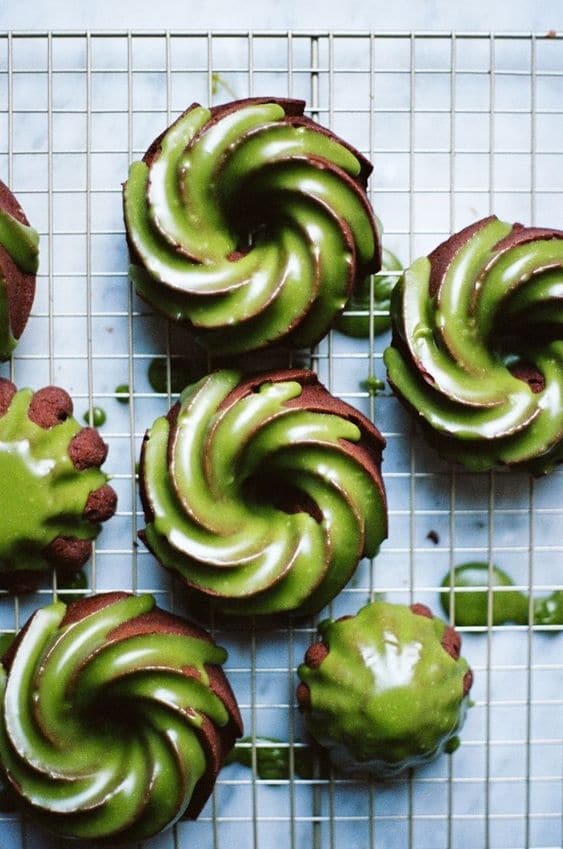
Or if you’d like to make donuts out of matcha dough and decorate them with white chocolate or white icing to contrast the donuts, it’s another beautiful and delicious look. Or even changing the shape of a matcha donut that you’ve already made into other shapes will make it even more delicious and will definitely make you want to take a photo and share it on social media.

Matcha Donut Matcha Donut Matcha Donut

Source

https://twitter.com/hashtag/florestadoughnuts

https://thesweetwanderlust.com/sweets-eats/best-desserts-in-tokyo/

http://www.supertastermel.com/2015/05/cute-animal-donuts-at-floresta.html

https://www.loveandlemons.com/matcha-baked-doughnuts/

Article from : Fuwafuwa
Can tea be made into cold brew?

Many people may be familiar with Cold Brew coffee, which is sweeter than coffee brewed using other methods due to its low acidity. Cold water extracts lower levels of caffeine than hot water. Tea lovers may wonder, can tea be processed in the same way as Cold Brew coffee?

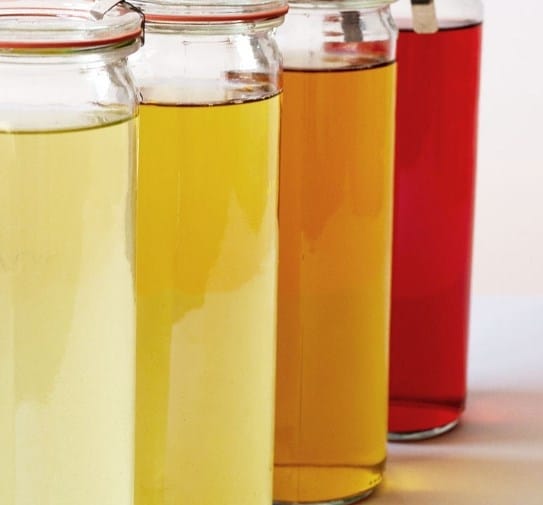
Tea Cold Brew

The principle behind Cold Brew is cold extraction. You can use water at room temperature or cold water (5-15 degrees Celsius). Normally, if we use hot water to make tea, the catechins and caffeine in the tea leaves will come out with the hot water because these two substances dissolve at high temperatures, around 80-90 degrees Celsius and above. These two substances will give a bitter taste. Meanwhile, the umami taste of tea that many people like to enjoy, which is caused by amino acids, will dissolve at temperatures from 60 degrees Celsius and above. Therefore, green teas rich in umami flavor, such as Gyokuro, must be brewed with water at a temperature of 40-60 degrees Celsius.

Therefore, if we steep the tea leaves in cold water, the bitter taste of the tea will be less than when brewed hot. This is suitable for those who like to drink tea with a smooth umami flavor.

Tea Cold Brew Tea Cold Brew

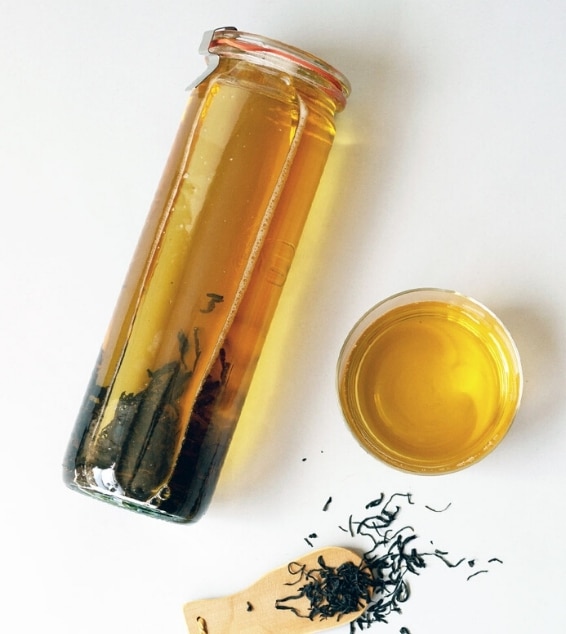
How to make cold brew tea, both black tea and oolong tea

  1. Use 4 grams of tea leaves per 200-250 ml of water.
  2. Put the tea leaves in a disposable tea bag.
  3. Place the tea bag with the tea leaves in the water and close the lid tightly.
  4. Soak the tea in the refrigerator for 6-12 hours.
  5. Once it’s done, remove the tea bag. This cooled tea can be stored in the refrigerator for about 3-4 days without any change in taste or added bitterness.

But be careful with green tea, it can become bitter very easily. Reduce the amount of tea to 3 grams of tea leaves per 500 ml of water and steep the tea for only 3-6 hours. Normally, when brewing hot tea, we usually get a fragrant smell from the brewing, but brewing cold brew tea will not have a fragrant smell that is inviting to drink.

Although cold-brewed tea leaves can be re-brewed hot, the flavor will be less, so it’s best to discard them.

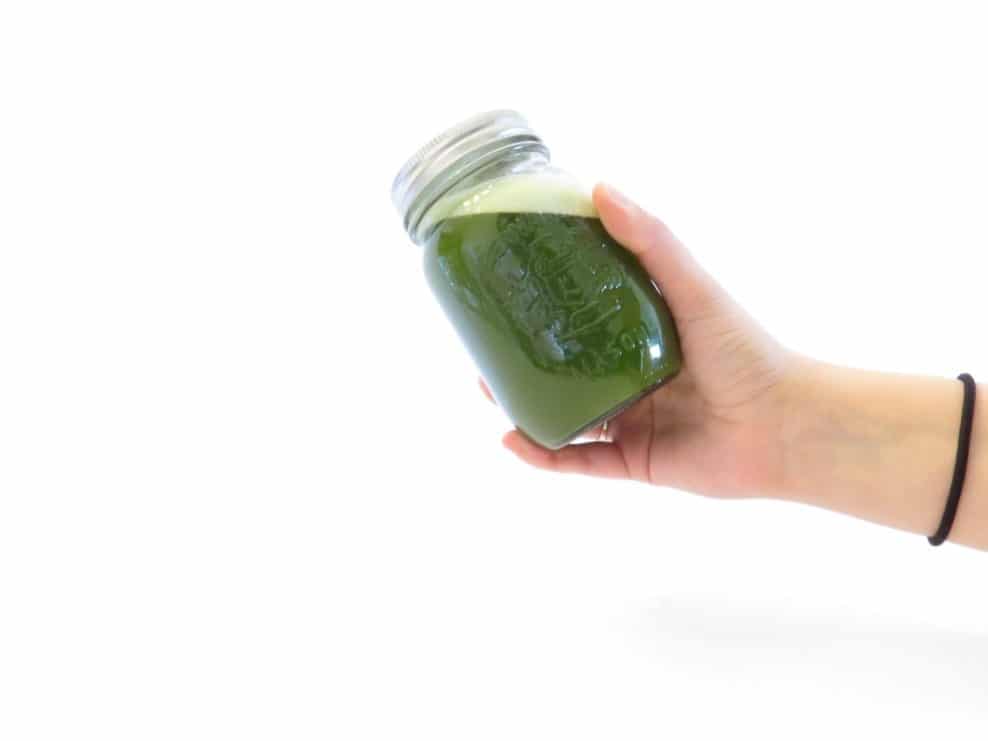
To use green tea powder to make Cold Brew, put 1 teaspoon of tea powder into a bottle with a lid and pour in 1.5 cups of water. Close the lid and shake for about 15 seconds.

Tea Cold Brew

Source

https://pickledplum.com/cold-brew-tea/

https://theteacupoflife.com/2019/04/cold-brew-matcha.html

https://matchaoutlet.com/blogs/recipes/cold-brew-summer-matcha-drink

Article from: Fuwafuwa
Can I re-brew tea that has already been boiled?
Many people are probably accustomed to brewing tea from tea bags two or three times, or using tea leaves that have been brewed more than once. However, there are doubts about brewing tea, whether after boiling the water, it can be brewed again, because it seems that it can be brewed and drunk one or two more times.

Green tea Green tea

Normally, all types of tea powder or ground tea leaves have a concentrated content on their own. If they are boiled or exposed to hot water, the hot water will extract the flavor and concentration of the tea. When squeezing water out of tea leaves, the harder you squeeze, the more concentrated the tea will be. When tea powder or leaves have been filtered once, the flavor and concentration of the tea powder or leaves will still be there, but it will not be as concentrated as the first time. The more times it is brewed, the flavor of the tea will gradually become bland. In addition, the color and aroma of the tea will also decrease. Especially tea mixed with milk, such as Taiwanese tea, green tea, Thai tea, the sweetness and aroma of the milk will mask the tea aroma.

Green tea Green tea

Furthermore, the taste, color, and sensation of tea come from two main components: polyphenols and caffeine. Each component has its own astringent properties, but when combined, the astringency is reduced. Reboiling reduces the CO2 level, which reduces the acidity, affects the caffeine and polyphenol content, and changes the color and appearance of the brewed tea. Reboiling only affects the flavor of the tea; it’s not harmful, and the nutrients aren’t lost.

Matcha

However, it is recommended to use only one brewing time for iced tea because the true deliciousness of iced tea is its rich flavor and aroma.

However, some people may read this article and think that brewing tea for a single time and then leaving it in the teapot longer to get a stronger flavor would be better than brewing it again. I must say that this is not a good idea because another variable that affects the aroma and flavor of the tea is the length of time we leave the tea in the teapot. It is similar to baking a cake. If you bake it for too long, the cake may gradually dry out and burn. If you leave the tea leaves in the teapot for too long, the flavor will gradually become bitter until it is no longer delicious. If you want to enhance the sweet flavor of the tea leaves, it is recommended to increase the amount of tea leaves instead of letting them steep in the teapot longer. Otherwise, the tea may come out so bitter that it is undrinkable. Alternatively, you can use the old tea leaves to brew another round.

Source

https://www.pinterest.com/pin/244461086010500412/

https://kinarino.jp/cat8/25451

https://e-yamamotoen.com/?pid=105742195

Article from : Fuwafuwa