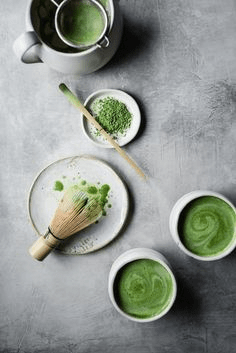
Green tea bakery menu ideas without needing an oven

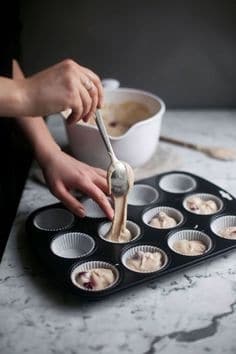
Baking can be a difficult task for many people, with a lot of additional equipment to invest in, the oven taking up space in the shop, and baking is also difficult to control the quality for beginners. Let’s take a look at some great ideas for “no-bake” desserts. They’re easy to make and take only a few minutes. Plus, add decoration techniques to make easy no-bake desserts more beautiful and delicious, and look more valuable.

Let’s start with a very easy menu like green tea crepe cake, which uses only a pan to make crepe sheets. You can create a delicious menu.
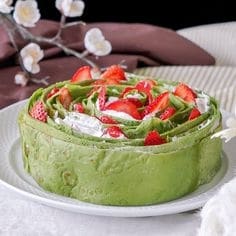
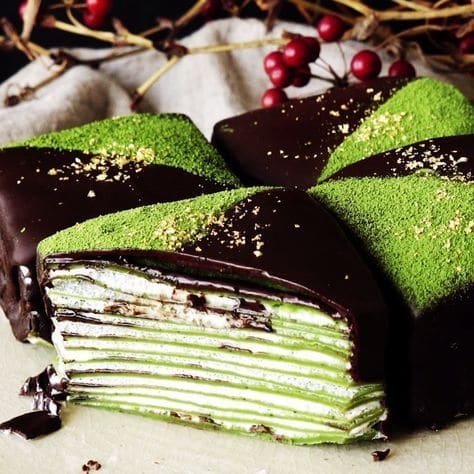
Green Tea Crepe Cake  Green Tea Crepe Cake

Start by taking 3 eggs + 1 ½ cups milk + 1 3/4 tablespoons sugar + 1 cup flour + 1 tablespoon matcha powder + 1 teaspoon baking powder and 2 tablespoons melted butter. Mix well. After mixing, pour all the ingredients through a sieve and refrigerate for 2 hours. Take it out and fry on a pan, thinly until cooked through, then set aside to cool. Next, to make delicious fresh cream, just take 3/4 cup whipping cream + 2 tablespoons sugar + 1 tablespoon rum and beat with a hand whisk until stiff peaks form. Refrigerate and set aside.

Place the dough on top, alternating with spreading some fresh cream on top, layer by layer until it is as high as you want, wrap tightly with plastic wrap and freeze for 4 hours. Decorate it as you like, for example, pour chocolate on the crepe and let it dry.

Sprinkle with matcha powder and gold leaf, or get creative by placing the crepe dough instead of stacking it in a circle. You will get a unique, unbaked dessert that is unlike any other shop.
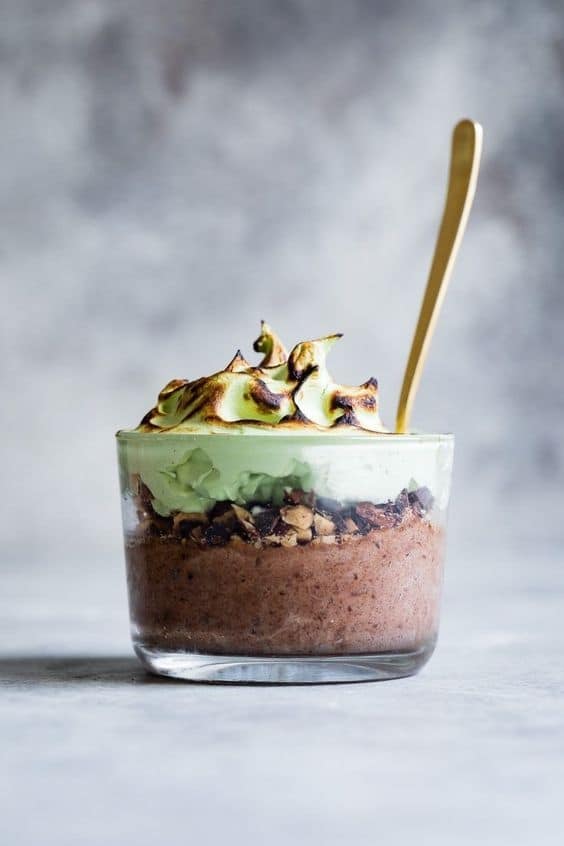
Green Tea Mousse

In addition to crepe cake, making matcha mousse is another popular dessert for kitchens without an oven. Add variety by decorating it to make the dessert look beautiful and delicious. You can see how to make matcha mousse at https://matchazuki.com/matcha-mousse-pie/

Another menu that is a low-sugar recipe and is popular among health-conscious people is making matcha bars.
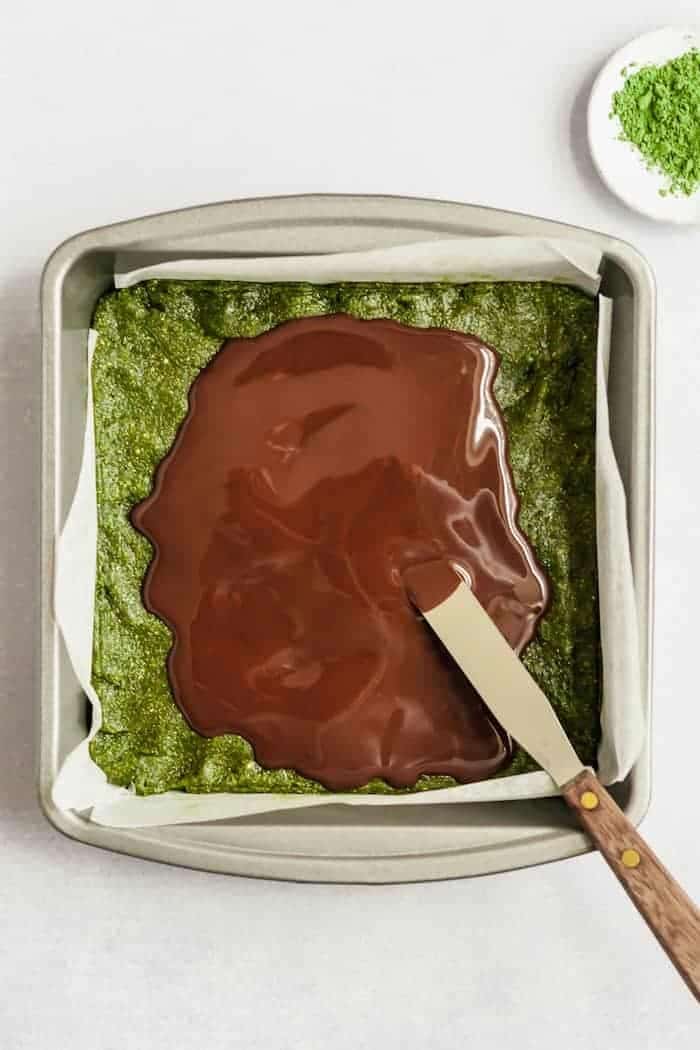
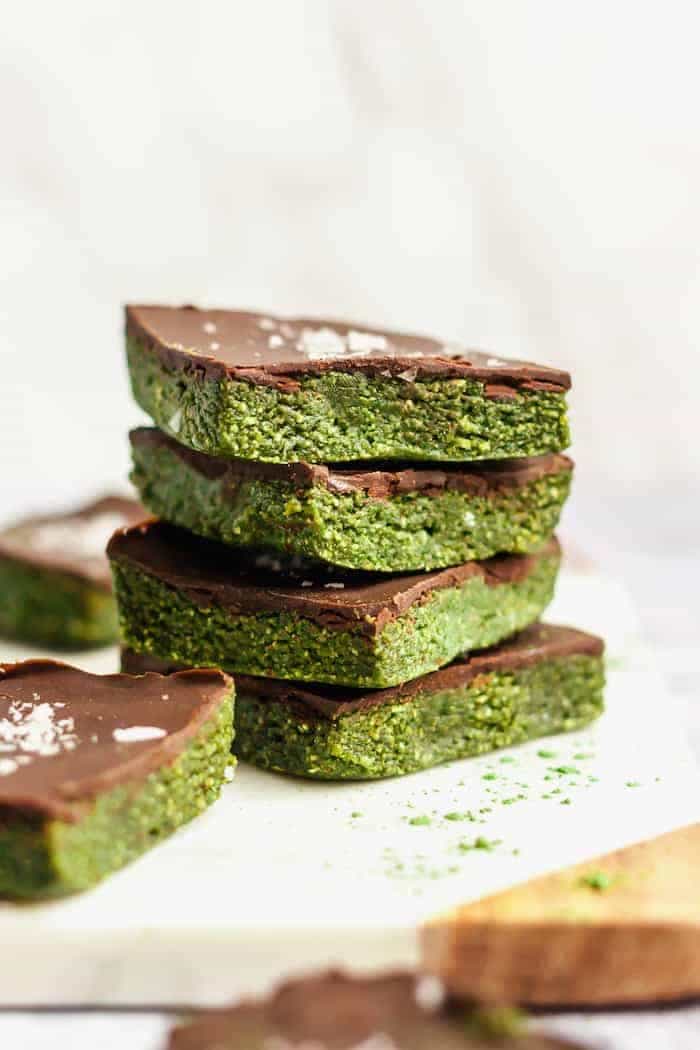
Matcha Bar Matcha Bar

Oat flour, matcha powder, and salt are the key ingredients used in this no-bake dessert. Place all ingredients in a large mixing bowl and stir to combine. Add maple syrup, butter, almond milk, and vanilla; stir until dough forms. Press dough into prepared baking dish with wet hands to form even layer. To coat in chocolate, place chocolate chips, coconut oil, and butter in bowl. Microwave for 20 seconds, or until melted. Pour chocolate over the bars and spread with a spatula to evenly distribute. Freeze for at least 2 hours before slicing into desired size bars. Some shops also add in grains for added nutrients.
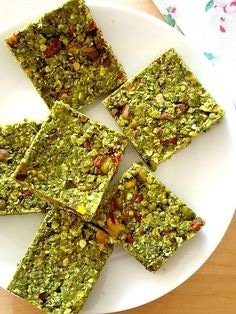
Matcha Bar

Matcha Panna Cotta is another type of dessert that does not require an oven. It is easy to make and can be molded in many different shapes according to your preference. It can be decorated in many ways, such as pouring strawberry sauce or sprinkling pistachios. It is a no-bake dessert that is perfect for our hot weather.
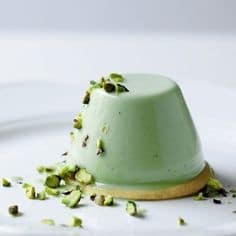
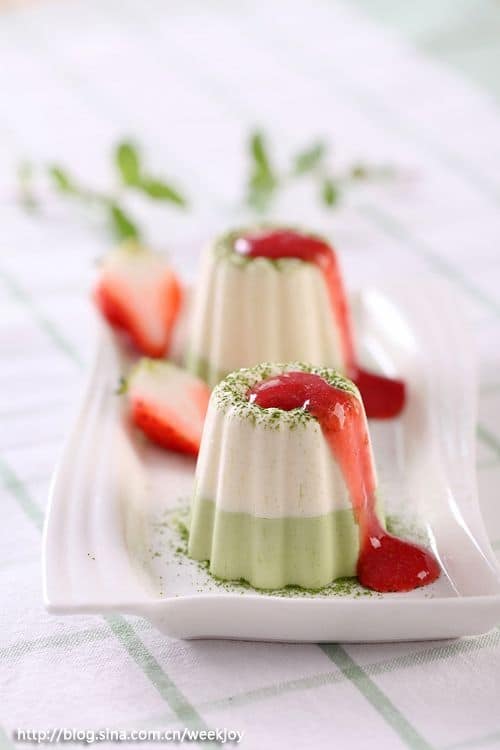
Green Tea Panna Cotta  Green Tea Panna Cotta

How to make easy green tea panna cotta: Simply soak 8 grams of gelatin in cold water until softened, pour into 750 ml of cream, 300 ml of milk, 160 grams of sugar and vanilla extract. Stir over low heat until the gelatin has completely dissolved, then remove from heat. Strain the mixture into a mold and refrigerate for 4 hours or overnight. When serving, you can serve it in the mold or pour it out, as you prefer.
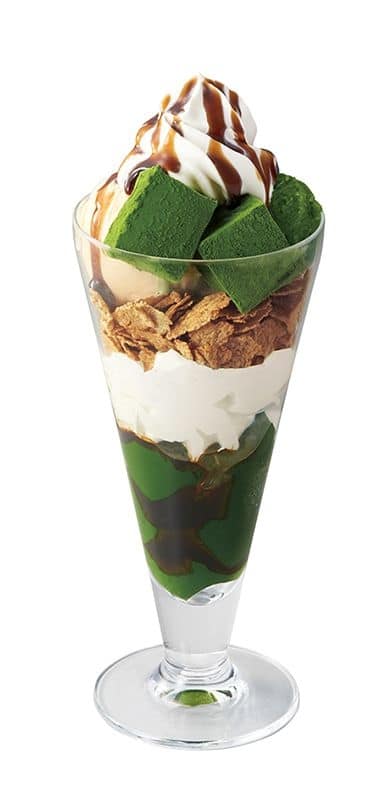
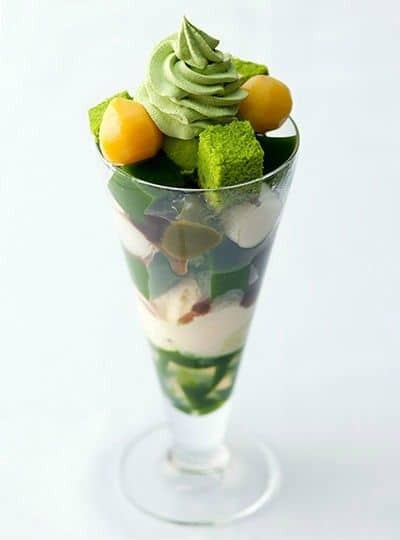
Green Tea Parfait  Green Tea Parfait  Green Tea Parfait

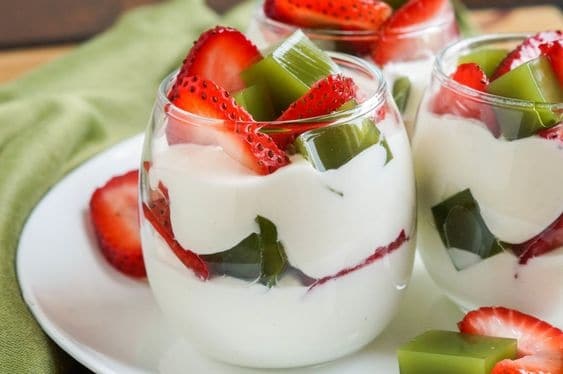
Another menu that is often seen in Japan is green tea parfait , beautifully arranged in tall glasses, arranged with various flavors of fresh cream, depending on the style of each shop. This dessert does not require an oven and has the easiest ingredients to prepare. Top with nama matcha chocolate or Japanese green tea jelly, called yokan. Add chewy layers with round mochi. Reduce the richness between the layers with sour fruits, cornflakes or nuts. Just like that, you will have a delicious dessert without using an oven. Although making desserts requires a lot of equipment, many people do not dare to try to make new menus to sell in the shop, but no-bake desserts are another easy, convenient option, and definitely suitable for beginners to try making desserts.

Source

https://www.snixykitchen.com/mint-chocolate-mousse-toasted-matcha-meringue/

https://www.hummusapien.com/matcha-protein-bars/

https://balancingandie.com/nobakematchaoatmealbars/

https://www.crazyvegankitchen.com/vegan-matcha-tiramisu-green-tea-tiramisu/

https://www.tastemade.com/videos/matcha-gold-crepe-cakes

Article from: Fuwafuwa
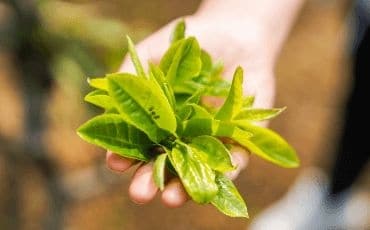
Get to know organic green tea cultivation

Why does organic Japanese tea taste so fragrant and sweet?

Matcha

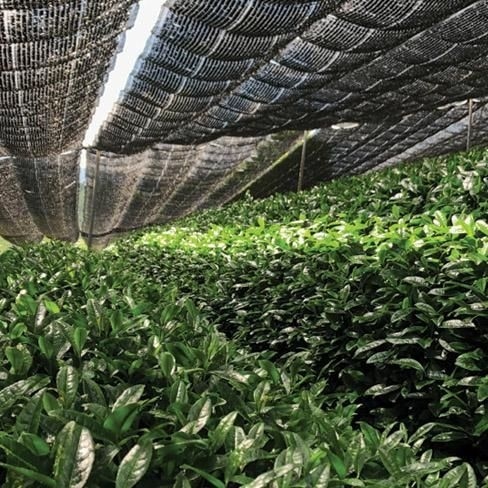
Organic tea cultivation requires abstaining from chemical fertilizers and pesticides. Organic fertilizers that are not genetically modified (GMO-free) are used, as are seeds that are not genetically modified or synthetic materials. Soil preparation prior to planting must be free of toxins for at least three years, and soil and water resources must be conserved during the production process to ensure that the produce grows naturally and is safe for health, free of chemical residues. This is because conventional tea cultivation still uses chemicals and pesticides, which can have long-term health effects.

While most tea in Japan is currently organic, only a very small percentage is 100% organic. This is because it is difficult to establish an organic tea plantation. There are many organic tea plantations in adjacent areas, and the spread of chemical fertilizers, pesticides, and chemicals that penetrate the soil from surrounding farms can make their way into the organic farms. Therefore, organic tea plantations need to create a buffer zone or shelter between the organic and the organic tea plantations to ensure that the soil is truly chemical-free.

Matcha

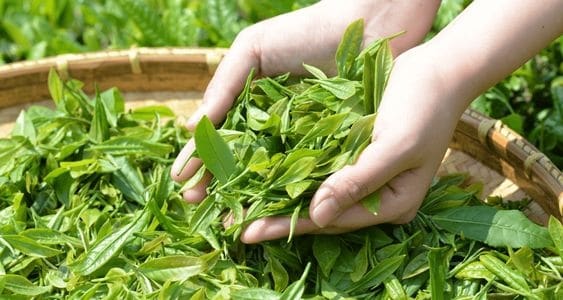
Organic tea has a simple taste because the tea receives nutrients directly from the soil. The taste of the tea also depends on the weather conditions. Only the top three young leaves are selected and picked only in the morning before 7 a.m. This technique gives organic tea a special delicate taste because the tea leaves will sprout leaves to receive the soft sunlight fully and there is dew that will bring out the aroma and sweet, delicate taste of the tea to the fullest during this time of the morning. The weather conditions are another important factor that makes the taste of tea unique.

Another reason why organic tea cultivation is not very popular is because it is not easy to use organic fertilizers to produce the desired yield quickly. Organic fertilizers work slowly, lasting 3 to 9 months. In contrast, chemical fertilizers work quickly and effectively, only about 1 month. This is in line with the production costs, which are slow to work. Therefore, organic tea trees have a higher burden than non-organic tea trees. On the other hand, chemical fertilizers in non-toxic tea plantations make the cultivation process much easier, resulting in faster yields.

The soil in organic tea plantations is generally more aerated and softer than that in non-organic tea plantations, but this depends on the amount of fertilizer used. High amounts of organic fertilizers can make the soil softer and more airy. This is true for both organic and non-organic tea plantations. The airy soil is created by beneficial bacteria in the soil, creating a nutrient-rich and healthy environment for the tea leaves.

Matcha Field

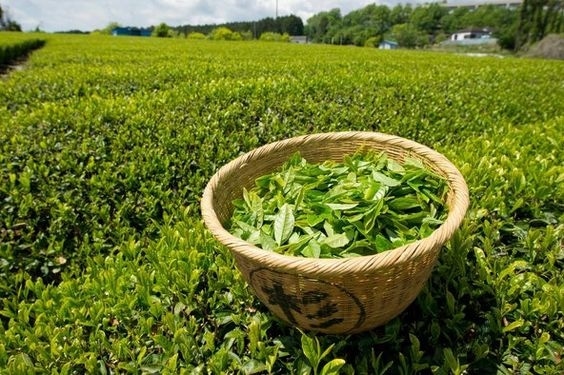
In the tea plantation area of Uji, Kyoto, Japan, during the summer, the sunlight is intense and the air is humid. But this humidity, along with the abundant fertilizer, is a very good environment for the tea plants, but it is also an environment that weeds like. Weeding in organic tea plantations requires pulling the vines from the tea plants, which is a difficult task because organic tea is weeded only by hand, and must be removed to prevent the weeds from absorbing all the nutrients from the fertilizer.

Matcha

Organic tea tastes better than tea from other farms because it’s grown in ideal climates and natural water sources. It’s also high-quality because it’s hand-picked, and it’s safer for your health in the long run because it doesn’t contain chemical residues. This is why it’s more expensive than regular tea.

Source

https://www.unclelee.com/article-history-our-tea.html

https://www.hibiki-an.com/contents.php/cnID/19

Article from: Fuwafuwa
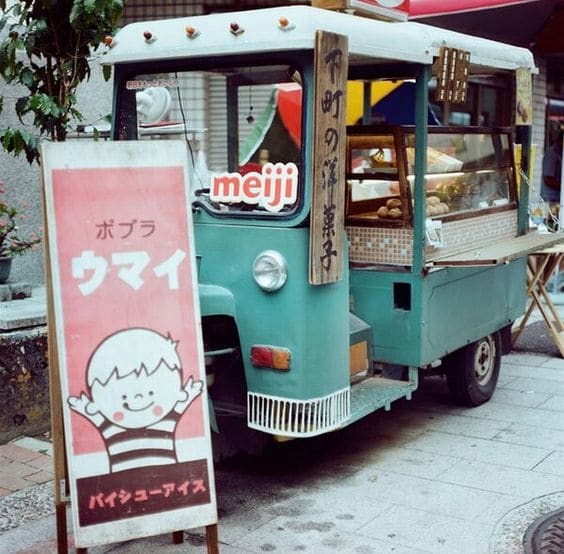
“Green tea” is a gift for every festival for Japanese people.

Japanese people often bring small gifts to give to each other no matter the occasion. For example, when traveling to another country or even on a small trip, they usually buy souvenirs, or in Japanese, what is called “omiyage”. Souvenirs can be cute packages of cookies, chocolate, green tea, or various Japanese sweets.

Not only buying souvenirs from traveling, but giving gifts to each other is a deeply rooted culture of Japanese people, such as New Year’s Day, marriage, childbirth, etc., in which “tea” is considered a very popular gift. Giving green tea to each other will have different meanings depending on the occasion, whether it is to express congratulations, greetings or express gratitude because “tea” is something that Japanese people drink every day anyway. In addition to being good for health, it gives a sense of quality and value. Giving it as a gift set or wrapped in furoshiki cloth increases the value to become a tea set that the recipient will definitely like. Another reason why tea is popular as a gift is because it can be stored for a long time and is not too small or too big, suitable for people of all ages. Tea also has a good and auspicious meaning that many people may not know, such as:


  • The word 茶寿 (cha-myō) is spelled with the character 茶, which means tea, in the word. In Japanese, cha-myō means “congratulations on your 108th birthday,” so giving tea as a gift is considered a wish for good health and long life.
  • At some Japanese weddings, such as in the Kyushu region, including Niigata and Fukushima prefectures, a “tea set” is given as a gift for engagement. Because the tea plant has a long life and is deeply rooted in the soil, it is difficult to pull it out and plant it again, symbolizing “the bride’s marriage only once and her commitment to her partner for life.”
  • On New Year’s Day in Japan, there is a custom of drinking Daifukucha (大福茶), a tea that is drunk to pray for safety from disasters and illnesses in the year. In particular, in Kyoto, it stems from the past when priests gave tea to infected patients to drink, and their symptoms eventually recovered. Eating an Osechi (おせち料理) set meal on New Year’s Day, along with drinking Daifukucha with dried plums and kombu kelp, is a long-held tradition.
  • The word medetai (めでたい), which means “joy” in Japanese, sounds similar to the word medetai (芽出たい), which means “to sprout (tea shoots)”. Therefore, giving tea as a gift is considered an auspicious gift that the Japanese believe means expressing their congratulations to the recipient.

However, some texts say that tea is a drink that Japan adopted from China along with Buddhism, and so it has an image associated with Buddhist ceremonies, most often funeral ceremonies, so tea should be avoided as a gift. However, nowadays, this belief has disappeared, and there is a growing popularity of giving shincha (新茶), the first tea of the season made from the first young leaves picked, as a seasonal gift.
In addition to the auspicious occasions when we give tea as a gift, there are other tea drinking cultures that Japanese people drink, such as:

  • Sakurayu (桜湯) is made by brewing hot water with cherry blossom petals seasoned with salt instead of green tea. It is popularly drunk on auspicious occasions, paired with Higashi, a small, dry sweet with beautiful patterns and colors, similar to our local Ping cookies.
  • In summer, it is popular to drink mugicha (麦茶), a cold barley tea that is refreshing.
  • When serving as a guest, it is common to serve gyokuro (玉露) or sencha (煎茶) together with wagashi.
  • But in daily life, it is popular to drink Hojicha (ほうじ茶), Bancha (番茶), and Genmaicha (玄米茶) together with sembei snacks.

Choose the right type of tea for the right occasion. Giving a gift of tea will make the recipient even more impressed.


Source

https://www.hibiki-an.com/index.php/cPath/26
https://www.ooigawachaen.co.jp/blog/2015/12/16/249
https://www.alfemminile.com/none/none-s4002149.html

By : Contrary To Popular Belief

3 Japanese snacks that are popular with green tea

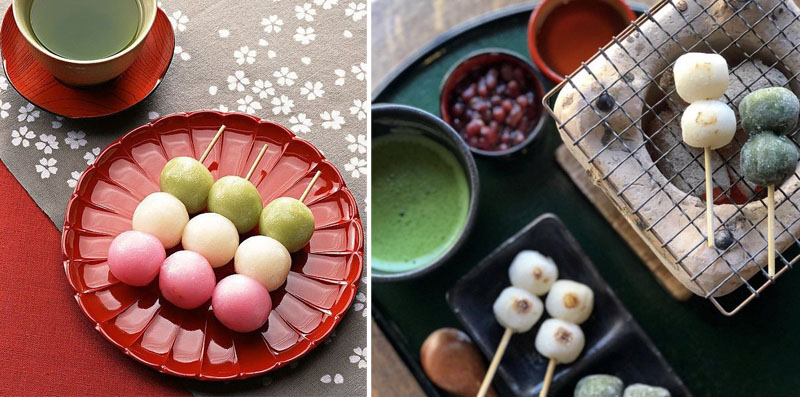
Many people already know that Japanese people like to eat green tea with Japanese sweets, or what is called wagashi. Although there are many other sweets that can be eaten with green tea in the tea ceremony, the sweets that are ranked as popular with people who drink tea and are well known among Thai people include:
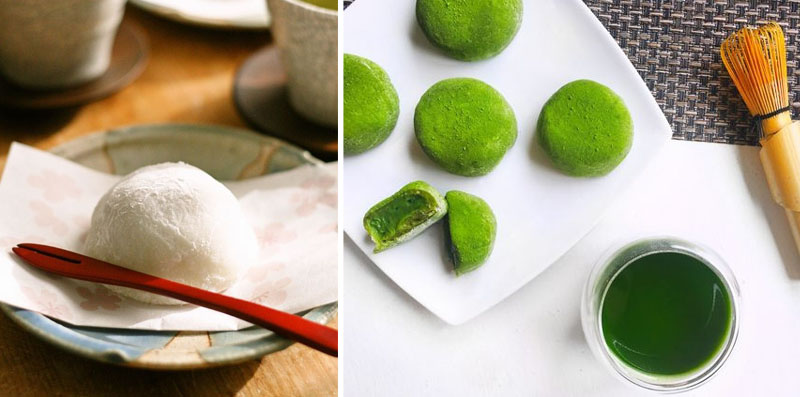
Number 1 is Daifuku, a soft and chewy mochi dessert that comes with a variety of fillings, including green tea lava, green tea red bean, and some even add fruit to enhance the flavor. The dessert is sweet and served with hot green tea, creating a perfect combination of deliciousness.
For those who want to try making their own daifuku and serve it with tea at the restaurant, adding a touch of Japanese flair to the menu is easy to do. You can also customize the dough to your liking, such as fugu or filling.

Green tea strawberry daifuku menu

  1. 100 grams of glutinous rice flour
  2. 20 grams of tapioca flour (for making dusting powder)
  3. 10 grams of matcha powder
  4. 50 grams of granulated sugar
  5. 150 ml. plain water
  6. 200 grams of ready-made white bean paste + tea powder
  7. Green 5 grams
  8. Strawberry

method

  1. Mix glutinous rice flour, matcha powder, and sugar in a microwavable container. Gradually add water and mix until the flour is no longer lumpy and the consistency is thick.
  2. Put the flour mixture in the microwave, covered with plastic wrap or in a covered container to prevent the surface from drying out. Microwave on high for 3 minutes, stirring every 1 minute. Observe the flour. If it is cooked, it will turn into a clear flour and will form into a lump.
  3. Take the cooked flour and mix it with flour. Divide it into equal parts. Flatten the dough into a round sheet. Add the white bean filling mixed with green tea powder to form a single texture that wraps the strawberries. Shape it into a round ball. Mix it with flour to prevent the daifuku from sticking together. It’s done.

Typically, when serving daifuku, a small stick, called a kuro mochi (黒文字), symbolizes that the dessert should be cut into bite-sized pieces before eating. Usually, the pieces are not very large and can be cut into about 3-4 pieces.

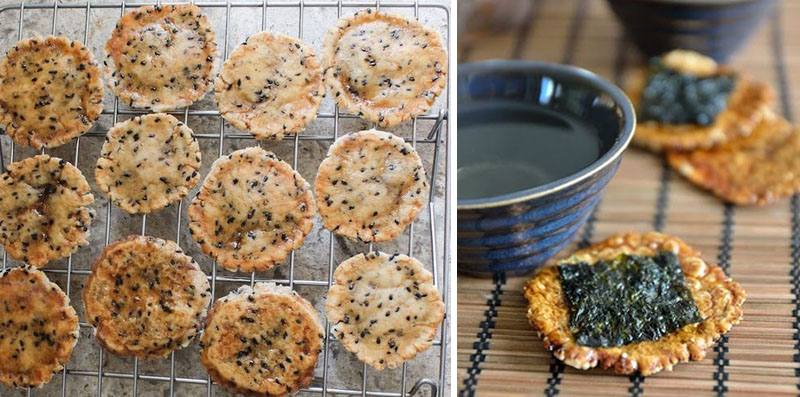
Next up is sembei, a crispy rice snack that comes in a variety of shapes, sizes, and flavors. While most commonly salty (a flavor derived from soy sauce), sweet versions can also be found. Sembei are most commonly eaten with green tea, as a snack, and given to guests at home. They are typically baked or grilled in the traditional charcoal manner. During cooking, the sembei are brushed with a seasoning sauce, typically made from soy sauce and mirin. They are then wrapped in seaweed and seasoned with salt. Unlike daifuku, sembei are served with tea without the kuromochi sticks. It is generally considered polite to eat them with your hands.


If you’d like to try making your own dango, you can do so at the shop. The method is similar to making bua loi in Thailand.
Ingredients: 250 grams of white tofu, rice flour (or mochi flour) + 200 grams of sugar.

Easy to make: First, knead the tofu and rice flour together with your hands until the dough is just the right consistency—not too soft or too hard. Then, shape it into balls. Boil a large pot of water until it boils, then add the dango balls. Continue to boil until they float to the surface. Once they float to the surface, boil for another 2-3 minutes and remove from the water and set aside on a paper plate. Skewer them and enjoy with the sauce or grill them gently, as desired. Serve with the shop’s hot green tea. We guarantee that every visitor will feel like they’ve been transported to Japan.

Source

https://www.pinterest.com/pin/325807354293426536/
https://moichizen.exblog.jp/13348925/
https://www.pinterest.com/pin/14707136267674817/
https://www.japancentre.com/en/recipes/1669-matcha-ganache-filled-strawberry-daifuku

By : Contrary To Popular Belief

Matcha Cookie เมนูง่ายๆที่ไม่ธรรมดา

หากพูดถึงคุ้กกี้ ขนมเบเกอรี่พื้นฐานที่สุดที่ทำได้ง่าย เห็นได้จากสถานการณ์ช่วงนี้ที่หลายคนเริ่มเปิดเตาอบขนมขายกันจนลูกค้าเองก็เลือกไม่ถูกว่าจะทานขนมจากร้านไหนดี ดังนั้น เพื่อให้เรามีร้านขนมที่แตกต่างจากร้านอื่น การใส่ไอเดียความคิดสร้างสรรค์ลงไปจึงเป็นสิ่งที่ต้องคำนึงถึงในทุกๆขั้นตอน
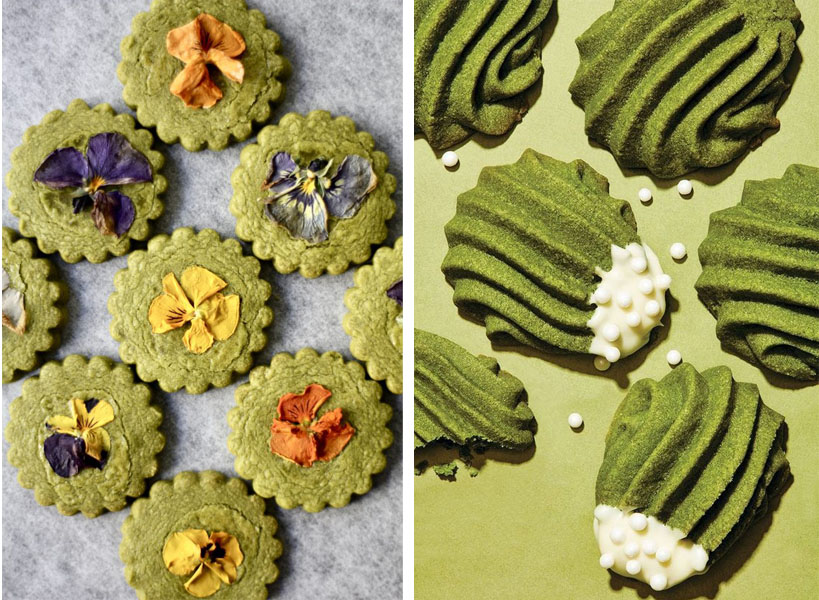
เริ่มจากการทำคุ้กกี้เนยชาเขียวปกติที่สามารถสร้างความแตกต่างจากร้านอื่นได้ง่ายๆ เพียงเพิ่มลวดลายด้วยการเคลือบช็อคโกแลต หรือไวท์ช็อคโกแลต โรยด้วยผงชาเขียวอีกเล็กน้อย หรือโรยช็อคโกแลตชิพ แต่งด้วยดอกไม้ที่รับประทานได้ เป็นการสร้างความแตกต่างที่ทำให้คุ้กกี้ชาเขียวเพลนๆดูมี Value มากขึ้น

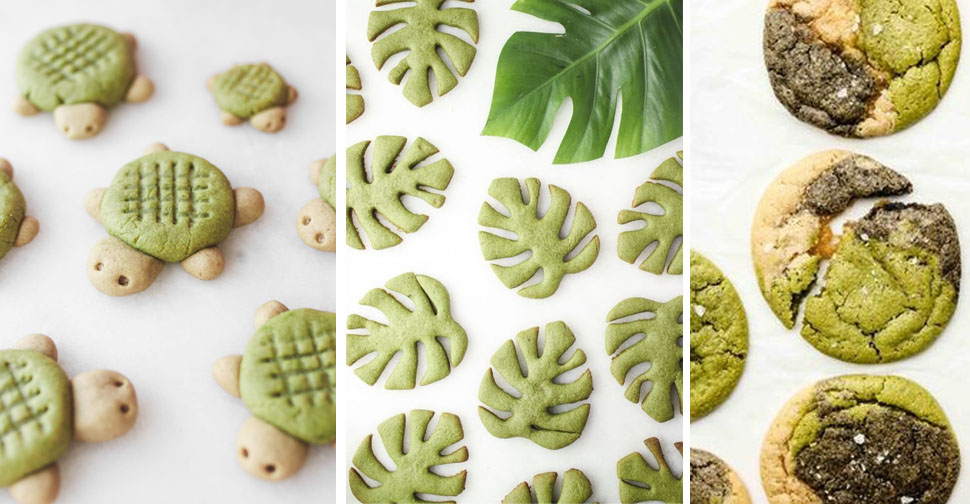
นอกจากการเพิ่มท้อปปิ้งบนคุ้กกี้ชาเขียวเพลนๆแล้ว การใส่ส่วนผสมเพิ่มความหลากสีให้คุ้กกี้ 1 ชิ้น ก็เป็นอีกไอเดียที่มือใหม่บางคนไม่กล้าทำ ด้วยเหตุผลที่ว่ากลัวรสชาติและสีที่ออกมาไม่สวยและอร่อย จึงเน้นทำแยกรสชาติไปเลย แต่ถ้าใครที่พอมีฝีมืออยู่แล้ว ก็แนะนำให้ผสมหลายๆรสชาติ ไว้ด้วยกัน จะยิ่งทำให้ขนมชิ้นนั้นมีมิติมากขึ้น

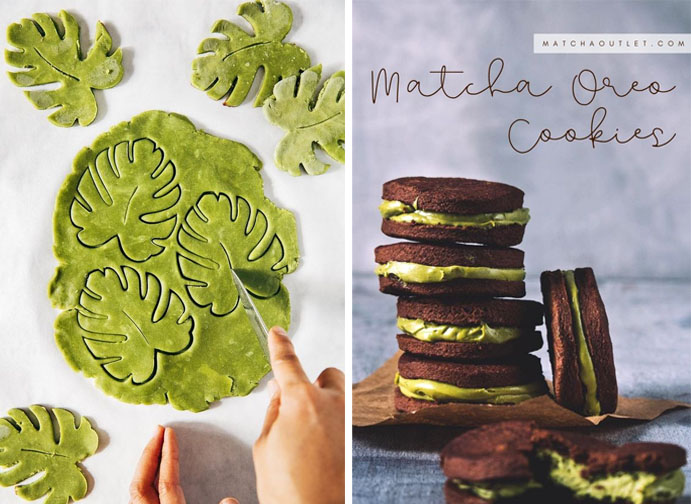
นอกจากนี้หากใครมีฝีมือในการปั้นก็ยังสามารถทำคุ้กกี้ชาเขียวเป็นรูปทรงต่างๆตามธรรมชาติ อย่างใบไม้ หรือรูปสัตว์เพื่อดึงดูดกลุ่มลูกค้าแม่และเด็กมากขึ้น

นอกจากการทำคุ้กกี้เป็นลวดลายต่างๆแล้ว อีกสไตล์การทำคุ้กกี้ที่น่าสนใจ คือ การทำ โมจิมัทฉะคุ้กกี้
คุ้กกี้ชาเขียวสอดไส้โมจินุ่มหนึ่บ เป็นคุ้กกี้สไตล์ญี่ปุ่น ที่ในไทยยังไม่มีร้านไหนทำ หากใครสนใจลองเปิดเตาทำเมนูนี้ มาดูสูตรไปพร้อมๆกันเลย……

เริ่มจากใช้แป้งข้าวเหนียว 80 กรัม ผสมกับน้ำตาล 80 กรัม และน้ำ 90 กรัม คนให้เข้ากัน แล้วเอาเข้าไมโครเวฟ 600 วัตต์ เป็นเวลา 1.20 นาที แล้วเอาออกมาคนให้เป็นเนื้อเดียวกัน แล้วนำเข้าไมโครเวฟที่ 600 วัตต์ อีก 10 – 20 วินาที แล้วเอาออกมาคน ปั้นม้วนไว้เป็นทรงกระบอกเส้นผ่านศูนย์กลางประมาณ 1 นิ้ว ตัดแบ่งพักไว้ให้แต่ละชิ้นหนาประมาณ 1 ซม.

ขั้นต่อไป ทำคุ้กกี้ชาเขียวได้ตามสไตล์ที่ทางร้านชอบ เพียงแค่ช่วงที่ปั้นโดว์คุ้กกี้เอาโมจิที่ทำไว้แล้วใส่ไว้ตรงกลาง แล้วเข้าอบได้ตามปกติเลยเพราะแป้งโมจิสุกแล้ว ส่วนเทคนิคเพิ่มเติมที่แนะนำคือ คุ้กกี้ชาเขียวนี้ควรใช้น้ำตาลทรายแดงในการทำจะอร่อยยิ่งขึ้น

ส่วนใครที่อยากแตกต่างอีกวิธีคือ การทำคุ้กกี้โอริโอ้ แต่ใส่ไส้ครีมชาเขียวแทน ก็เป็นอีกเมนูที่น่าทานและทำไม่ยาก เพียงแค่ใช้สูตรคุ้กกิ้ที่ทางร้านทำอยู่แล้วมาดัดแปลงเพิ่มเล็กน้อย


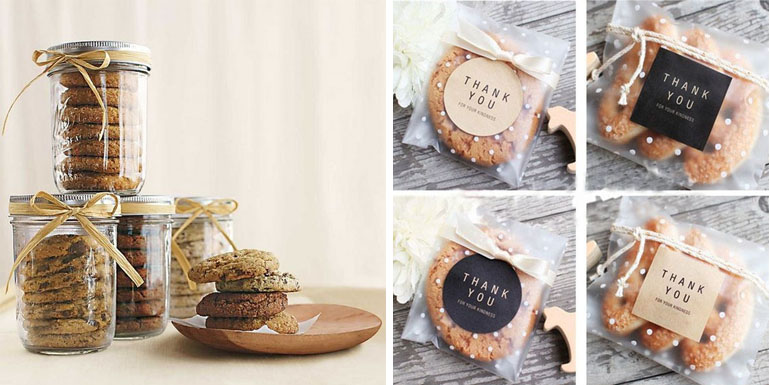
นอกจากการให้ความสำคัญกับตัวสินค้าแล้ว แพคเกจในการใส่ขนมก็ควรแตกต่างและโดเด่นไม่ซ้ำใครเช่นกัน ร้านส่วนใหญ่นิยมใส่กระป๋องพลาสติกง่ายๆ หรือถุงใสแล้วติดสติกเกอร์โลโก้ร้าน เพราะเป็นต้นทุนแพคเกตที่ราคาประหยัดที่สุด แต่ถ้าเราเพิ่มลูกเล่นลงไปในคุ้กกี้ แต่ถ้าเราเพิ่มกิมมิคด้วยการติดโบว์ หรือข้อความน่ารักๆเหมาะกับการเป็นของฝาก ก็ช่วยเพิ่ม value ทำให้คนอยากซื้อให้กันมากขึ้น
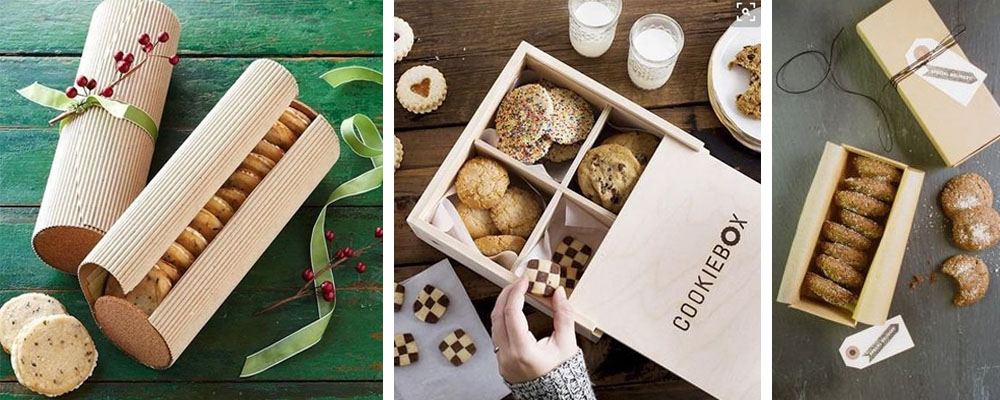
เราจะเห็นที่ญี่ปุ่นเวลาเราไปสถานที่ต่างๆ จะมีการทำขนมแล้วตีตราสถานที่นั้นๆ อย่างเช่นที่สวนสัตว์ หรืออะควาเรี่ยม ก็จะมีการทำคุ้กกี้เป็ฯลวดลายสัตว์เรียงแพ็คลงกล่องอย่างสวยงาม ทำให้คนที่ไปเที่ยวสถานที่นั้นๆ เห็นแล้วอยากซื้อกลับไปเป็นของฝากเราจะเห็นที่ญี่ปุ่นเวลาเราไปสถานที่ต่างๆ จะมีการทำขนมแล้วตีตราสถานที่นั้นๆ อย่างเช่นที่สวนสัตว์ หรืออะควาเรี่ยม ก็จะมีการทำคุ้กกี้เป็ฯลวดลายสัตว์เรียงแพ็คลงกล่องอย่างสวยงาม ทำให้คนที่ไปเที่ยวสถานที่นั้นๆ เห็นแล้วอยากซื้อกลับไปเป็นของฝาก
การจัดชุดเสิร์ฟอีกวิธีที่ไม่ควรพลาด คือ กล่องของขวัญบ็อคเซ็ต สำหรับทุกเทศกาล เป็นสิ่งที่สำคัญมากๆที่แม้ค้าออนไลน์ไม่ควรลืมที่จะคำนึงถึงตรงนี้ เพราะลูกค้ายุคนี้เน้นดูที่แพคเกจก่อนเป็นอย่างแรก เพราะฉะนั้น ถ้าขนมเราอร่อยแล้วอย่าลืมที่จะหาแพคเกจจิ้งเก๋ๆ มาเสิร์ฟขนมให้ลูกค้า ไปสร้างความประทับใจกับผู้รับอีกต่อนึง

ที่มา

https://raineorshinecakery.wordpress.com/recipes/cookies/matcha-moochie/
https://veggiekinsblog.com/2019/05/25/matcha-monstera-cookies/
https://www.pinterest.com/pin/811562795335676576/
http://www.chatelaine.com/recipe/desserts/christmas-cookies-green-tea-butter-cookies/

By : Contrary To Popular Belief

Share on facebook
Share on twitter

บทความอื่นที่เกี่ยวข้อง

Tea shop model, a new alternative for beverage business

Recently, many new businesses have emerged, especially in the food industry. This has created a great challenge for business owners in order to adapt to consumers. In addition, there are many problems, whether it’s the number of customers or the purchasing power that has decreased. Many famous restaurant brands have started to find new models for their businesses because doing things the same old way, the business cannot increase sales anymore. Experimenting with new models to increase income channels is a model that is worth trying for both new and existing entrepreneurs. Let’s start with the familiar ones:

Tea shop model

Food Trucks that modify their vehicles to become mobile food or beverage shops. The highlight of this model is that it uses a small area, is flexible in terms of location because it is easy to move, and provides services in the form of a normal kiosk, but can be driven to reach customers anywhere they want, whether it be at an event or an area where they want to try selling without paying rent. This is to focus on reaching more customers, especially the new generation. The method is not complicated and takes a short time to focus on the number of customers and the high sales volume. The Food Truck will be an open kitchen that stands out for its aroma. Especially if selling beverages such as tea or coffee, the aroma can attract customers. It is also another way to stimulate customers’ interest to come and buy. Many shops in Japan have started with this model, creating a brand and expanding the business to be more well-known.

Food Truck  Food Truck

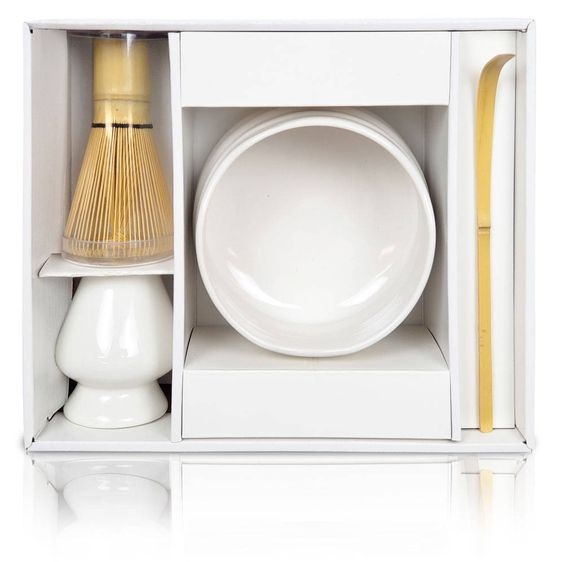
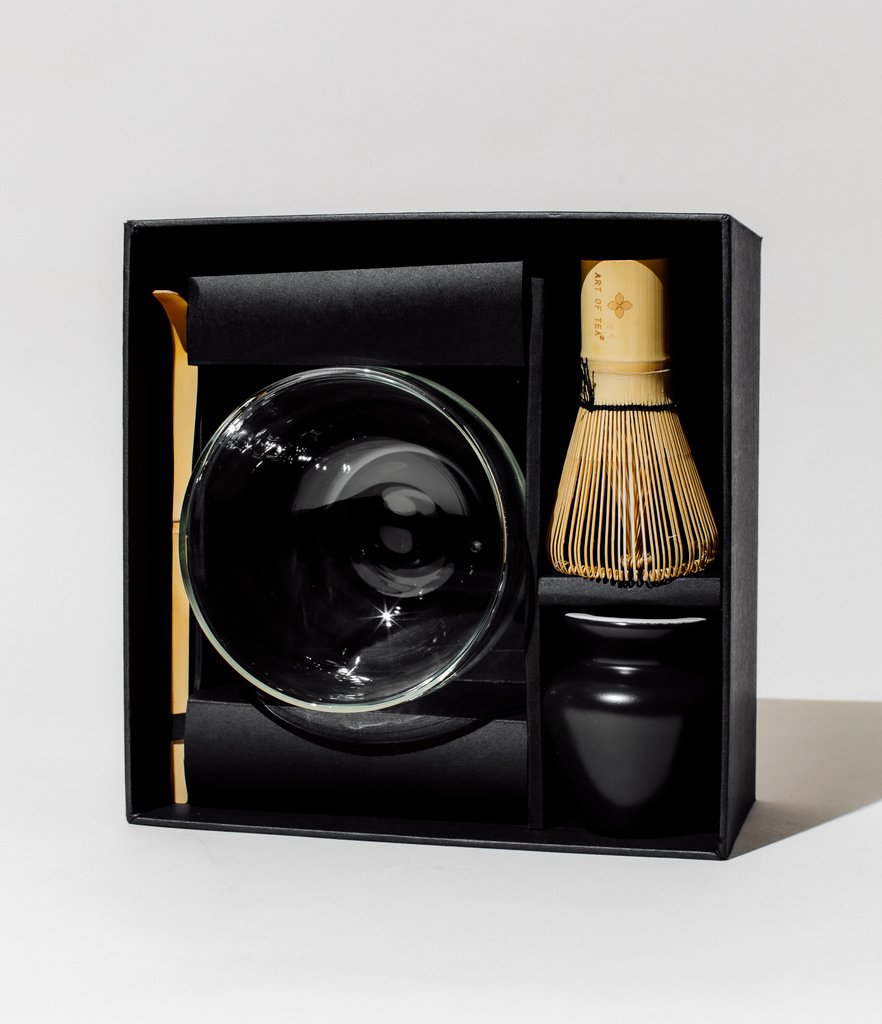
Meal Kits started from the trend of cooking at home during the COVID-19 pandemic when many people turned to the kitchen more, making the sale of Meal Kits or ready-to-cook food ingredient sets more popular. In the set, there will be ingredients with menus and cooking instructions sent to customers to cook at home. In addition to helping beginners get into the kitchen easily, it also provides convenience for those who do not want to leave the house to buy ingredients and saves time. As for tea drink sets, they are not yet popular. Therefore, it is an interesting gap in the beverage business for shops with unique menus that can use ingredients to make sets. Because selling this way can reduce costs in various aspects, such as storefront staff, maintenance costs for the cafe. Just arranging a set of ingredients, menus, and recipes for delivery can expand the customer base to a wider group. For example, the set includes chasen, tea powder, tea cups, and tea brewing methods, allowing customers to create a Japanese atmosphere at home.

Meal Kits  Meal Kits

Or a set of baking equipment from matcha powder is also quite interesting because these days, anyone can go into the kitchen. If you have baking equipment that if you buy it yourself, it will be complicated, you don’t know what level of matcha powder to use, and there are a lot of equipment. Everything will be easier if you put together a set for customers, including flour, sugar, butter, matcha powder, baking molds, and other equipment, along with a recipe. When they start baking themselves, of course, they will take pictures and share them on social media, spreading awareness of the brand in a wider angle.

Cloud Kitchen  Cloud Kitchen

Ghost Kitchen or Cloud Kitchen is another type of restaurant that does not necessarily have a storefront. There is only a kitchen for cooking and delivering food. It is a business collaboration between two brands to use the existing central kitchen to its maximum benefit. In addition to reducing costs, it also allows customers to order a variety of food from one place and also increases the experience for the chef. Most importantly, it saves on the cost of renting a storefront. Especially for those who already have a tea shop and want to expand the branch but do not have capital, they can easily use the Cloud Kitchen instead.

Cloud Kitchen  Cloud Kitchen

The model of tea shops these days does not have to only have a storefront for you to choose and enjoy. Instead, you can brew your own tea at home with a taste similar to sitting in a cafe. Just try looking at a wide angle and you will see many other tea business models that are worth trying.

Source

https://www.kenkotea.com.au/blogs/news/59665541-matcha-green-tea-fruity-parfait-recipe

https://www.gatherandfeast.com/matcha-coconut-cacao-protein-balls

http://fraeuleinanker.de/porto-hipster-coffee-guide/

Article from: Fuwafuwa

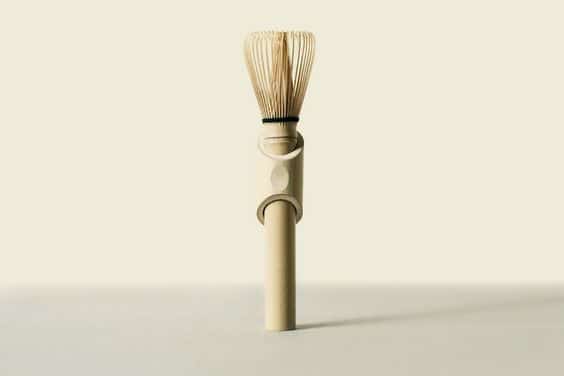
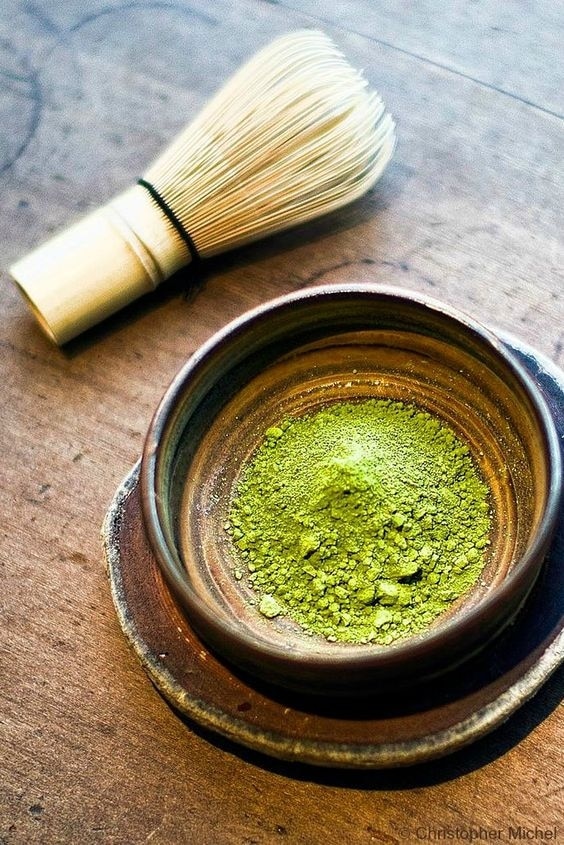
Chasen, one of the essential tools for brewing matcha

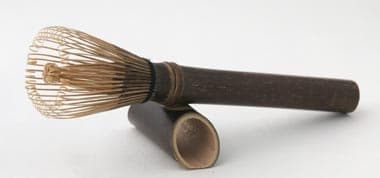
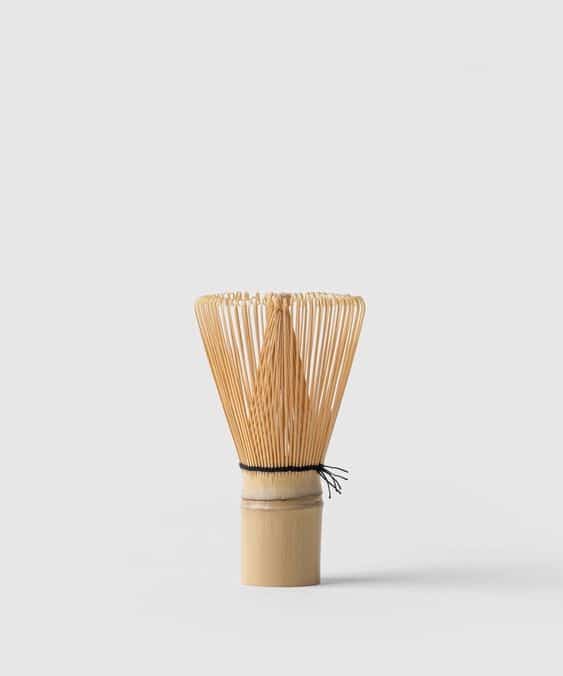
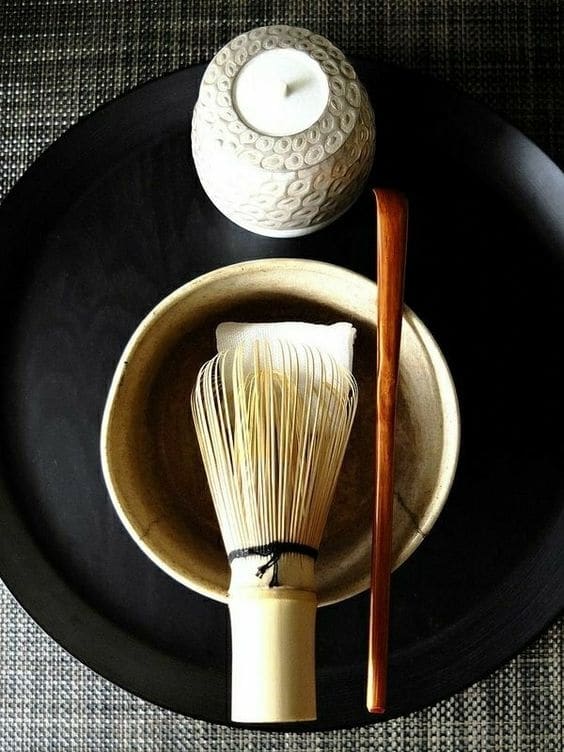
Chasen (茶筅 or tea whisk) is one of the most important tools for brewing and dissolving matcha powder. Therefore, it is very important to have the right type of brush and quality to get good matcha. There are many types of chasen, which have slight differences in materials, shapes, and usage. The main material used is bamboo. There are 3 main types of bamboo: Hachiku bamboo, Susudake bamboo, and Kurodake black bamboo. Hachiku bamboo is the most popular material for making chasen because its wood is smooth and soft, making it easy to carve. However, at the same time, it has low durability and is easy to break.

Susudake

If you use Susudake bamboo , it will be more durable, but it is harder to find. Kurodake bamboo is the heaviest material used for making chasen, lasting three times longer than Hachiku bamboo, but Kurodake bamboo is especially difficult to carve. The bamboo used for chasen is usually about three years old and is harvested in winter. After harvesting, the bamboo is dried for a year. First, in winter it is made outside, leaving the wood in the winter weather, then it is stored in a dry storage area and left there for the whole year.

Chasen

When the bamboo is ready, the most suitable and perfect bamboo is selected, cut into 9-12 cm long pieces and hand-carved into small pieces ready for use by the apprentices, and sent back to the master carver for further fine adjustments, including bending and spiraling.

Chasen Chasen

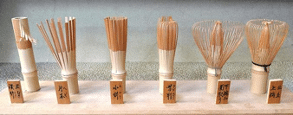
The final shape of the chasen is determined by many factors, such as Chu-araho, a chasen with 70 to 80 coarser bristles used for Koicha (strong matcha), and Kazuho, a chasen with up to 120 finer bristles used primarily for Uzucha (diluted matcha).

Although many countries have made efforts to produce chasen, Japan consistently produces better quality due to the craftsman’s attention to detail at every stage, from careful selection of bamboo to each cutting and shaping. This is because the quality of bamboo has a great impact on the durability of the chasen, which means that tea brewing made from high-quality bamboo has a longer lifespan.

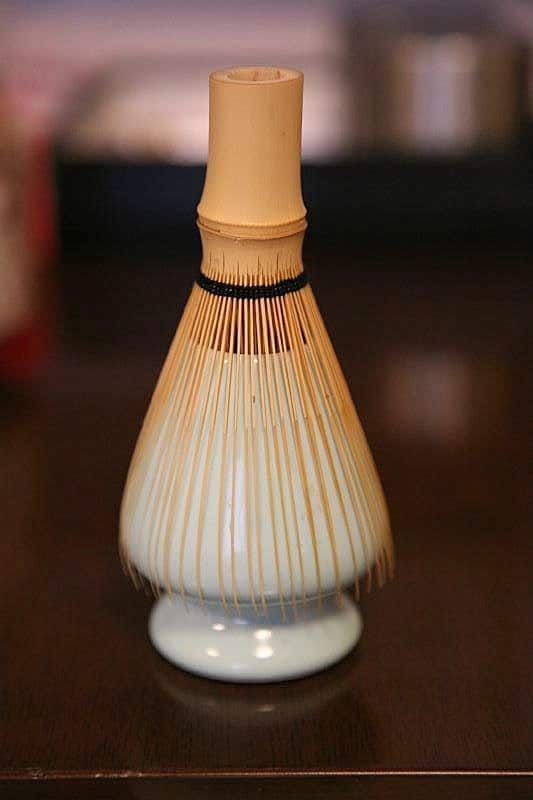
The finer the number of whisks, the smoother the matcha will be. Commonly sold chasen has between 16 and 120 whisks. The higher the number, the easier it is to whisk the tea powder into the water and whip the matcha into a fine, frothy foam. However, if there are fewer whisks, it will take longer to whip. As for how to use it, it is recommended to place the whisk part of the chasen into hot water for a few seconds to loosen the bamboo. The trick to whipping is to bend your wrist slightly while moving it. Whisk the ingredients as quickly as possible using an M or W-shape motion. After getting an even layer of foam, slowly use the whisk to rotate it again and it’s done.

Chasen Chasen

There are many types of chasen. In fact, there are as many as a hundred generations. In the early days, only one generation of chasen was made. However, after the Japanese tea ceremony became popular, many of Sen no Rikyu’s students went on to open their own teahouses, spreading the knowledge they had gained from studying with Rikyu. Each of them adapted some of the details to suit their own identity and values. As time passed, those small differences in the beginning gradually spread until they became the differences between each teahouse. This also includes the shape of the chasen that each teahouse uses to make tea.

The thread used to wrap the chasen also differs depending on the model. Normally, the chasen uses black thread, but the chasen used on special occasions is wrapped with red or white thread for good luck, especially the chasen model used on New Year’s Day.

Chasen

Want to know which tea whisks are popular? Read more in the article. >> Top 10 Green Tea Whisks: Which One is Good in 2022?

Source

http://japan-web-magazine.com/japanese-tea/japan-japanese-tea-ceremony0.html

https://zhaozhoutea.com/chasen-%E8%8C%B6%E7%AD%85-the-matcha-whiskchasen/

Article from: Fuwafuwa

 

Let’s take a deep dive into Genmaicha tea.

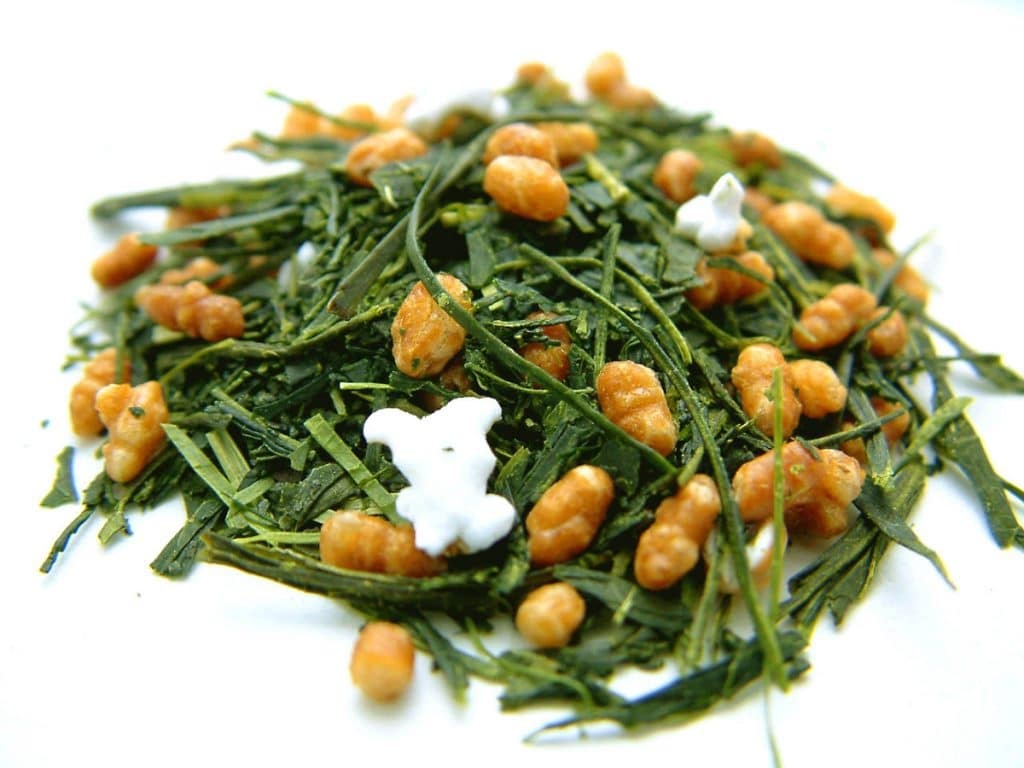
Genmaicha, which is known as roasted rice tea, did you know that it is also known as Brown Rice Tea or Popcorn Tea? Genmaicha is a hybrid of roasted rice tea and Japanese green tea (Bancha or Sencha) in a 1:1 ratio. Despite being a hybrid tea, Genmaicha’s amazing health benefits are just as numerous as those of green tea. Genmaicha has a unique aroma from roasted rice mixed with green tea leaves, giving it a popcorn-like aroma, hence the name Popcorn Tea. In addition, since it is a hybrid tea, it contains less caffeine than Bancha or Sencha. This makes Genmaicha a suitable tea for children and the elderly.

genmaicha

Bancha is considered second or third harvest green tea, so it has almost no bitterness and a refreshing taste. However, it is suitable for everyday drinking and does not contain much caffeine, making it suitable for children and the elderly to enjoy. Sencha is a common Japanese green tea that is grown in full sunlight after the new flower buds appear. It has a well-balanced bitterness and refreshing aroma, and is loved by people of all ages in Japan. It also accounts for more than 80% of the tea market in Japan. It also contains only 1/30th the caffeine content of a cup of coffee.

Both Bancha and Sencha teas are key ingredients in Genmaicha, contributing to its incredible health benefits, comparable to other teas. Brown rice, on the other hand, is considered the most aromatic rice when roasted to make Genmaicha.

The main nutrients in Genmaicha tea include catechins, theanine, vitamin C, vitamin B complex, and vitamin E, which all contribute to anti-aging. This is because catechins help prevent excess fat or sugar from being absorbed by the body and increase the number of good bacteria in the intestines. They act as antibacterial agents that prevent colds, food poisoning, and bad breath. In addition, Genmaicha tea is relatively high in vitamins, minerals, and dietary fiber, which helps prevent constipation and increase metabolism. It also contains gamma-oryzanol, which has a beneficial effect in reducing the risk of blood clots, diabetes, and obesity. The vitamin B complex in Genmaicha can help relieve fatigue and stress.

genmaicha genmaicha

As for the best time to drink Genmai tea, of course, you can drink it at any time. However, if you want to reduce your blood sugar levels, the best time is before a meal.

Drinking it during meals is also beneficial, as it helps control cholesterol and burn fat, as genmaicha tea is even more delicious and refreshing when eaten with certain fatty foods.

In addition, drinking it warm during or after meals will help improve digestion.

genmaicha

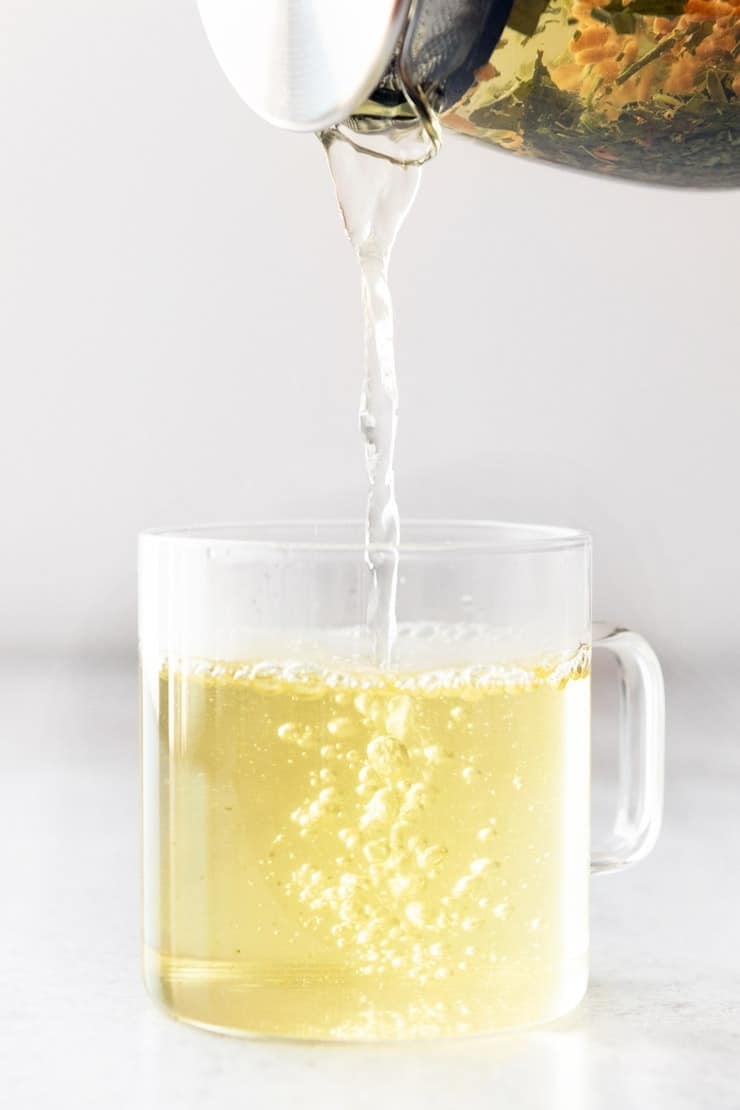
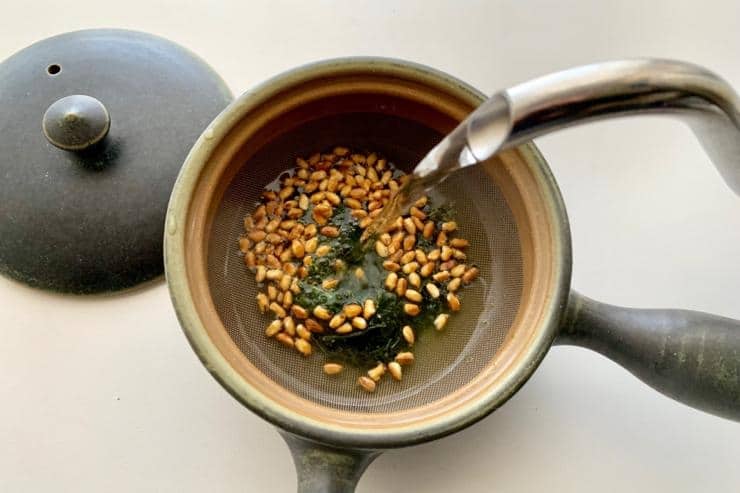
Brewing Genmaicha with boiling water will enhance the aroma and help the catechins work their best. Additionally, when brewing Genmaicha, the brewing time should be as short as possible to prevent tannins from being released, which can make it taste too bitter.

genmaicha

If you’re a fan of Matchazuki genmaicha tea, we recommend trying it in your desserts. The taste and texture are just as delicious as other types of tea. Importantly, using genmaicha in desserts isn’t very popular yet. If you’re looking to differentiate yourself, you might consider using it in cookies or as a topping on a chocolate bar. This could be quite interesting.

Source

https://www.ohhowcivilized.com/genmaicha-tea/?utm_source=pinterest&utm_medium=social&utm_campaign=social-pug

7 Health Benefits of Genmaicha and When to Drink

Matcha white chocolate with genmaicha

Article from: Fuwafuwa
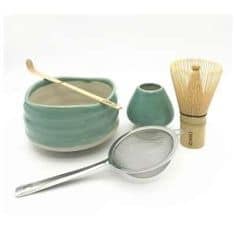
Sweetness and tea menu

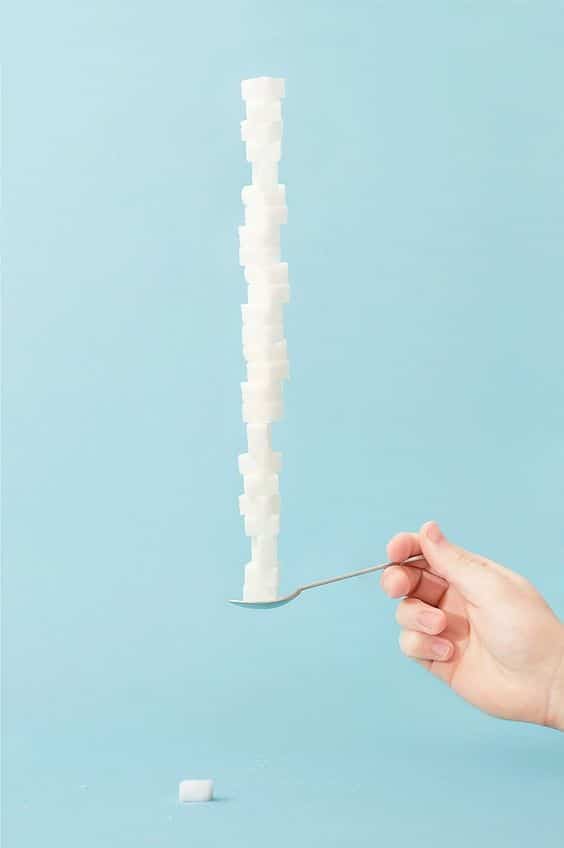
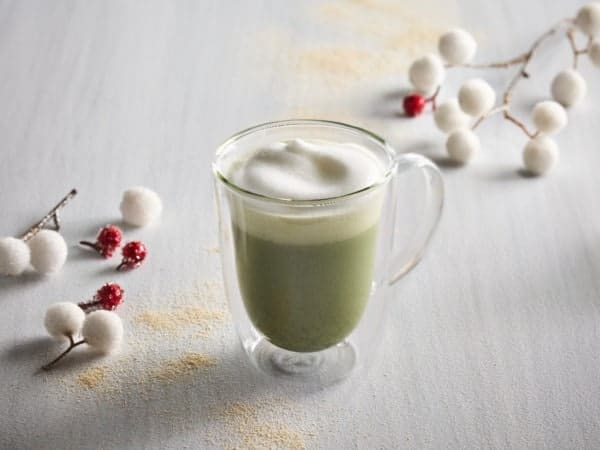
There’s no denying that the easy-to-drink tea beverage that’s popular among Thais isn’t just plain tea. It’s tea that’s sweetened with sugar and honey, and enhanced with milk for a more balanced flavor. Bottled teas sold in convenience stores, such as ready-to-drink green tea lattes, even those labeled as pure green tea, often contain significant amounts of sugar. However, it’s undeniable that this sweetness enhances the taste of your favorite tea and refreshes your body.

sweets sweets

Sweetness and tea menus are like a pair, but we can choose what to give the sweetness from besides sugar.

1. Syrup is obtained by simmering sugar and water over medium heat. It is clear in color and is often used to pour over Thai desserts with coconut milk. It is also used in coffee shops to add sweetness to drinks like tea and coffee. Bartenders also use it to mix in cocktails. Syrup can mean dissolving sugar in water to create various levels of sweetness. It is the most popular sweetener in the market, whether in cafes or tea shops, because it is convenient to brew and easy to store. However, be careful that pressing just one pump of syrup, which may seem like a small amount, but gives a surprisingly high amount of sweetness, is therefore not a good choice for health-conscious people.

2. Maple syrup is made from maple sap and boiled until it becomes a concentrated syrup. It is often used as a substitute for honey on desserts. However, pure maple syrup is rare. What we often see is artificial maple-flavored syrup. If you want to use it in green tea, the proportions are as follows: 4 cups of milk + 1 tablespoon of green tea powder + 1 tablespoon of maple syrup. Boil them together and pour foam over it. The taste is not much different from using sugar, except that you will get a different aroma and it is a lighter sweetness, not as sharp as syrup.

sweets

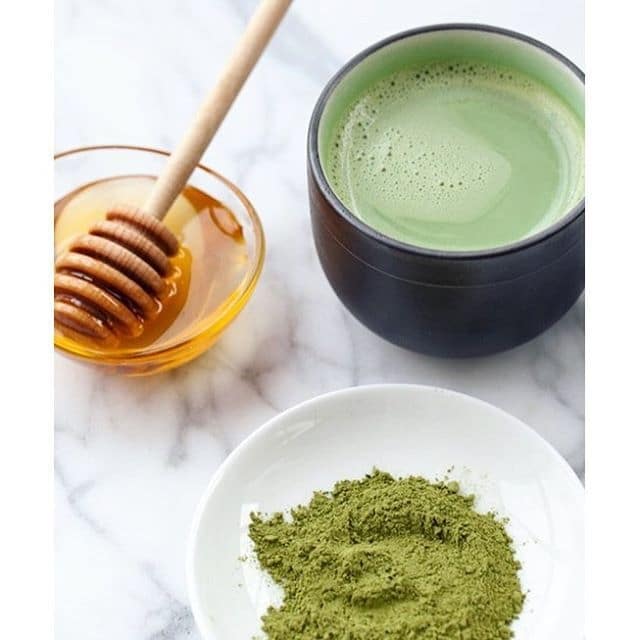
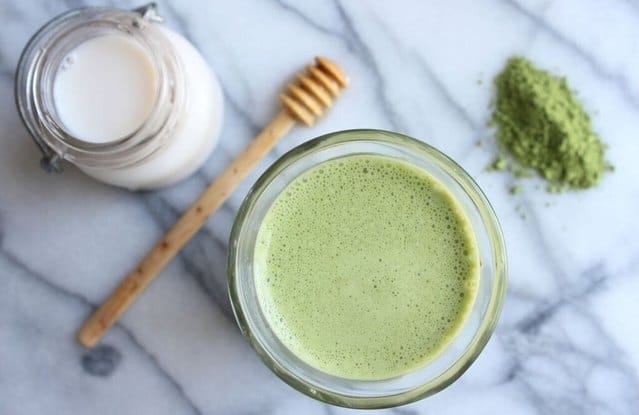
3. Honey: Naturally sweet, it’s just as sweet as sugar and contains protein, providing energy that keeps you energized. It also contains vitamins and minerals. However, consuming too much can lead to obesity. Honey contains glucose and fructose, which are single-molecule sugars that the body can absorb and use. Honey also contains antioxidants, which help slow down cell degeneration and improve the body’s immune system. Importantly, honey also provides sweetness and a unique aroma.

If you try making it with this recipe, it will help your tea menu stand out with the sweetness of honey. Or you can elevate the menu by using coconut milk instead of cow’s milk to make it suitable for people who are allergic to cow’s milk. Take 1 teaspoon of matcha powder + 1/2 cup of hot water + 1 cup of coconut milk + 1 teaspoon of honey.

sweets sweets

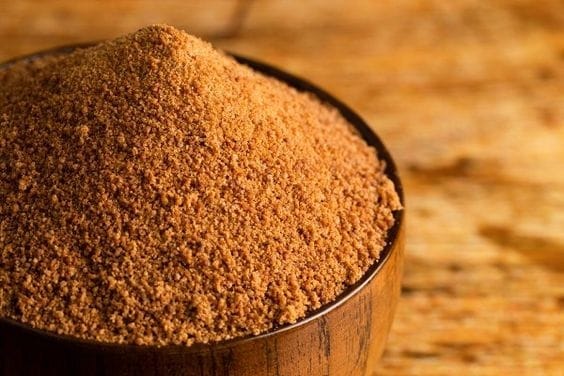
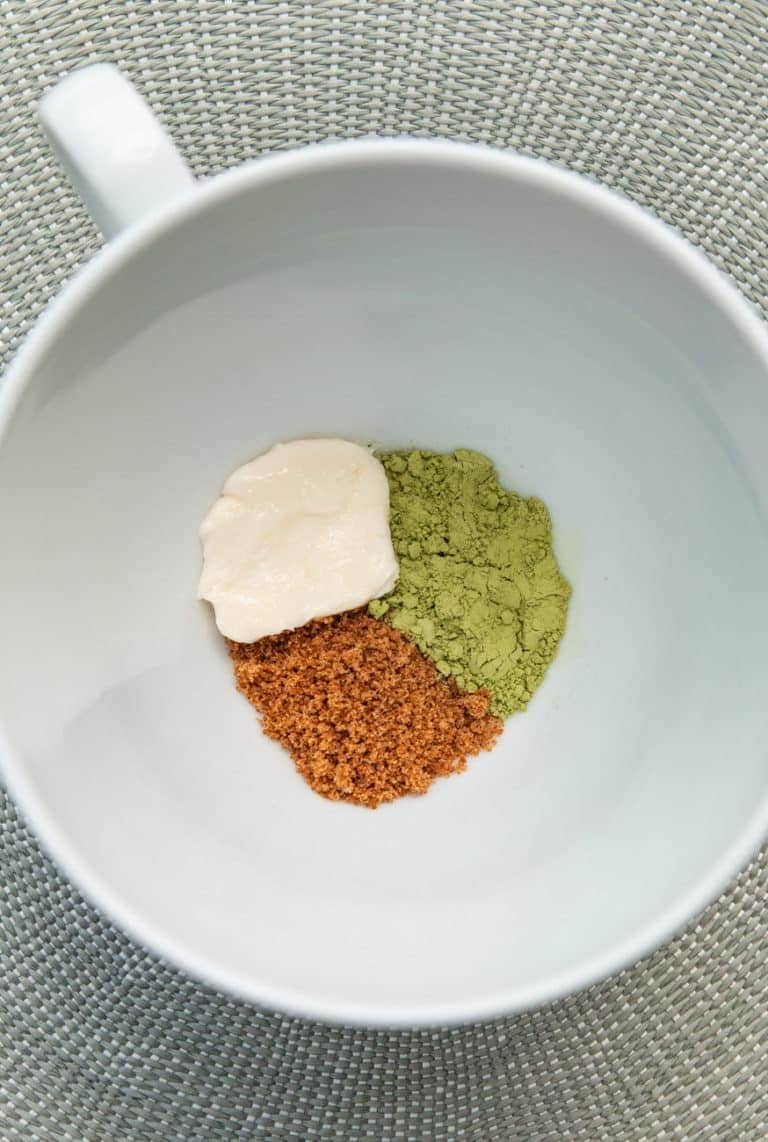
4. Coconut sugar is a great substitute for sugar because it’s a natural sugar that hasn’t been processed in many steps. Its color is similar to brown sugar, but its texture is coarser. It’s packed with nutrients that are beneficial to the body and won’t raise blood sugar levels. Before using it in cooking, it should be mixed with liquid. If using it to make a green tea latte, use a ratio of ½ teaspoon matcha powder + 2 teaspoons coconut sugar + 1 teaspoon coconut butter + 10 ounces of hot water. Mix together. However, you can skip adding butter if you prefer, as this recipe requires butter to give the green tea latte a rich flavor, unlike some recipes that use cream or condensed milk.

sweets sweets

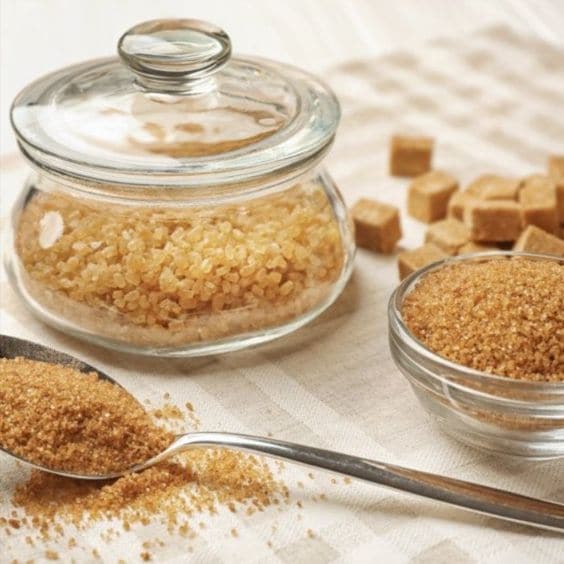
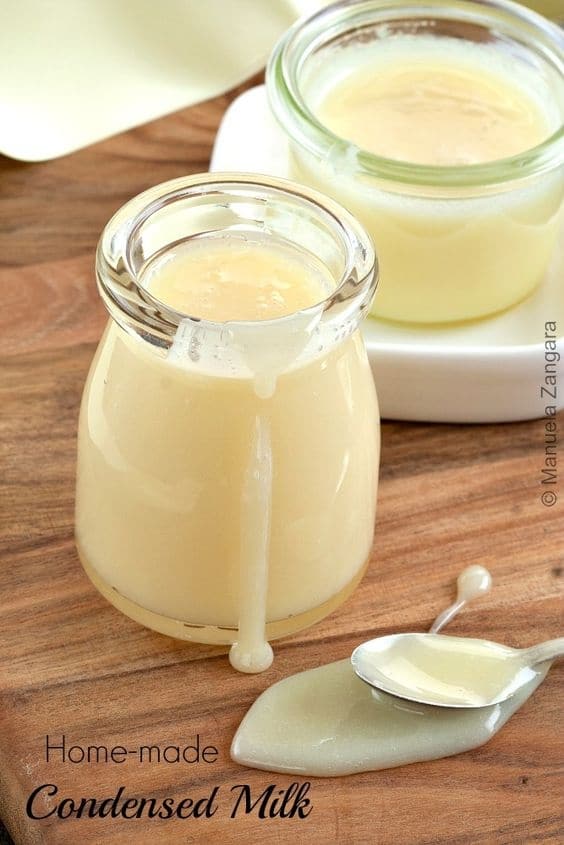
In addition to the above sweeteners, there are other options for tea, such as sweetened condensed milk, which provides a rich, creamy sweetness that’s a favorite among Thais, or brown sugar, simmered into a syrup that gives it a unique Japanese flavor and aroma . Stevia is considered the most natural and effective sugar substitute, as it’s 300 times sweeter than sugar yet low in calories. Stevia can be used in a variety of dishes or mixed with tea or coffee. It’s common to find beverage shops using stevia as a selling point, assuring customers that it won’t easily gain weight. However, it must be consumed in moderation.

sweets sweets

Choose the sweetness of your tea menu to suit your shop’s style. Create a unique tea menu that stands out from other shops easily with small details that many shops may overlook.

Source: http://www.byrdie.com/weight-loss-tips?utm_campaign=article-share&utm_source=social-pinterest-button&utm_medium=earned-social

https://www.livestrong.com/recipes/matcha-almond-milk-honey/

https://maplefromquebec.ca/recipes/maple-matcha-tea-latte/

https://www.cleaneatingkitchen.com/dairy-free-green-tea-matcha-latte/

Article from: Fuwafuwa
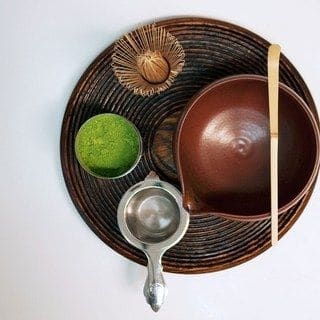
Things people often miss! When opening a tea shop

Cafes or beverage shops are one of the dream businesses of many people because they think that it is an easy business to open, with high profits. Just a good location, delicious drinks, and a beautiful and stylish shop decoration should be successful. But did you know that opening a beverage shop today is in a market with increasing competition? Therefore, opening a shop should be carefully calculated before starting that business. So before opening a shop or making any decisions, consider these factors first to see what you are missing.

1. Not knowing what you are selling is not enough. This is the most important thing, whether it is tea leaves, tea powder, each type, where it comes from, what kind of tea plantation grows the tea, what processes are used, if we have this information, we will be able to answer customers’ questions with confidence about what our brand’s strengths are. Don’t forget to study and experiment about the types of tea, taste, smell and properties, how they differ, what temperature of water to use for brewing, and the media used to present to customers the differences in the teas at the shop.

The tea menu is a menu that any shop can make, but making it different and having a consistent taste is something that requires training and specific techniques.

Matcha Cafe Matcha Cafe

2. Unclear branding : This is because we see other brands doing well and then try to do the same without thoroughly studying the surrounding factors. For example, there are many bubble tea shops that have opened recently. They have similar names, similar menus, but different prices and no clear brand identity. This type of shop will be swallowed up. Before opening a shop, you should be able to answer why customers buy tea from your shop and not from competitors. It could be about the service of the staff in the shop, such as serving cold hand towels when they arrive at the shop like in Japanese restaurants. Or small details that we should pay attention to in order to use as strengths of the shop, such as the way tea is presented at the counter. It could be drip tea, brewed with a traditional kettle or brewed with Japanese-style chasen, or using a shake or a milk frother, for people in a hurry.

Matcha Cafe Matcha Cafe

3. Investing too much in unnecessary things. Because shop owners these days focus on the beauty of the shop, having a cool corner for taking pictures and posting on social media. These things make the budget for decorating the shop quite high, to the point that sometimes the budget may go over. Actually, this idea is not wrong, but don’t forget that the more you invest, the longer the payback period will be. Moreover, if you have a limited budget but invest too much in unnecessary things, it will affect the amount of capital that will be used to generate income for the shop. Because don’t forget that in addition to decoration, there are other expenses such as tea making equipment, good ingredients or efficient staff salaries. Therefore, dividing the investment appropriately must start from the beginning. Or if anyone has no idea for decorating, try looking at the Japanese style that emphasizes simplicity, drinking tea in a beautiful, quiet garden, no need for flashy decoration. Add a Japanese atmosphere with Japanese picture magazines, and you will be fully satisfied with the atmosphere in the shop.

Matcha Cafe Matcha Cafe Matcha Cafe

4. Choosing the wrong location, not matching the target group, or choosing a location in an area with a lot of competitors or a future competitor. Competitors are an important factor that makes the sales target not reach the target. Don’t forget to analyze how many of our target groups are in that area. Do they have purchasing power? For example, if the area is a school area but selling tea at a high price may not be suitable. Analyze how much each competitor is charging, what are their weaknesses and strengths, and look back at yourself to see how you can beat them.

5. Forget to calculate the cost of raw materials, waste and other hidden costs that will occur every day. For example, those who use imported tea leaves from Japan or other countries must be very careful. Don’t forget to calculate the shipping cost, the tax on buying tea leaves here. Which shipping method costs how much? Some raw materials that are easily spoiled, if not used up, may unknowingly create waste, such as milk, ice, cream. What about welfare costs, food costs, OT costs, etc. In addition, there are water costs, electricity costs, depreciation costs of various equipment, glass costs, tissue costs, etc. When calculated, how many % of profit will be left per glass?

6. Lack of experience and knowledge. You have to be careful about everything from income and expense accounts and separating personal money from the store’s money to see profit and loss, balance sheets, employee management, including order taking systems, cutting raw material stocks that need to be learned so that the business can run smoothly and be successful.

Source

https://www.pinterest.com/pin/491596115581630781/

http://rover.ebay.com

https://www.morimatea.com/

Article from: Fuwafuwa
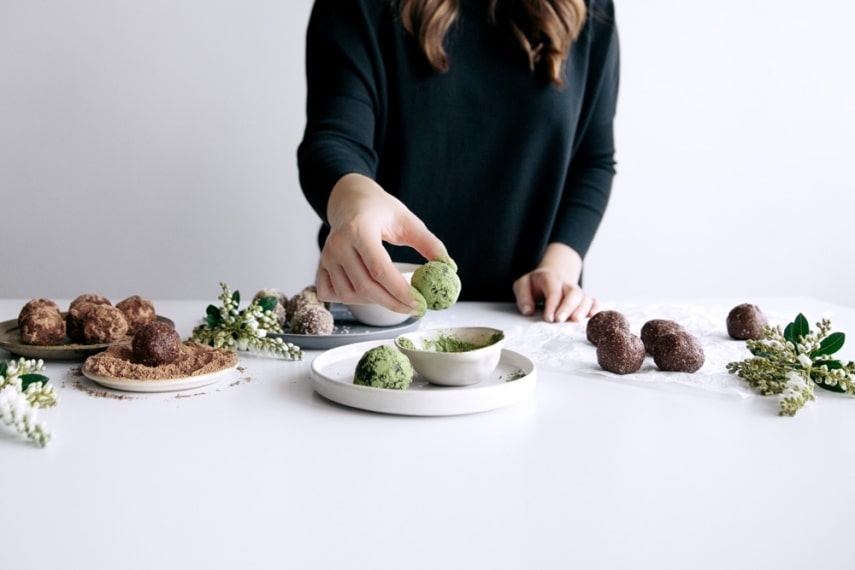
How to check if matcha powder is of good quality

With the popularity of matcha powder and green tea influenced by Japan, there are rapidly increasing sources of matcha powder and green tea leaves in Thailand, whether imported from Japan, China, or even produced in Thailand. The origin of each tea affects the different tastes and aromas. Another point to be careful about is not telling the true properties of the tea leaves. Every shop will say that it is original tea from Japan, so how can we know which shops have real green tea powder? You can observe these factors.

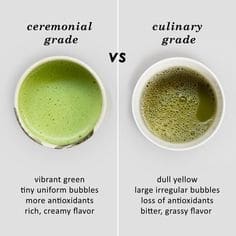
  1. The first thing to notice is color . The darker the matcha, the less bitter it will be. This is because it is a well-maintained matcha, a good variety, with a dark green color. It can be drunk directly as a thick brew (Koicha). It is recommended to use a lower grade of matcha powder used in baking because it will have a more intense flavor. When mixed with other ingredients, it will create a more intense flavor. Also, don’t forget to check the container or package that the tea is in. Good matcha powder has a shelf life of about 6 months and should be used up within 4 months after opening. If stored longer than that, the color will start to fade and the aroma will be less fragrant. This is because the tea leaves are steamed at high temperatures during the manufacturing process to stop the oxidation reaction. However, as time passes, the tea leaves are constantly exposed to oxygen, causing them to turn yellow, just like normal leaves that change from green to yellow.

Matcha Quality

2. Ingredients: Some matcha powders are actually cheap. This is partly due to the fact that the matcha powder is mixed with flour, not pure green tea. This is why they can be so cheap. Don’t forget to flip the package to read the ingredients clearly before buying the wrong one.

3. Reviews from other customers: Don’t forget to check out reviews from people who have already purchased and consumed the product to see what delicious dishes it can be made into and how much to use. This will provide ideas and encourage those who read the reviews to buy it and try it out.

Matcha Quality

4. Source: Check the source clearly to see which city in Japan it comes from. For example, the most popular cities for green tea are Uji and Kyoto. However, Shizuoka is also equally famous. Knowing the source in detail will help us be more confident in the quality of the tea.

5. Price: Don’t forget to compare market prices to see if the tea you’re buying is too expensive or too cheap. Even if it’s a good quality tea imported from Japan, you should check prices from multiple sources. And don’t forget to check prices from Japan itself, because some products imported directly from the source are several times cheaper than those produced in Thailand. Green tea itself comes in many grades, and each grade has a different price. Checking the same grade will give you the clearest price range.

6. The seller’s name may not be a significant factor, but if you know the source, have a Line@ page, Facebook page, or a reliable website, this is another factor that will help build consumer confidence.

Just 6 simple things to be careful of and think about before buying to ensure you get good quality tea at a reasonable price.

Source

https://www.rishi-tea.com

https://cookingchew.com/matcha.html

https://drericz.com/recipes/diy-super-greens-mix/

Article: Fuwafuwa
ข้อควรระวังในการดื่มชา ที่หลายคนอาจจะยังไม่รู้

Main Idea : หลายคนคงทราบกันอยู่แล้วว่า การดื่มชามีประโยชน์มากมาย แต่น้อยคนนักจะรู้ว่าการดื่มชามากจนเกินไปจะมีผลเสียต่อร่างกายพอสมควรเลยทีเดียว

1. การดื่มน้ำชาไม่ว่าจะชาร้อนหรือชาแช่เย็น ไม่ควรแต่งรสด้วยนมสด นมข้นหรือนมผง เพราะโปรตีนในนมจะไปจับกับสารสำคัญในชา ทำลายประสิทธิภาพสารออกฤทธิ์ที่เป็นประโยชน์ต่อร่างกาย วิธีการดื่มชาเขียวให้เกิดประโยชน์ต่อสุขภาพ จึงควรดื่มน้ำชาล้วนๆไม่ควรปรุงแต่ง นอกจากจะได้สารอาหารที่ครบถ้วนแล้วยังไม่อ้วนจากน้ำตาลที่ปรุงแต่งเข้าไปด้วย

2. ใบชายังมีองค์ประกอบของฟลูออไรด์ในปริมาณที่ค่อนข้างสูง และสูงกว่าปริมาณในน้ำประปา หากดื่มในปริมาณที่มากเกินไป จะเกิดการสะสม มีผลให้ไตวาย เกิดมะเร็งลำไส้ โรคกระดูกพรุน (Osteofluorosis) โรคข้อ และโรคอื่นๆที่เกี่ยวกับกระดูก และยังทำให้ฟันเกิดคราบเหลืองได้ ยิ้มฟันขาวๆจะหายไป แต่ผู้ที่ดื่มไม่มาก ก็คงไม่ต้องกังวล


3. หลีกเลี่ยงชาที่มีส่วนผสมของคอมเฟรย์ (comfrey) ซึ่งมีสารไพโรลิซิดีน อัลคาลอยด์ อันอาจเป็นอันตรายต่อตับ ในบางประเทษดอกคอมเฟรย์เป็นเรื่องต้องห้ามเลย

4. สารออกซาเรท (oxalate) ในชาที่มีอยู่ในปริมาณน้อย แต่หากผู้ที่ชื่นชอบการดื่มชามากจนเกินไปและดื่มบ่อยๆเป็นประจำ จะสะสมสารออกซาเรทในร่างกายได้ อาจส่งผลต่อการทำลายไตได้

5. ใบชามีคาเฟอีนในปริมาณสูง อาจสูงกว่าในเมล็ดกาแฟด้วยซ้ำไป เพียงแต่การดื่มน้ำชา สารแทนนินจากน้ำชาจะช่วยลดการดูดซึมของคาแฟอีนเข้าสู่ร่างกาย ทำให้ฤทธิ์การกระตุ้นหัวใจและสมองน้อยกว่ากาแฟมากคาเฟอีน แต่ก็ส่งผลต่อการนอนเช่นเดียวกับกาแฟ ดังนั้นไม่ควรดื่มภายในสามชั่วโมงก่อนเข้านอน

6. สารแทนนินที่มีอยู่ในชาเขียวซึ่งเป็นสารที่มีฤทธิ์ทำให้เกิดอาการท้องผูก เพราะสารตัวนี้ทำหน้าที่ยับยั้งการดูดซึมสารอาหารสำคัญอีกหลายชนิด ไม่ว่าจะเป็นโปรตีน เหล็กและโฟลิก เพราะฉะนั้น เพื่อป้องกันปัญหาท้องผูกตามมา แนะนำให้คุณหันมาดื่มชาเขียวแต่เพียงในปริมาณพอดี โดยดื่มวันละไม่ควรเกินกว่า 5 แก้ว ร่วมกับการดื่มน้ำให้มากๆ และกินอาหารที่มีกากใยสูง ก็จะช่วยปรับระบบขับถ่ายให้ทำงานคล่องตัวขึ้นได้แล้ว ดังนั้นจึงมักจะมีคำแนะนำไม่ให้เด็กดื่มน้ำชา ไม่ว่าจะเป็นชาเขียวแช่เย็นหรือชาร้อน เพราะจะทำให้ร่างกายขาดสารอาหารได้

7. สารคาเทคชินส์ (Catechins) ที่อยู่ในชา จะถูกความร้อนทำลายไปเกือบหมด คงเหลือแต่ความหอมและรสชาติ ถ้าต้องการดื่มชาร้อนๆ ควรดื่มน้ำชาที่เข้มข้น เช่นเดียวกับคนจีน ที่นิยมชงชาจีนรสเข้มข้นในถ้วยชาใบจิ๋วคล้ายกับการดื่มกาแฟเอ็กซ์เพรซโซ่ ความเข้มข้นของใบชาจะทำให้มีปริมาณสารคาเทคชินส์ที่เข้มข้น และแม้ว่าสารเหล่านี้จะสลายตัวไปบางส่วนเมื่อโดนความร้อนจากน้ำร้อน แต่จะยังคงมีบางส่วนที่หลงเหลืออยู่ ที่มีประโยชน์ต่อสุขภาพได้บ้าง


ไม่ว่าจะเป็นชาเขียวหรือชาชนิดใดก็ตาม ควรดื่มในปริมาณ และเวลาที่เหมาะสมเพื่อบำรุงร่างกายจะดีกว่าการดื่มที่มากเกินไป ^^

ที่มา

https://bit.ly/3a3MFi2

https://www.ful-filled.com/2018/01/23/all-about-matcha/

https://health.mthai.com/howto/health-care/12777.html

https://mommypotamus.com/comfrey/

By : Contrary To Popular Belief

Share on facebook
Share on twitter

Related Blogs