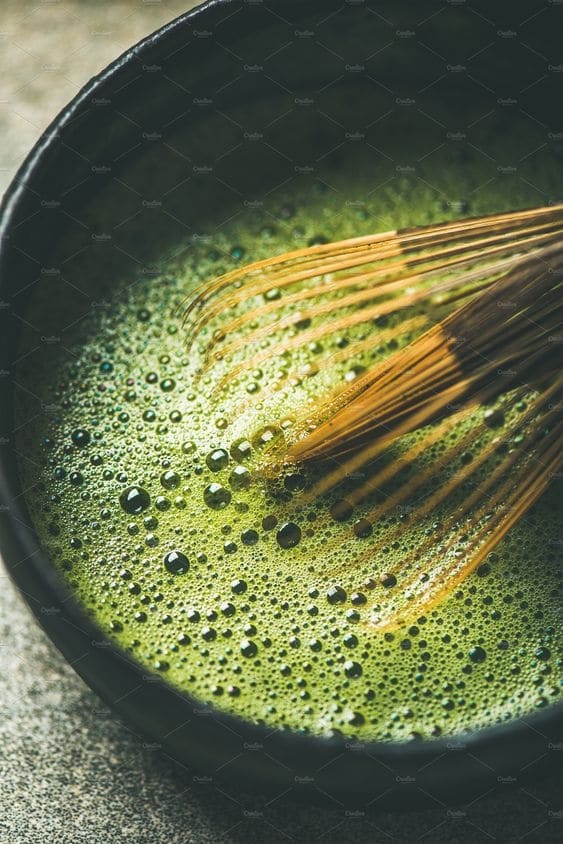
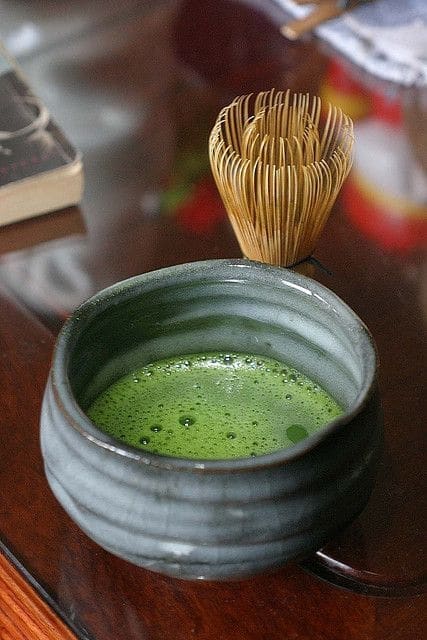
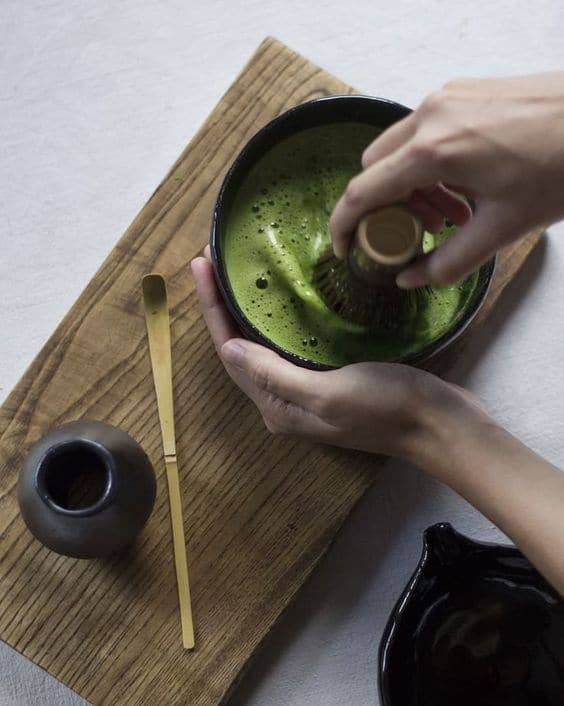
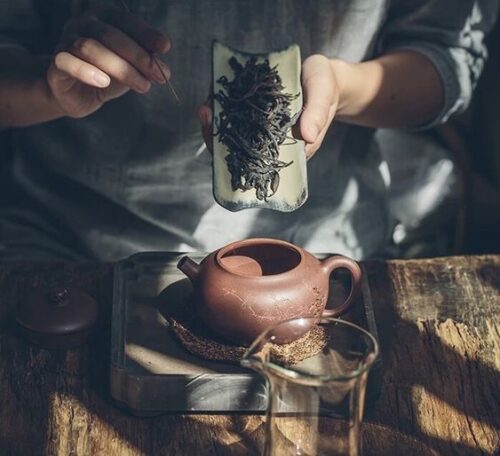
How to manage matcha powder to increase sales!

During this economic downturn, many shops have seen their sales drop. With the COVID-19 pandemic, customers are spending less. Many shops may have trouble controlling their ingredients, which they had planned carefully. Some ingredients are quite expensive. If they are not managed well, the shop may lose money.

Easy ways to manage your store’s ingredients before they expire
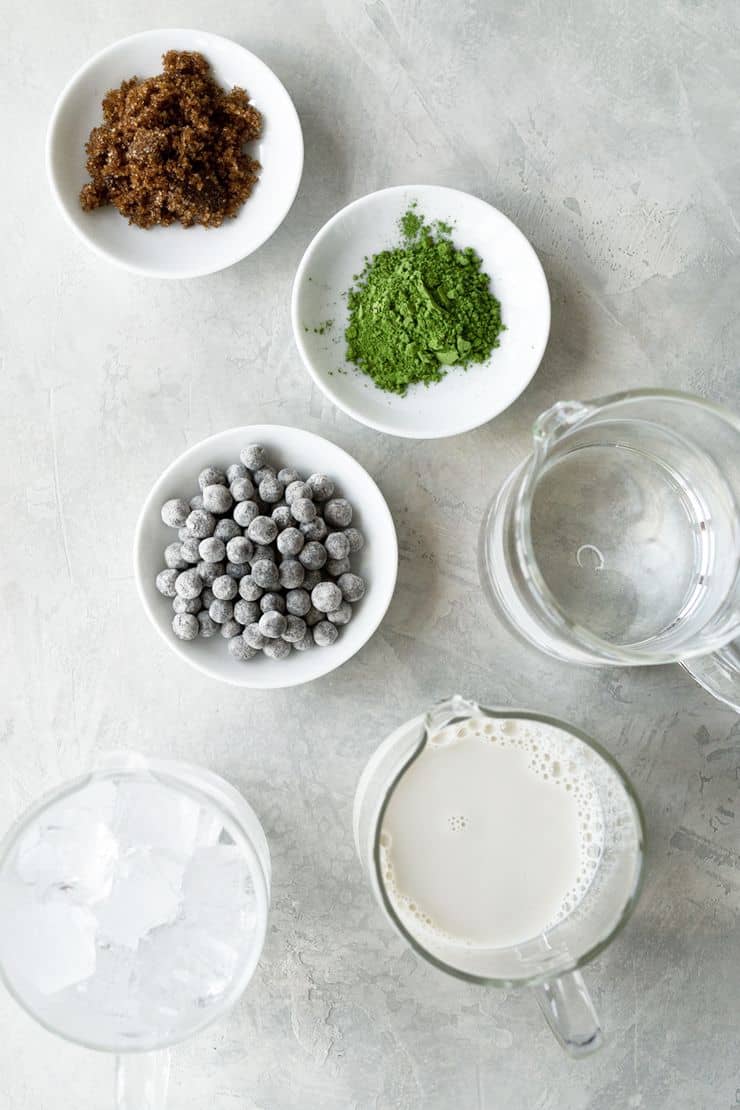

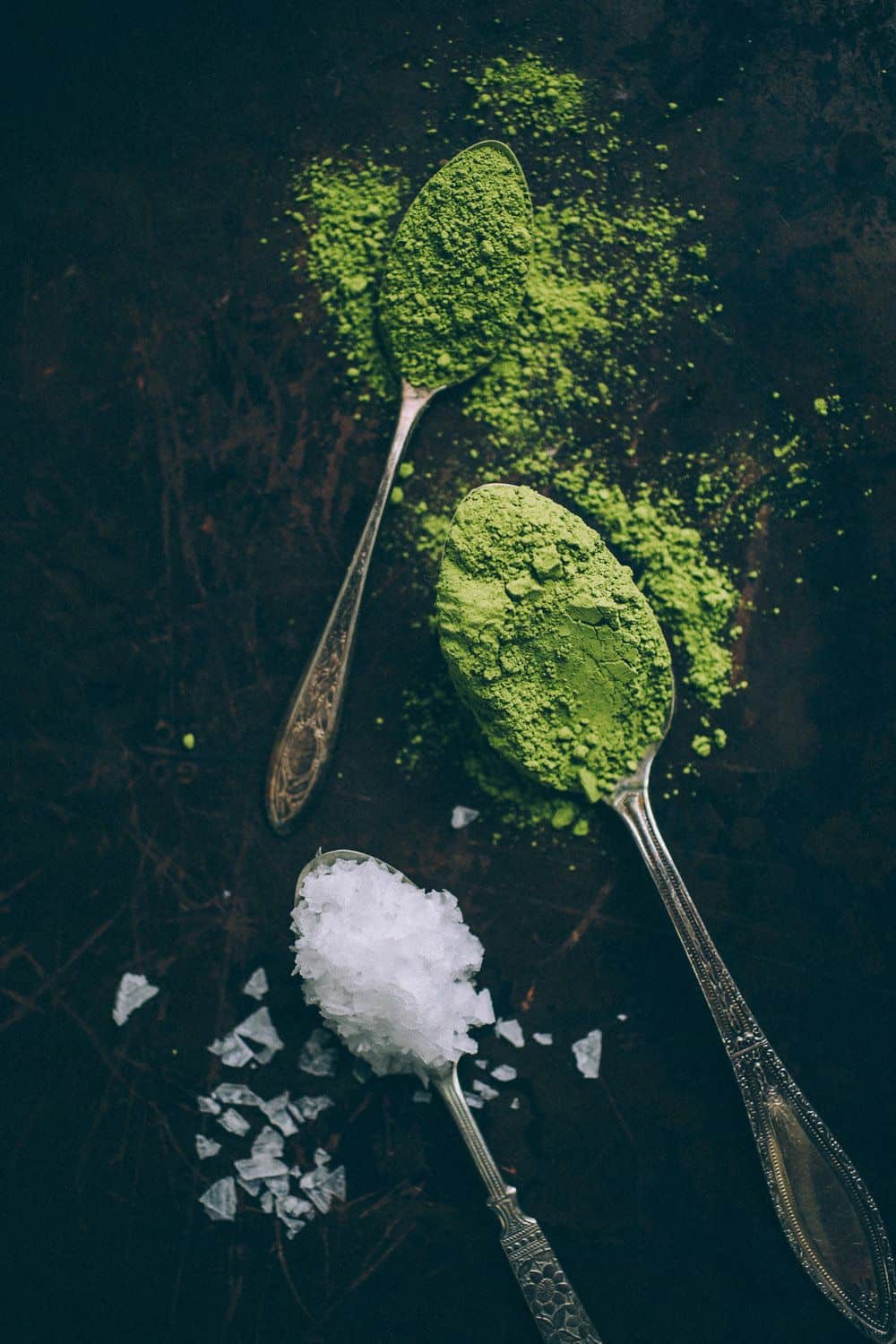
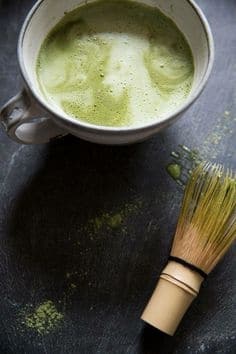
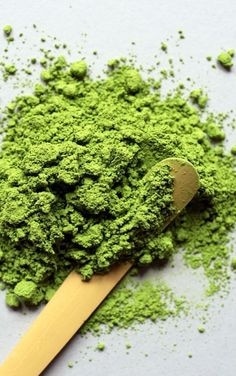
  • Recheck the stock of all ingredients for expiration dates and storage methods, such as tea powder that cannot be exposed to light, should be stored in a tightly closed place in the refrigerator properly so that it does not spoil before the specified time. Similarly, various equipment and tools are equally important. If they are not used properly, they may spoil easily, requiring repair costs or the need to buy new ones. For example, drying tea leaves or tea brushes should be inserted into their respective stands and left to air dry before storing to prevent mold.
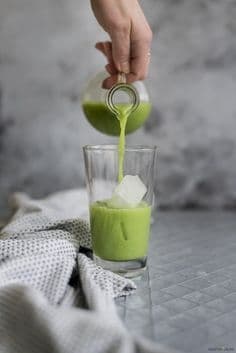
  • Modify dessert shops Many beverage shops may be thinking hard about how to sell when customers don’t come to the store. The important thing is to modify and turn to delivery. The serving style of each menu, which is usually fancy, may have to be modified. For example, water menus may be delivered in a bottle version instead, which is easy to deliver and customers will be impressed. Or for dessert menus, try to see how to serve them, such as dividing the sauce, dividing the main components of the dessert into boxes for serving.
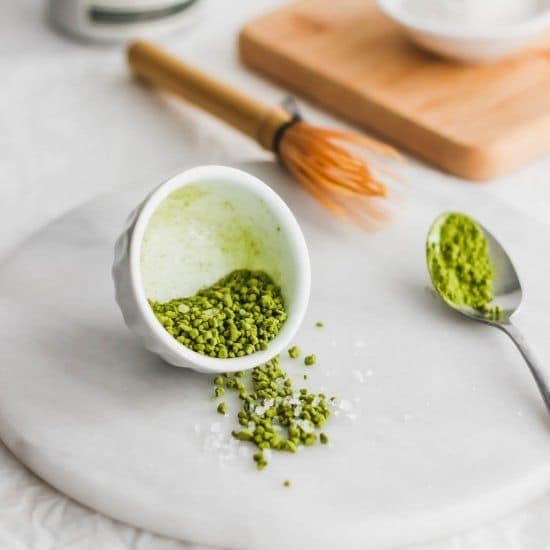
  • Develop from the original ingredients in the shop as much as possible. Some ingredients that are fresh and easily spoiled, such as fresh milk or cream that have been ordered and stocked, must be modified to serve customers before they spoil. For example, some milk can be used as an ingredient in making bread, which will extend the shelf life of bread longer than regular fresh milk. Or, for those who stock a lot of tea powder for making various menus in the shop, some tea can be divided, mixed with flour, baking powder, and packaged as Matcha Pancake Powder, a special recipe of the shop, so that customers can order it to make pancakes. This is an indirect activity for customers to have fun with themselves during this time when they have to stay home for a long time.

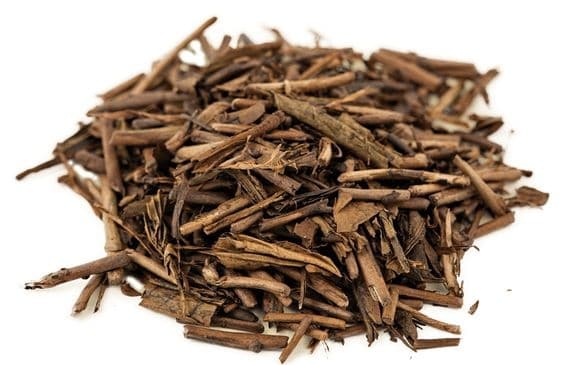
Just 3 simple techniques will help the ingredients in the shop to be used most efficiently. But if anyone wants to buy more ingredients for the shop, you can order matcha green tea powder, hojicha tea powder, and other tea making equipment at https://matchazuki.com/shop/ We have a delivery service to your home.

Source

https://www.willfrolicforfood.com/blog/grain-free-chickpea-ravioli-with-almond-ricotta-filling

https://www.ohhowcivilized.com/matcha-bubble-tea/

https://kirbiecravings.com/the-best-matcha-powder/

https://www.aarp.org/home-family/friends-family/info-2017/milk-delivery-service.html

By : Contrary To Popular Belief

Share on facebook
Share on Twitter
Blogs

Add some color to your tea shop with these cool workshop ideas.

Opening a cafe to sell food, desserts, and drinks alone may not be enough these days. With more competitors, you may feel that your shop is too quiet. Holding promotions alone is not enough. Organizing small workshops in the shop is another idea that creates a colorful and new atmosphere in the shop. In addition to helping create an experience for customers, it also attracts a new group of customers who may have never been to the shop before but enjoy workshops to join in the fun at the shop.

5 cool workshop activity ideas that can be easily organized in your shop:

1. Organizing a Japanese-style tea ceremony workshop alongside making wagashi sweets. Because it is a unique Japanese tea ceremony culture that is different from making bakery goods, many dessert lovers would like to try making wagashi sweets, which requires white beans and meticulous design, as well as a full-fledged Japanese tea ceremony that green tea lovers will feel like they want to experience making your favorite cup of green tea themselves. During the workshop, knowledge about green tea can be inserted, such as the benefits of tea and life philosophy gained from making tea, etc.

Workshop Workshop

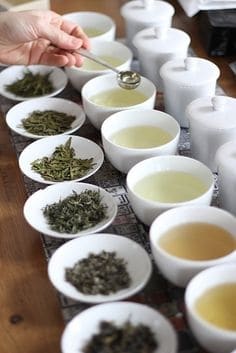
2. Making tea tasting for tea lovers to enjoy. This idea is suitable for shops that have many types of tea drinks, such as green tea, Hojicha, Genmaicha, or even shops that have green tea with different concentrations. They bring each type of tea to brew and smell to practice observing the differences in tea flavors due to climate, terrain, and the different production processes of each type of tea, which gives different textures. Practicing tasting and providing knowledge to customers about each type of tea is an activity that is very suitable for true tea lovers. It may seem a bit academic, but if the shop creates a relaxing atmosphere and provides clear information about each type of tea, it will show that our shop is a real tea specialist.

Workshop Workshop

3. Making green tea desserts This activity is very easy to do. It does not require in-depth expertise like other activities. If your shop has green tea bakery, you can open a small workshop for those who want to try cooking and baking but do not know where to start. You will have the opportunity to try making your favorite green tea desserts with your shop providing advice throughout. You can organize a green tea dessert menu or Hojicha tea every week to attract your customer base who are impressed to come back and make more menus without repeating the menu, such as making green tea ice cream, green tea cookies, Hojicha tea pudding, etc.

Workshop

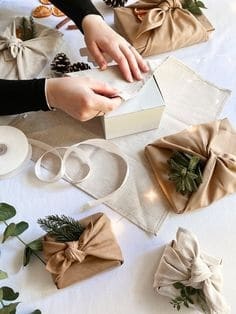
4. Wrapping Japanese-style Furoshiki cloth for giving tea powder as a gift. This event is perfect during festivals such as Valentine’s Day, Father’s Day, Mother’s Day, and Christmas and New Year’s when everyone gives gifts to each other. Let your customers be immersed in Japanese culture by wrapping the gifts they buy. Or buy a tea powder set from the shop and package it in an eco-friendly way, without using plastic bags, with chic cloth. You can make it into many patterns for customers to choose from according to the personality of the recipient.

Workshop

5. Painting teacups or making Kintsugi, an activity for art lovers that has become increasingly popular. With the philosophy gained from these teacups, it has become more and more popular. Of course, teacups are the favorite containers of tea lovers. If you try painting patterns or learn the technique of lacquering and welding teacups that break on their own, you will definitely enjoy drinking tea even more.

Workshop

For customers who are interested in joining these activities, the store can set various conditions, such as:

  • You must purchase the product in the store first to receive the workshop privilege at a reduced price or
  • Join for free if your purchase reaches XX baht.

On the other hand, you can give special discounts to all participants after the workshop to turn this group of customers into in-store customers through the promotions set up by the store.

Source

http://moichizen.exblog.jp/5313611/

http://evergreenhostel.com

http://www.boredpanda.com/flower-14/

Article from : Fuwafuwa

4 reasons why your green tea doesn’t foam

Normally, when brewing green tea with green tea powder, a chasen or milk frother is used to help whisk the tea until it dissolves in the water. Sometimes, whisking the tea powder with the same equipment and techniques produces different results. The tea powder may not dissolve, and the whipping process may not produce beautiful foam. This makes food photos look unappetizing. Let’s take a look at the causes.

Matcha Frothy

1. Not straining the matcha before whipping. Generally, matcha powder does not need to be sifted, but if you want a beautiful foam when whipping, you should sift it once, just like you would before using flour to make desserts. Because tea powder and flour, when stored in a container for a long time, can clump again. Sifting before whipping will help you get a smoother matcha drink and also create beautiful layers of foam.

2. The wrong proportion of water to tea. If you add too much water, it will be difficult to foam matcha and you may end up with a lot of large air bubbles, which is something we don’t want. To brew a beautiful and appetizing matcha, you need to have very little foam. If you add too much matcha powder, you will get a very concentrated green tea. However, it often happens that when you use more matcha powder for a stronger flavor, but the amount of liquid (water) stays the same, it is not enough to dissolve the matcha powder. Therefore, it is difficult. The strength of the tea is usually up to personal preference, but a general ratio for beating matcha powder is 2 bamboo spoons (or 1 teaspoon) to 2-3 ounces of water. If you want to adjust the strength yourself, remember to add more water to the level that can dissolve the tea powder.

Matcha Frothy

3. The water temperature is too low. If the water is too cold, it will be difficult to rest the matcha in the water, which will result in clumps rather than foam. There is no set formula for water temperature, but there are recommendations for optimum flavor, based on the shop’s preferences. Of course, using water that is too hot will not ensure optimal powder dissolution. However, if the water temperature is too low, the tea will not dissolve as well as it should. 85 degrees Celsius is the ideal temperature.

Matcha Frothy Matcha Frothy

4. The matcha used is of deteriorated quality. If the matcha powder is of a low-quality, ordinary grade, or has been stored for too long using improper storage methods, even though it can be whipped continuously and drunk normally, the perfect matcha foam will not appear. This is because low-quality matcha powder is difficult to whip. Even if some air bubbles are present, they will not be smooth and the liquid beneath the surface of the foam is likely to be exposed.

Whipping tea to create foam is simply a cosmetic step to make the tea look more appetizing. Some restaurants may require little or no foam at all, depending on the presentation they intend. So, if you see tea with no foam, it doesn’t necessarily mean the tea is of poor quality.

Source

https://creativemarket.com/Foxys/2137243-Flat-lay-of-freshly-brewed-Japanese

https://www.instagram.com/p/BoOKZJ5AQa-/

http://www.flickr.com/photos/corylum/3814974483/in/photostream

Article from: Fuwafuwa

Uncovering the History of Green Tea in Thailand

การดื่มชาได้เริ่มขึ้นในประเทศจีน คาดว่าไม่น้อยกว่า 2,167 ปีก่อนคริสตกาล ตำนานการเริ่มต้นของการดื่มชามีหลายตำนาน บ้างก็กล่าวว่าจักรพรรดิเสินหนิงของจีน (Shen Nung) ค้นพบวิธีชงชาโดยบังเอิญ เมื่อพระองค์ทรงต้มน้ำดื่มใกล้ๆ กับต้นชา ขณะรอคอยให้น้ำเดือด กิ่งชาได้หล่นลงในหม้อชา สักพักหนึ่งกลิ่นหอมกรุ่นก็โชยออกมา เมื่อพระองค์เอากิ่งชาออกแล้วทรงดื่ม ก็พบว่า มันทำให้สดชื่น การดื่มชาจึงแพร่หลายมากขึ้นในเวลาต่อมา นอกจากทรงค้นพบสรรพคุณของชาแล้ว พระองค์ยังทรงค้นคว้าและทดสอบสมุนไพรชนิดต่างๆ กว่า 200 ชนิด จนได้มีการเผยแพร่ไปยังประเทศต่างๆ ทั้งญี่ปุ่น อินเดีย รวมถึงที่ไทยเอง

matcha history matcha history

ในสมัยสุโขทัยช่วงที่มีการแลกเปลี่ยนวัฒนธรรมกับจีน พบว่าได้มีการดื่มชากัน แต่ก็ไม่ปรากฏหลักฐานว่านำเข้ามาอย่างไร และเมื่อใด แต่จากจดหมายของท่านลาลูแบร์ ในสมัยสมเด็จพระนารายณ์มหาราชได้กล่าวไว้ว่า คนไทยได้รู้จักการดื่มน้ำชาแล้ว โดยนิยมชงชาเพื่อรับแขก การดื่มชาของคนไทยสมัยนั้นดื่มแบบชาจีนไม่ใส่น้ำตาล แต่บางตำราก็บอกว่าคนสมัยนั้นจะอมน้ำตาลกรวดใส่ปากก่อน แล้วจิบน้ำชาร้อนๆตาม ระหว่างนั้นเจ้าบ้านก็จะรินน้ำชาใส่ถ้วยให้เรื่อยๆ ถ้าแขกดื่มพอแล้วก็ให้คว่ำถ้วยชาลงเป็นการส่งสัญญาณว่าน้ำตาลในปากละลายหมดเกลี้ยง แต่น้ำชาร้อนก็ไม่ได้เป็นเครื่องดื่มที่นิยมกันทุกบ้านทุกครัวเรือน เพราะคนไทยชอบกินน้ำเย็นดับร้อนอย่างน้ำฝนมากกว่า น้ำชาร้อนจึงจัดเสิร์ฟเฉพาะในจวนข้าราชการหรือถวายพระเท่านั้น แต่ก็ยังไม่เป็นที่แน่ชัดนักว่าเป็นชาสายพันธุ์ไหน แล้วมีปลูกที่ไทยหรือเป็นเพียงชาที่ทูตใช้ชงดื่มกันในราชสำนัก

หลักฐานที่เห็นได้ชัดอีกประการ คือ ชาที่ปลูกในเมืองไทย เริ่มเมื่อสมัยรัชกาลที่ 5 พระบาทสมเด็จพระจุลจอมเกล้าเจ้าอยู่หัวได้เสด็จประภาสยุโรปเพื่อหลีกเลี่ยงการถูกล่าอาณานิคมจากชาวยุโรป เมื่อสมัยสงครามโลกครั้งที่ 2 ท่านได้เสด็จประพาสยุโรปโดยเฉพาะที่อังกฤษ ที่นั่นนิยมดื่มชาและ กาแฟ ในสมัยนั้นประเทศอินเดียเป็นเมืองขึ้นของอังกฤษตั้งแต่สมัย สงครามโลกครั้งที่ 1 ได้เอาสินค้าเกษตรจากประเทศอินเดียมากมาย ชาอินเดียที่มีชื่อเสียงที่สุดคือ ชาที่รัฐอัสสัม อยู่ที่ศรีลังกา เรียกว่า “ชาอัสสัม” แต่พอมาอยู่ที่ประเทศอังกฤษ ได้มีการเปลี่ยนชื่อจากชาอัสสัมมาเป็นชาซีลอน โดยระหว่างที่รัชกาลที่ 5 เจริญสัมพันธไมตรีอยู่นั้น ก็ได้นำต้นกล้าชาซีลอนจากอังกฤษกลับมาที่เมืองไทยด้วย ชาชนิดนี้จะชอบภูมิศาสตร์ที่เป็นภูเขาสูง และอากาศหนาวเย็น จึงได้ปลูกไว้ที่ดอยสะเก็ด สมัยนั้นเทือกเขาที่ดอยสะเก็ดจะมีภูเขาที่เชื่อมต่อเป็นแนวยาวถึงดอยวาวี ดอยแม่สลองและดอยตุง ปัจจุบันนี้ที่ดอยสะเก็ดและดอยวาวีก็ยังมีต้นชาอัสสัมอยู่ และได้รับการขนานนามใหม่ในการท่องเที่ยวว่า “ต้นชาร้อยปี”

เมื่อเริ่มการเพาะปลูกใบชาอย่างจริงจังทางภาคเหนือของประเทศ ในช่วงที่ปลูกพืชผักชนิดอื่นแทนฝิ่น จึงเริ่มมีการคิดค้นสูตรชาไทย ซึ่งทำจากชาอัสสัม ให้มีรสเข้มข้นถูกปากคนไทยมากขึ้นจนเป็นชาไทย เครื่องดื่มขึ้นชื่อของไทยทุกวันนี้

matcha history

สำหรับการปลูกชาในประเทศไทยนั้น แหล่งกำเนิดเดิมจะอยู่ตามภูเขาทางภาคเหนือของประเทศ โดยจะกระจายอยู่ในหลายจังหวัดแถบภาคเหนือ ที่สำคัญได้แก่ เชียงใหม่ เชียงราย แม่ฮ่องสอน แพร่ น่าน ลำปางและตาก จากข้อมูลของสถาบันชาและกาแฟแห่งมหาวิทยาลัยแม่ฟ้าหลวง ได้มีบันทึกว่า การพัฒนาอุตสาหกรรมชาของประเทศไทย เริ่มขึ้นอย่างจริงจังในปี พ.ศ. 2480 โดย นายประสิทธิ์ และนายประธาน พุ่มชูศรี สองพี่น้องได้ตั้งบริษัท ใบชาตราภูเขา จำกัด และสร้างโรงงานชาขนาดเล็กขึ้นที่อำเภอแม่แตง จังหวัดเชียงใหม่ โดยรับซื้อใบชาสดจากชาวบ้านที่ทำเมี่ยงอยู่แล้ว แต่ปรากฏว่าพบปัญหาอุปสรรคหลายประการ เช่น ใบชาสดมีคุณภาพต่ำ ปริมาณไม่เพียงพอ ชาวบ้านขาดความรู้ความชำนาญในการเก็บเกี่ยวยอดชาและการตัดแต่งกิ่งชา จึงได้นำผู้เชี่ยวชาญทางด้านชาชาวฮกเกี้ยนมาจากประเทศจีน เพื่อมาถ่ายทอดความรู้ให้กับคนไทย ต่อมาในปี พ.ศ. 2482 สองพี่น้องตระกูลพุ่มชูศรี ได้แก้ปัญหาการขาดแคลนวัตถุดิบ โดยเริ่มปลูกสวนชาเป็นของตนเอง ใช้เมล็ดพันธุ์ชาพื้นเมืองมาเพาะ ที่อำเภอเชียงดาว จังหวัดเชียงใหม่ ในเนื้อที่ประมาณ 100 ไร่และต่อมาได้ขยายพื้นที่ปลูกมาที่อำเภอแม่แตง จังหวัดเชียงใหม่ ในช่วงนั้นเองภาครัฐได้มีการนำชาพันธุ์ดีมาจากประเทศอินเดีย ไต้หวัน และญี่ปุ่นมาทดลองปลูก เพื่อทำการค้นคว้าและวิจัยต่อไป

ในปี พ.ศ. 2508 ได้ส่งเสริมการผลิตมากขึ้น โดยขอสัมปทานทำสวนชาจากกรมป่าไม้จำนวน 2,000 ไร่ ที่บ้านบางห้วยตาก ตำบลอินทขิน อำเภอแม่แตง จังหวัดเชียงใหม่ ชาที่ผลิตได้ส่วนใหญ่จะเป็นชาฝรั่ง ต่อมาเอกชนเริ่มให้ความสนใจอุตสาหกรรมการผลิตชามากขึ้นโดยในปี พ.ศ. 2530 บริษัทชาระมิงค์ได้ขยายสัมปทานสวนชา ให้แก่บริษัทชาสยาม จากนั้นชาสยามได้เริ่มส่งเสริมให้เกษตรกรที่ปลูกไร่ในบริเวณใกล้เคียงปลูกสวนชาแบบใหม่ และรับซื้อใบชาสด จากเกษตรกรนำมาผลิตชาฝรั่งนามชาลิปตัน จนกระทั่งปัจจุบันนี้

matcha history

ส่วนชาเขียวนั้นแม้ไม่มีหลักฐานปรากฏแน่ชัดว่าเข้ามาในไทยช่วงสมัยไหน แต่มีารคาดการณ์ว่าเข้ามาในช่วงที่มีการทดลองปลูกที่ภาคเหนือ และเริ่มแพร่หลายชัดขึ้นในช่วงที่ไทยรับวัฒนธรรมญี่ปุ่นเข้ามา และเริ่มปลูกอยู่ทางภาคเหนือ ซึ่งก่อนที่จะมีการรับวัฒนธรรมการดื่มชาแบบญี่ปุ่น คือแบบเป็นผงมัทฉะมาตีกับฉะเซนนั้น ชาเขียวในไทยมี 2 ประเภท

  1. ชาเขียวแบบญี่ปุ่น ชาเขียวแบบญี่ปุ่นไม่ต้องคั่วใบชา ชาเขียวมีสารอาหารพวกโปรตีนน้ำตาลเล็กน้อย และมีวิตามินอีสูง
  2. ชาเขียวแบบจีน ชาเขียวแบบจีนจะมีการคั่วด้วยกะทะร้อนนั่นเอง

หากถอยกลับไปชาเขียวญี่ปุ่นก็ได้รับอิทธิพลมาจากจีนเช่นกันราวต้นสมัยเฮอัน โดยเผยแพร่ผ่านทางนักบวชญี่ปุ่นที่ได้เดินทางไปเป็นทูตเรียนรู้เรื่องต่างๆจากประเทศจีนรวมทั้งการศึกษาตัวยาสมุนไพรจากจีนอีกด้วย เมื่อพระ ได้ชงชาใส่ถ้วยนำมาถวายองค์จักรพรรดิได้ดื่มชาก็เกิดความประทับใจในรสชาติ จึงสั่งให้นำเมล็ดชาไปปลูกที่สวนสมุนไพรภายในบริเวณราชวัง ชาจึงได้แพร่หลายไปในแถบภูมิภาคคิงคิ (เกียวโต) แต่ความนิยมยังคงมีอยู่แต่ในเฉพาะกลุ่มชนชั้นสูงเท่านั้น

ต่อมาในช่วงตอนต้นสมัยคามาคุระ นักบวช Eisai ในพุทธศาสนาเซน ได้นำเมล็ดชามาจากจีนเป็นจำนวนมากพร้อมกับกรรมวิธีการผลิตชากลับมาด้วย นั่นก็คือการดื่มชาในสไตล์ Matcha นั่นเอง ได้มีการส่งเสริมการเพาะปลูกชาเพื่อใช้เป็นสมุนไพรให้แพร่หลายมากขึ้น และมีประโยคหนึ่งในหนังสือที่ท่านได้เขียนไว้ว่า “ชาเป็นพื้นฐานทางจิตใจและเป็นเครื่องมือแพทย์ที่ดีที่สุด ทำให้ชีวิตถูกเติมเต็มและมีความสมบูรณ์มากขึ้น”จากนั้นก็เริ่มมีการค้นคว้าสรรพคุณของชามากขึ้นอีกด้วย

ในสมัยมุโระมาจิ เริ่มมีพิธีชงชาในแบบฉบับดั้งเดิมของญี่ปุ่นแล้ว เริ่มมีการลงรายละเอียดในภาชนะที่ใช้ในพิธีชงชา รวมไปถึงการเสิร์ฟชาเขียวในร้านอาหารอีกด้วย การดื่มชายังเป็นที่นิยมในงานพบปะสังสรรค์ของชนชั้นนักรบมากขึ้น แต่เป็นการดื่มชาเพื่อเล่นเกมทายปัญหาต่างๆ เพื่อชิงรางวัลเป็นเหล้าสาเก และมีการร้องเล่นเต้นรำไปด้วย ต่อมานักบวชเซน Shuko Murata ไม่เห็นด้วยกับการดื่มชาเพื่อความสนุกสนานเช่นนั้น เขาคิดว่าโลกแห่งความเรียบง่ายของเซนนั้นมีแนวคิดแตกต่างออกไปในการดื่มชา การดื่มชาด้วยความเรียบง่ายและมีสมาธิในแบบของเซนจะช่วยให้จิตใจสามารถพัฒนา ขึ้นได้อย่างสมบูรณ์ นักบวชจึงออกแบบห้องพิธีชงชาขนาดเล็ก เพื่อใช้สนับสนุนการชงชาตามอุดมคติของนักบวช Eisai และในขณะที่ชงชานั้นก็ได้ผสมผสานจิตวิญญาณของพุทธศาสนานิกายเซนไปด้วย

ต่อมาในสมัยยุคเมจิ การผลิตชามีมากขึ้น มีหนังสือเทคนิคการผลิตต่างๆ ออกมาอย่างแพร่หลาย เริ่มมีเครื่องจักรเข้ามาช่วยในกระบวนการผลิต และเริ่มมีการส่งออกชาไปยังต่างประเทศแล้ว และปริมาณการส่งออกยังมากเป็นอันดับสองรองจากประเทศจีนอีกด้วย แม้การส่งออกจะกระท่อนกระแท่นไปบ้างในช่วงสงครามโลกครั้งที่ 1 เพราะตอนนั้นชาดำเริ่มเป็นที่นิยมมากขึ้นในต่างประเทศ แต่ไม่นานในศตวรรษที่ 20 ชาเขียวก็ได้เป็นส่วนหนึ่งของชีวิตประจำวันของผู้คนทั้งประเทศญี่ปุ่นและ แพร่หลายออกมาทั่วโลกอย่างต่อเนื่องจนถึงปัจจุบันนั่นเอง

matcha history

ที่มา

http://photography.nationalgeographic.com

http://web2.mfu.ac.th/other/teainstitute/?p=291&lang=th

บทความจาก : Fuwafuwa

MATCHA MOONCAKE, a special menu for the Moon Festival

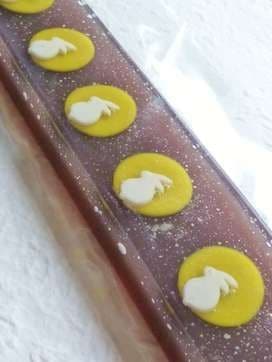
Each country has its own traditions for the Moon Festival. For example, even though Japan was influenced by China, the mooncakes used for this festival are different and do not look like the mooncakes we are familiar with. This is because the Japanese believed that a nobleman brought it here during the Nara and Heian periods. On the 15th day of the lunar month, the energy from the moon has a mystical quality that can grant wishes (sometimes the Japanese imagine the shadow on the surface of the moon as a shape similar to a rabbit pounding mochi). Most farmers would worship to express their gratitude after a bountiful harvest in the fall. Most farmers would pray to the moon for a good harvest and a bountiful crop in the fall and to pray for a good harvest in the following year.

Mooncake Mooncake

On that day, people celebrate by preparing the autumn food to worship the moon, which is the mooncake tsukimi dango (月見 団子tsukimi dango), a sweet made from rice flour and sugar, steamed and shaped into balls. Most people make 12 round mochi balls, representing the 12 months of the year, or 15 balls for the “fifteenth night.” Dango varies in appearance from area to area, and modern sweets have adapted yokan or nerigiri into the shape of rabbits to fit in with the festival.

Mooncake

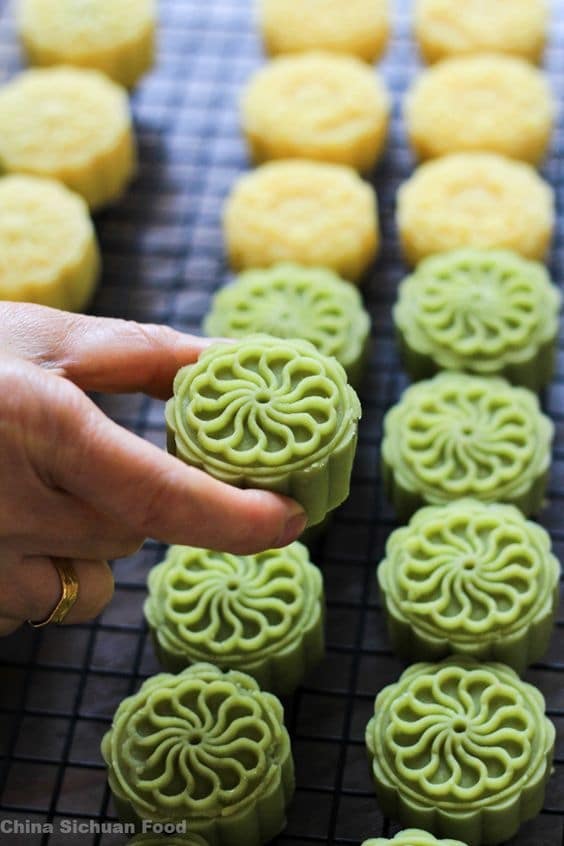
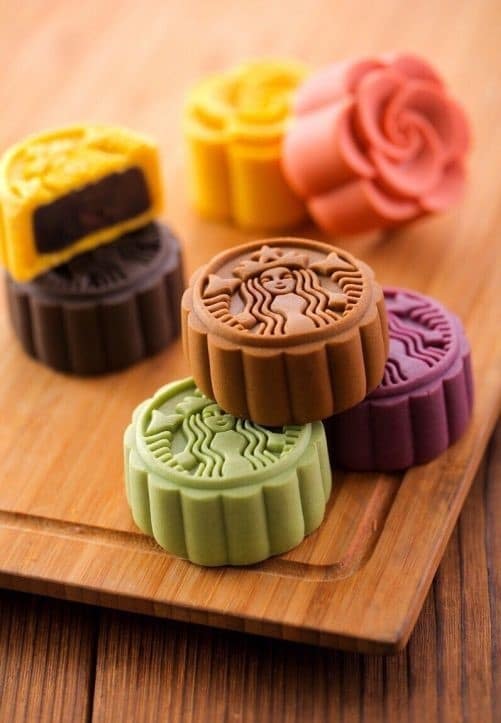
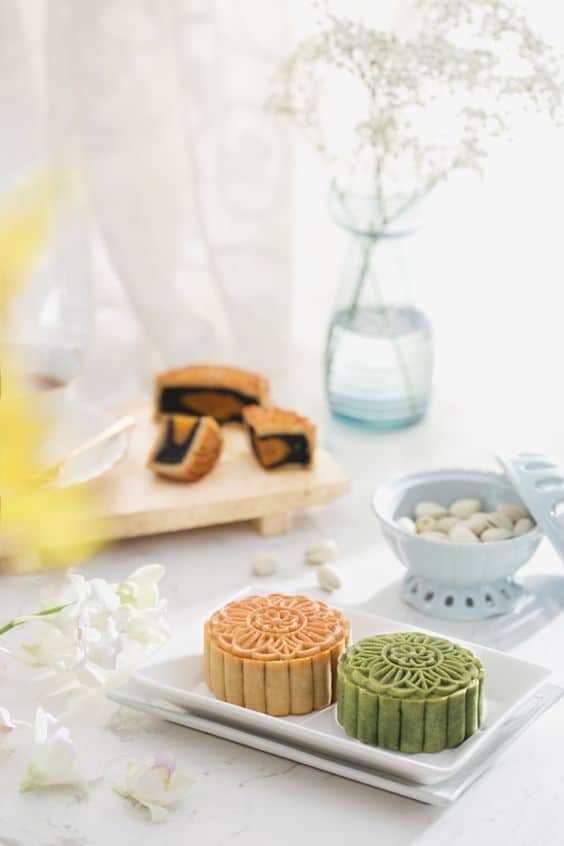
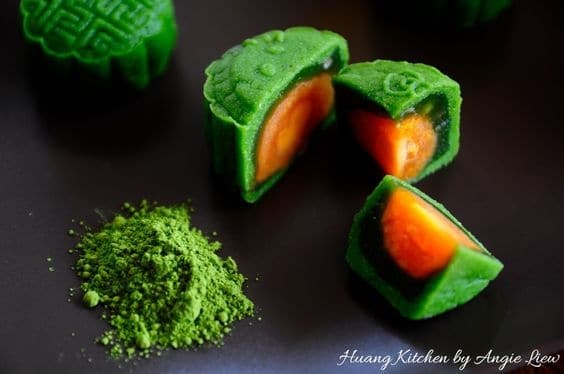
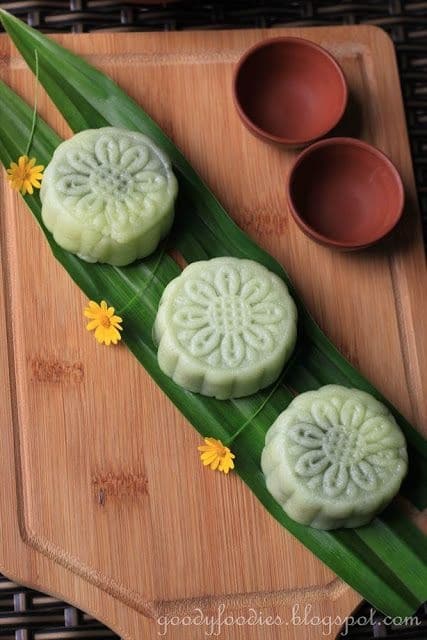
However, in Thailand, it adheres to the true Chinese belief that mooncakes have a variety of fillings. The most popular or traditional fillings are durian, lotus seed, etc. But now there are new fillings such as chocolate, green tea, custard, and many more. Of course, the various fillings of mooncakes help create excitement and novelty for the festival. In addition to the increasing number of fillings, many shops also add novelty to the mooncake dough. If it is an original mooncake, it must be “baked dough”. But now there is a non-baked mooncake dough or what many people call “snow lotus dough” to add color as well. Because this non-baked dough can be colored as desired. It is mostly used to wrap modern fillings or fillings that must be eaten cold.

Mooncake Mooncake Mooncake

The baked mooncake dough is not complicated. Just mix the ingredients together and knead until smooth. Then wrap the prepared mooncake filling, press it into the mold, knock it out, and bake it according to the recipe. The method of making it is different for each shop. Most baked mooncakes are stuffed with green tea mixed with lotus seeds or chestnuts to give it a Japanese feel and the mellow flavor of green tea that goes well with chestnuts. In addition to being used as a filling for mooncakes, it can also be mixed with the dough to make the dough green tea color.

Mooncake

Baked mooncake dough to give it a green tea color

1. Wheat flour 130 grams

2. Peanut oil 15 grams

3. Syrup 65 grams

4. 8 grams of matcha powder, depending on how dark or light you want the powder to be.

Procedure

  1. Preparation of the dough, matcha powder, mix peanut oil and syrup together, then pour the wheat flour on the table and make a circle in the middle of the dough, then pour the mixed peanut oil mixture into the middle and mix well, knead until smooth and uniform, cut into pieces of 12 grams each (adjustable size as desired)
  2. Preparation of filling: 50 grams of pastry filling: Wrap one salted egg, cut in half, with the salted egg placed in the center.
  3. Preparation of the pastry: Press the dough flat and then put the filling in and form into a ball. When finished forming, sprinkle a little flour on the pastry mold and then put the pastry in. Press the pastry firmly, then knock it out of the mold and place it on the baking sheet.
  4. Baking: Place the cake in the oven at 230 degrees Celsius and 200 degrees Celsius for 10 minutes. Remove and brush the top of the cake with egg before baking for another 10 minutes.

Next up is the mooncakes with no-bake dough. Since they don’t need to be baked again, the dough must be cooked before being wrapped around the mooncake fillings. There are actually many recipes for this type of dough. If you’ve ever eaten “Snow Skin” from many shops, you’ll know that each shop has a different smell and taste. Most mooncakes with no-bake dough are eaten cold. If they get too hard after being refrigerated, just take them out and let them cool down before eating. This type of mooncake can have matcha powder added to the dough while mixing to get a green tea-flavored dough with the desired color. Or, if you’re creative and want to try adding hojicha tea powder, that would be quite interesting.

Mooncake

No-bake mooncake batter

  1. 50 grams of glutinous rice flour
  2. Rice flour 50 grams
  3. 40 grams all-purpose flour
  4. 70 grams of granulated sugar
  5. Fresh milk 200 grams
  6. 40 grams of sweetened condensed milk
  7. Vegetable oil 40 grams
  8. 5 grams of matcha powder

Procedure

  1. Mix all ingredients together and steam over medium heat for about 20-30 minutes (time depends on the size of the container).
  2. When the mixture is steamed, remove it and let it cool slightly before kneading the dough until smooth.
  3. As for the filling, it can be put in many different ways. After wrapping the dough around the filling, press it into a ball, then press it into a mooncake mold as desired and it is done.

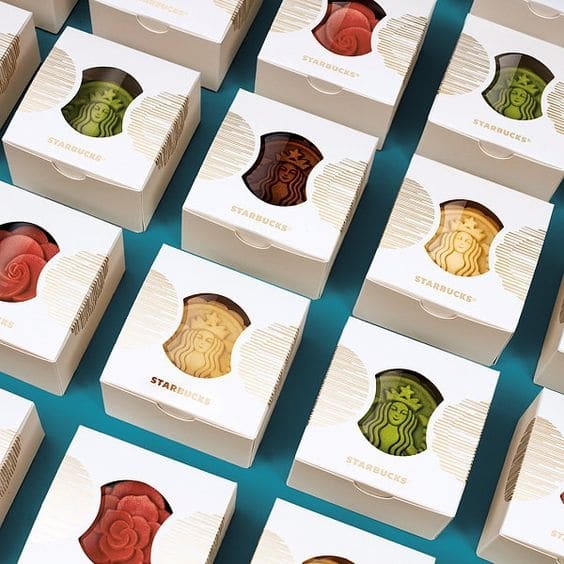
New menu ideas that many dessert shops may not have thought of. During special festivals, there are new desserts to attract both old and new customers. Especially if you get good, beautiful packages, whether single pieces or bought as a set, it will increase the value of the mooncakes and definitely impress the recipient.

Mooncake

Source

https://www.huangkitchen.com/matcha-green-tea-snowskin-mooncake/

https://songdaygivral.hatenablog.com/entry/cac_loai_banh_trung_thu_givral

https://mobile.twitter.com/mo_hotels/status/500360064214241280

Pumpkin Snowskin Mooncakes 南瓜冰皮月饼

https://goodyfoodies.blogspot.com/2013/09/recipe-homemade-snowskin-mooncakes-with.html

Article from: Fuwafuwa

Design a tea shop logo that customers can easily remember.

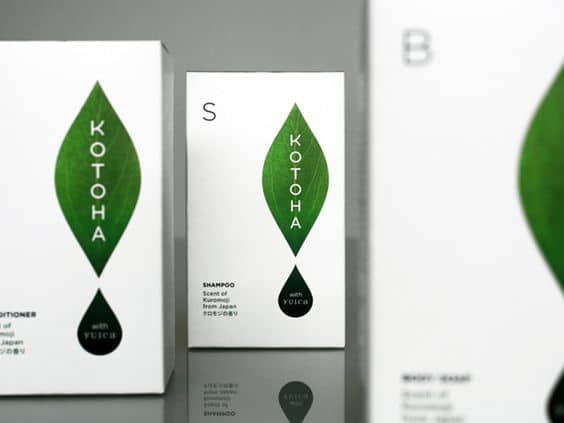
Logo is an important part that is like the face of the shop. It affects the brand’s recognition, especially in this era where there are many new dessert and drink shops. The logo on the food packaging, the easier it is to remember and unique, the easier it will be for customers to tell others. What are the principles for designing a good logo that is easy to remember and unique to other shops? Let’s take a look.

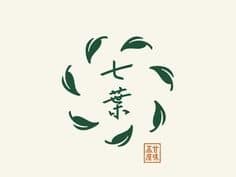
Start with mustHave the shop’s identity because the shop’s logo should communicate the identity of the shop, the style of food sold, and immediately know what kind of restaurant it is. It should have characteristics related to the shop’s name. If it doesn’t overlap with other shops, it’s even better because it prevents confusion among customers. For example, a shop that sells authentic green tea from Japan might use Japanese to communicate the origin of the shop’s star ingredient or use a design that’s like a Japanese intang (rubber stamp) to bring out the unique Japanese design to communicate the origin of the authentic ingredients.

logo logo logo

A good logo should convey meaning. Because a good logo must be able to convey more meaning than just stating the name of the shop, such as using images of tea leaves, tea cups, or tea brewing equipment to indicate the shop’s expertise in the taste of tea. The images in the logo should have been thought about to have meaning, be easy to understand and remember, in order to communicate directly to customers. In addition to the images used to convey meaning, the color of the logo is also an important part that helps to easily think of the products in the brand. For example, using green in the logo makes it easier to think of green tea, conveying naturalness, not processed with synthetic substances.

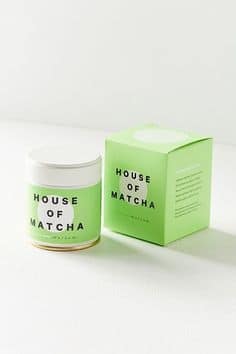
For the logo to convey the mood of the shop , you must first know what kind of mood you want the image to have and how it will be consistent with your shop. For example, a tea shop whose target group is women does not focus on strong tea but focuses on adjusting the recipe to be diverse, making it easier for women to consume and having other snacks made from tea. You will need to use a logo with a pink tone to attract the attention of women who are gentle. Or adjust it to a simple, calm logo but focus on sweet-colored packaging to reach the target group of women.

logo logo

Do not use too many colors. The number of colors used in the logo should be 1-3 colors, which is appropriate and does not cause confusion. In addition, the mood of the colors used is also important, such as green, which conveys nature, health, freshness, and growth. In addition, it also creates a refreshing and relaxing mood.

logo logo logo

Don’t forget to check your competitors. Visiting other brands’ websites or social media helps us practice analytical thinking to see if the logo looks good, communicates meaning, and is unique enough to make improvements to the store. It’s an analysis of the brand’s strengths and weaknesses. And don’t forget to always follow design trends, such as using the color of the year, ultraviolet purple, or using gradients and typography to make your logo stand out.

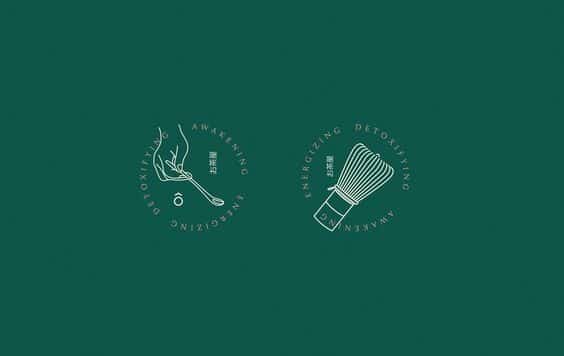
But you will see that there are many types of logos, whether they are simple letters, images, graphics, or mascots. Each type conveys a different meaning and reaches a different group of customers. For example, for brands with cartoon images, this type of logo will help attract children and families. It is also a great way to stimulate interaction with the target group. Or for the use of just certain symbols, such as tea leaves, tea scoops, or chasei, it is enough to convey the meaning that this shop focuses on selling tea.

logo

If you have already created something but are still not sure whether you should use it, test it on your website or create a profile. Or maybe create a poll to ask people to provide feedback, such as asking if it looks good enough, if there are any changes you want to make, if it matches the website, in case you want to adjust some points to make it easier for customers to remember before actually producing the media.

Have you gotten any ideas yet? For those who are going to try to open their own business, here we start by designing a logo that we like and then extend it to put on the shop’s business card, product package in the same style to make it memorable to customers and make them want to tell others more easily.

logo logo logo

Source

https://www.freepik.com

https://gdc.jp/archives/category/works/food

https://www.packagingoftheworld.com/2012/07/kotoha-with-yuica.html

https://www.behance.net

Article from: Fuwafuwa

Getting to know the tea leaves for roasting Hojicha tea

As we all know, Hojicha is green tea roasted at a high temperature until it has a fragrant aroma. It leaves a lingering taste and aroma in the mouth after drinking, which is why this type of tea is popularly drunk after meals or between meals. This roasting method reduces the amount of catechins, which cause astringency, and caffeine. This type of tea is gentle on the body and can be drunk by children, pregnant women, and adults in general. It can also be drunk before bed because it has a very low caffeine content. There are three types of tea leaves commonly roasted to make Hojicha: Sencha (煎茶), Bancha (番茶), and Kukicha or tea made from tea stems (茎茶). Each type of roasting has its own unique characteristics. If you want to try roasting green tea to make Hojicha, let’s get to know these three types of tea and how they differ.

Hojicha tea  Hojicha tea

Let’s start with Sencha (煎茶), a green tea that Japanese people drink every day. It doesn’t require shade cultivation and can be grown year-round. It’s the most produced tea in Japan because the leaves can be harvested four times a year, starting in May. The first three young leaves are picked and cut with scissors. Sencha is divided into three grades: high grade, medium grade, and normal grade. After picking, the leaves are blown dry and spun into spirals and rolled within the shortest possible time to stop the enzyme oxidation reaction, which will allow the color and aroma of the tea to be preserved. The taste is astringent, but since it is already a fragrant tea, the aroma becomes even more fragrant when roasted.

Sencha tea

However, if the Sencha leaves are roasted for a longer period of time, approximately 2-3 times, resulting in a stronger color and flavor than Sencha, it is called Fukamushicha (深蒸し茶).

Sencha tea Sencha tea

Bancha (番茶) is of a lower quality than Sencha because it is harvested in the third or fourth period of the year. It is the tea leaves that remain on the top of the tree after the Sencha leaves have been picked. Bancha leaves are larger than those used to produce Sencha. After that, they are lightly massaged. The taste is mild and used for general drinking. It is the tea leaves that remain from the top of the tree. It has a mild taste but a distinct aroma and is slightly astringent. Most of the leaves of this type of tea are hard and not very complete. They are light brown to yellow in color and have a more bitter taste than Gyokuro and Sencha.
Bangcha (番茶)

When bancha is heated to the right temperature and then kneaded dry, it yields fragrant, reddish-brown tea leaves known as “hojicha.” Bancha tea is rich in tannins but low in caffeine. Another distinctive characteristic of bancha is that it leaves the mouth feeling refreshed after drinking. The drinking technique involves quickly brewing it with hot water, which gives it a rather bitter and astringent taste. It’s ideal for rinsing the mouth after a meal, providing a refreshing feeling. Furthermore, it’s high in fluoride, which reduces bacteria in the mouth and helps alleviate bad breath.
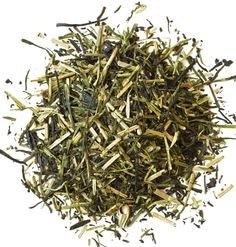
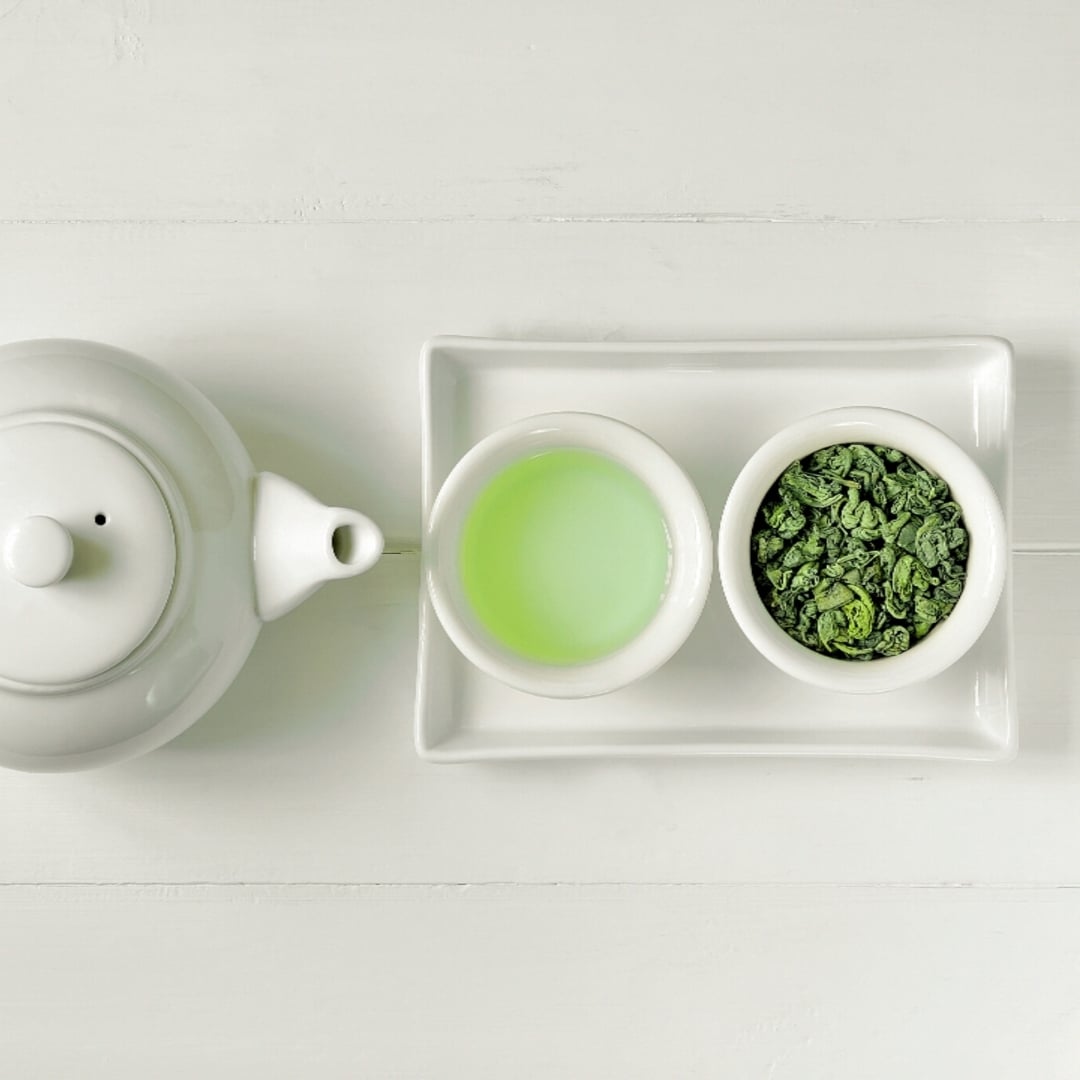
Finally, we come to the final type of tea , Kukicha, or tea made from tea stems (茎茶), also known as Boucha (棒茶). It is a by-product of the stems and stalks of Sencha or Matcha tea. It contains very little tea leaves and has a sweeter, smoother flavor than other types of tea due to its high L-theanine content, which is found in the stems or roots of the tea plant. Kukicha can be brewed repeatedly and can also be mixed with fruit juices for children. Brew it in water at a temperature of 70-80 degrees Celsius for the best flavor. This type of tea has a very fragrant aroma compared to other types of tea. When smoked, Hojicha produces a unique aroma.
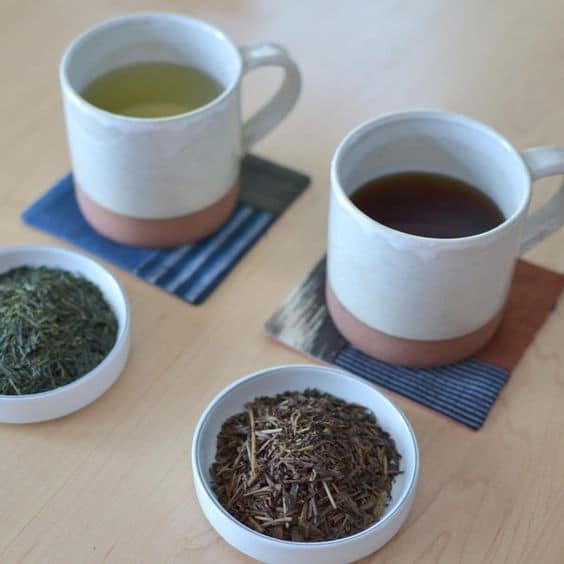
Boucha (棒茶)

By simply changing the production and harvesting methods, tea can be transformed into various forms of tea, allowing tea lovers to savor its different aromas and flavors.

Source

https://en.wikipedia.org/wiki/H%C5%8Djicha

https://subsc.jp/notes/534

http://www.amazon.com/gp/product/

Article from: Fuwafuwa

Is it true that drinking hot green tea is better than cold green tea?

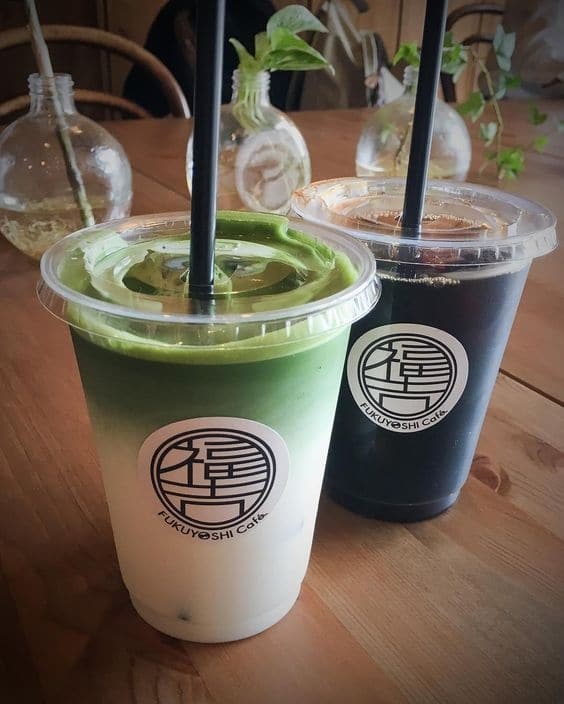
Green tea is a nutritious beverage that’s beneficial to the body. It can be enjoyed either hot or cold. However, drinking green tea may not provide any benefits to the body if consumed incorrectly. As everyone knows for sure, tea, whether hot or cold , should not be flavored with sugar or any type of milk, including fresh milk, condensed milk, or powdered milk. This is because the protein in milk will bind to the important substances in the tea and destroy the effectiveness of the active ingredients that are beneficial to the body. For health benefits, it’s best to drink plain, unflavored tea.

Hot Matcha  Cold Matcha

However, even when drinking green tea straight, some people believe that drinking iced green tea is not beneficial and can actually harm the body. This is because iced green tea causes the formation of toxins that are a cause of cancer. Furthermore, iced green tea causes fat in the body to build up along blood vessel walls and block the intestinal walls, leading to serious diseases such as coronary artery disease, colon cancer, and atherosclerosis. However , there is no clear research evidence to confirm whether iced green tea actually has such harmful effects.

Some people say that if you drink it cold with ice mixed in, the cold from the ice will dilute the effectiveness of the green tea along with the ice. Instead of getting the full benefit, you will receive less benefit. But for anyone who wants to drink green tea cold, you can do so. Just drink the tea you brewed yourself and refrigerate it. Just don’t add ice to mix it in. And to keep the antioxidants from the green tea still available.

On the other hand, there is a controversial hypothesis that drinking hot green tea can help prevent cancer because the tea leaves contain antioxidants. However, no definitive research has been conducted. Some believe that drinking hot green tea increases the risk of esophageal cancer. Although no definitive conclusions have been reached, green tea lovers should drink tea in moderation and properly to maximize its nutritional value.

For those who enjoy drinking hot tea, the important beneficial substances, catechins, are almost completely destroyed by heat, leaving only the aroma and flavor. If you want to reap the health benefits but still enjoy hot tea, you should drink strong tea, just like the Teochew Chinese who like to brew strong Chinese tea in tiny teacups, similar to drinking expresso coffee. The concentration of the tea leaves will result in a concentrated amount of catechins. And although some of these substances will break down when exposed to heat from hot water, some will still remain that may provide health benefits.

Hot Matcha

There is also research that shows that drinking hot tea during hot weather helps you feel cooler than iced tea because you sweat more, which helps dissipate heat. If you drink iced green tea during hot weather, the iced tea you drink will lose its coolness as it passes through your organs if you drink too much.

Although there’s no clear research to support the health benefits of drinking iced green tea or hot green tea, it’s generally accepted that we’ll receive the most antioxidants when drinking hot tea, especially tea brewed at 70-78 degrees Celsius for 2-4 minutes. Approximately 20% of antioxidants are lost if exposed to heat for extended periods. Consuming too much daily can lead to constipation, and drinking it after meals prevents the caffeine from causing stomach acid.

Source

shorturl.at/jtwDM

https://www.dotfit.com/content-35820.html

DIY Beauty and Natural Skincare Recipes, Essential Oils, Non-Toxic Lifestyle & More

Article from: Fuwafuwa

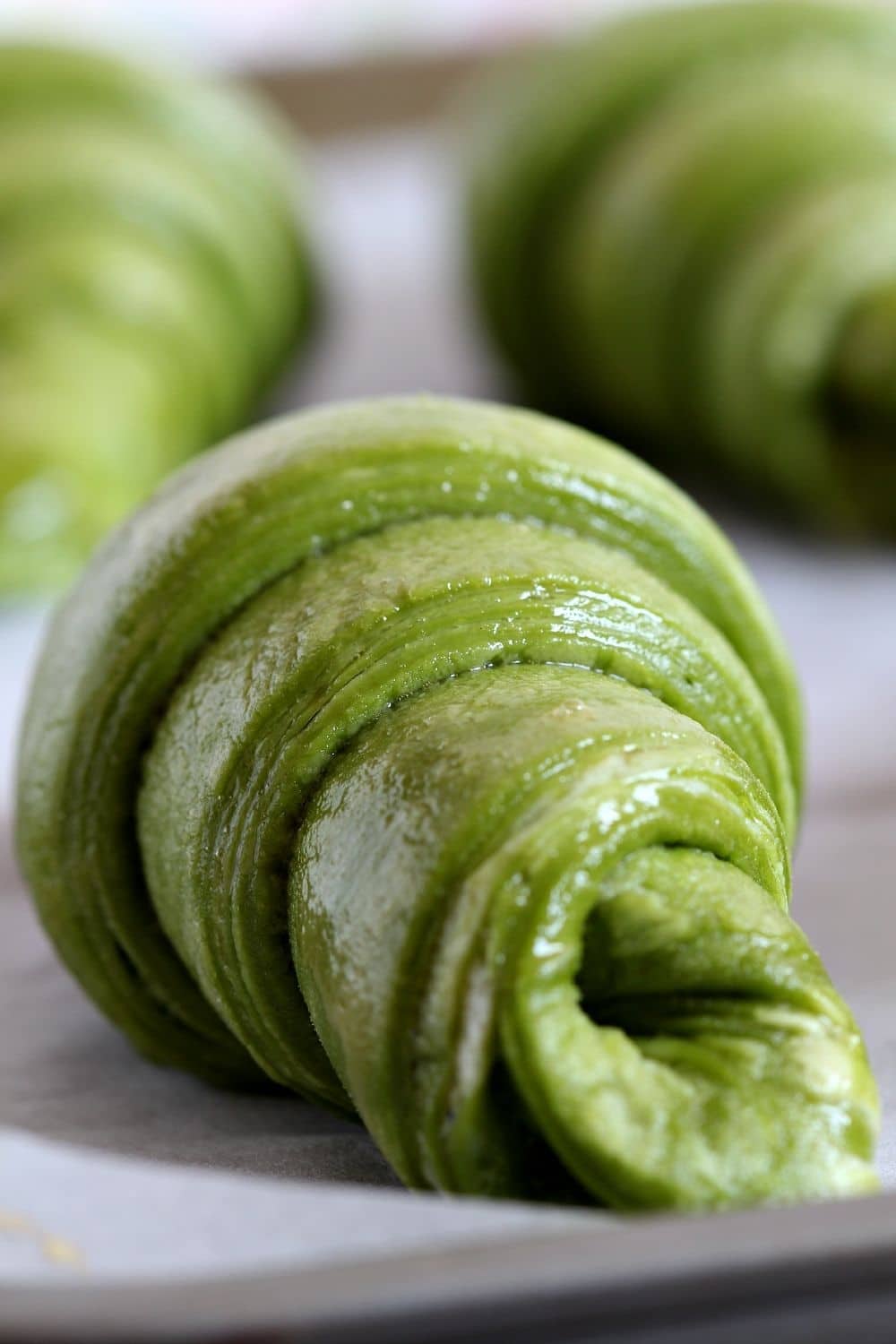
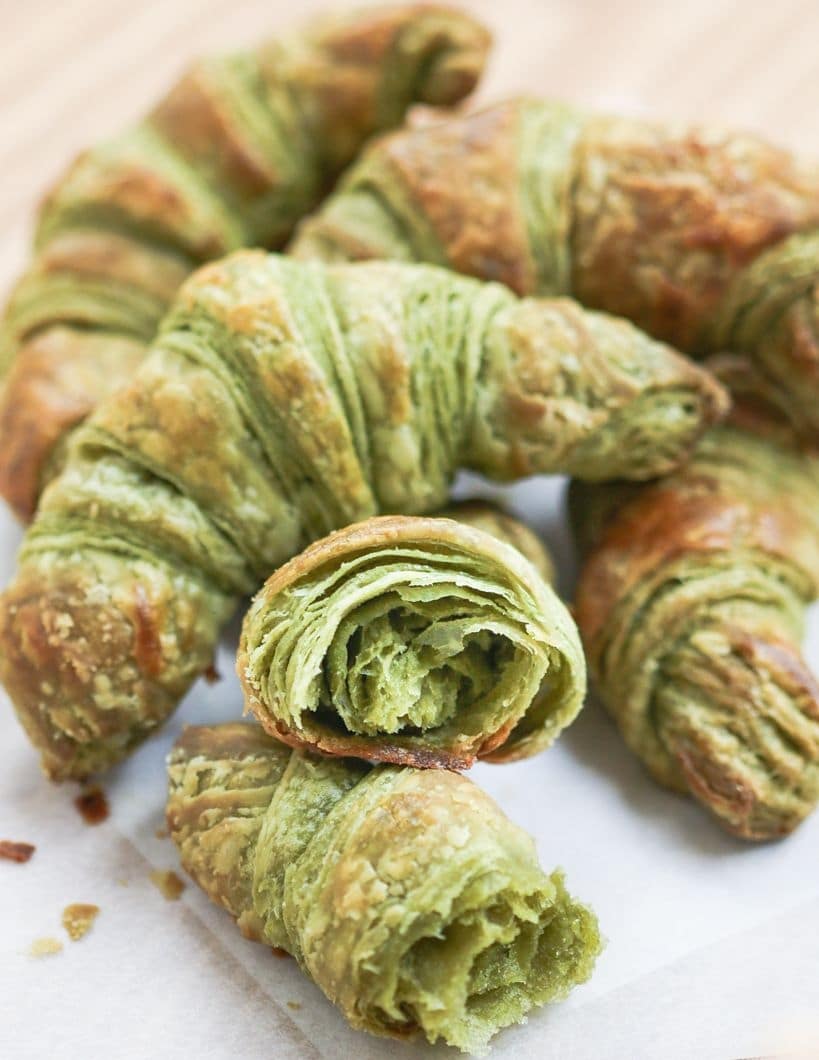
Popular menu: Matcha Croissants

Croissant bakery is a favorite among many. There are many shops that make croissants for sale in popular flavors such as almond croissants, butter croissants, chocolate croissants. If you are especially fond of green tea, you may feel that green tea croissants are hard to find. This time, we are pleasing shops that already have croissants on the menu but want to develop them into new flavors like green tea. What techniques are there to make the croissants at the shop different from other shops?

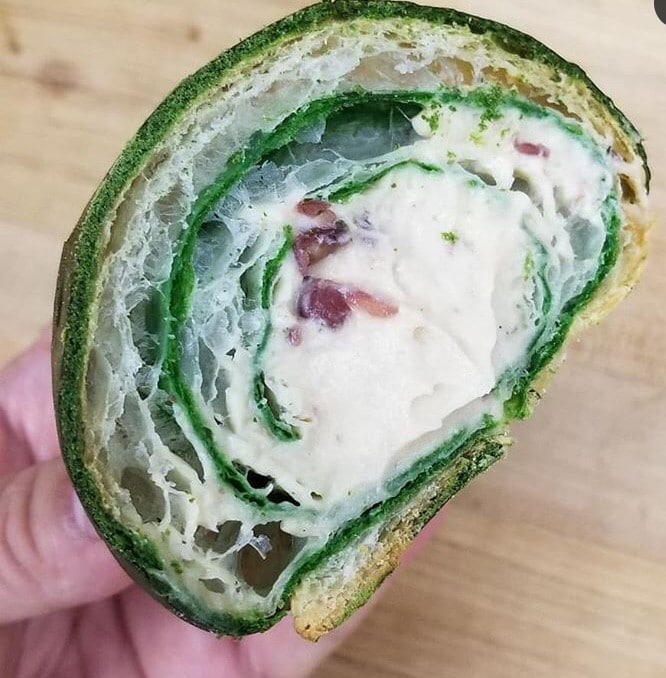
Let’s delight matcha croissant lovers with this simple idea: add matcha powder to the croissant dough. When baked, the dough will be a beautiful green color, different from regular butter croissants.

Matcha Croissants Matcha Croissants

Another easy idea that’s colorful and delicious is squeezing soft, smooth green tea fresh cream onto the croissants. There are many ways to do this, and there are many different nozzles that make croissants look different from shop to shop. Using the Mont Blanc technique to squeeze fresh cream onto the croissants is another idea that makes the croissants look more delicious. The cream you squeeze here can be mixed with white beans, in the style of Japanese desserts, to help cut the richness.

Matcha Croissants

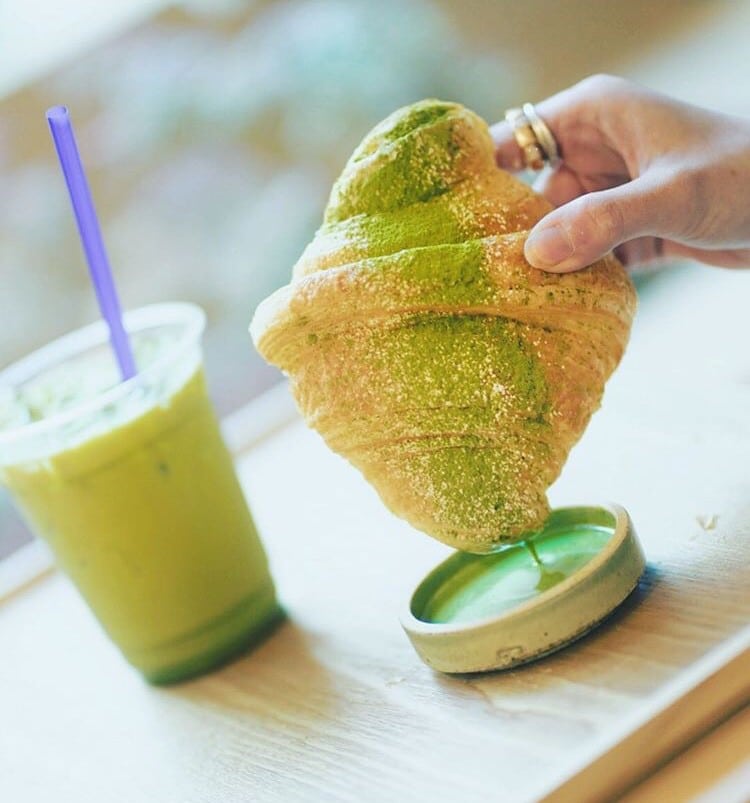
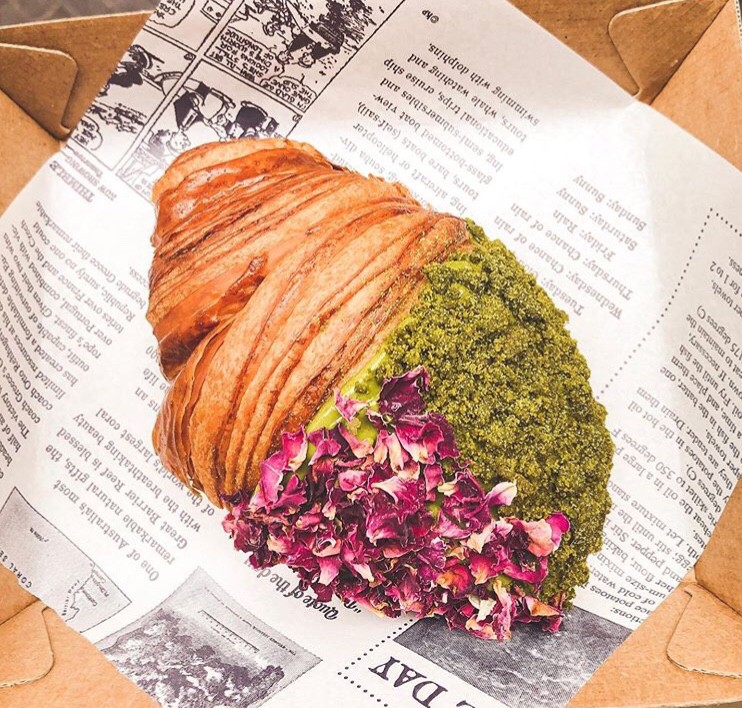
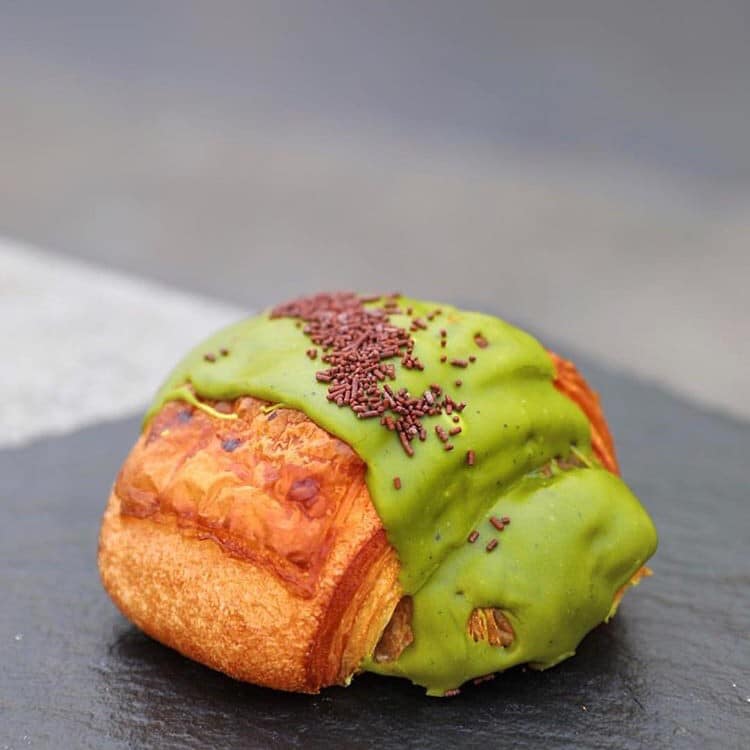
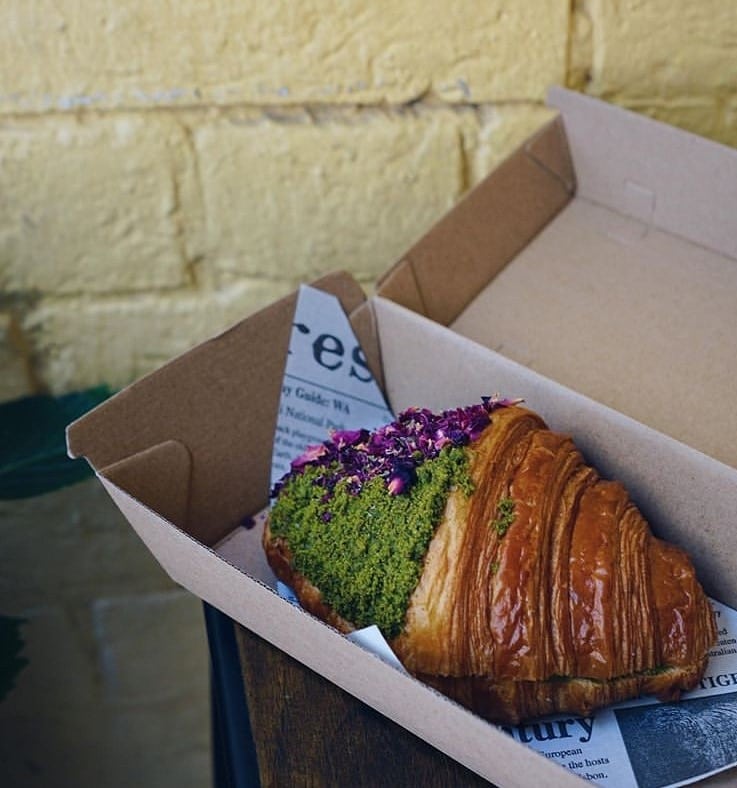
Besides fresh cream, another common method is the green tea chocolate-covered croissant. This can be coated in many ways, either by coating the whole piece, or by coating just one part and then topping with chocolate, crumble powder, or almonds as desired. Or, for a richer flavor to please green tea lovers, add a green tea dipping sauce. This makes the dessert even more delicious and encourages photos to be shared on social media.

Matcha Croissants Matcha Croissants

Matcha Croissants Matcha Croissants Matcha Croissants

The most popular filling for croissants with green tea is red beans and fresh cream. This dessert is a mix of Japanese and Western.

Green tea croissant

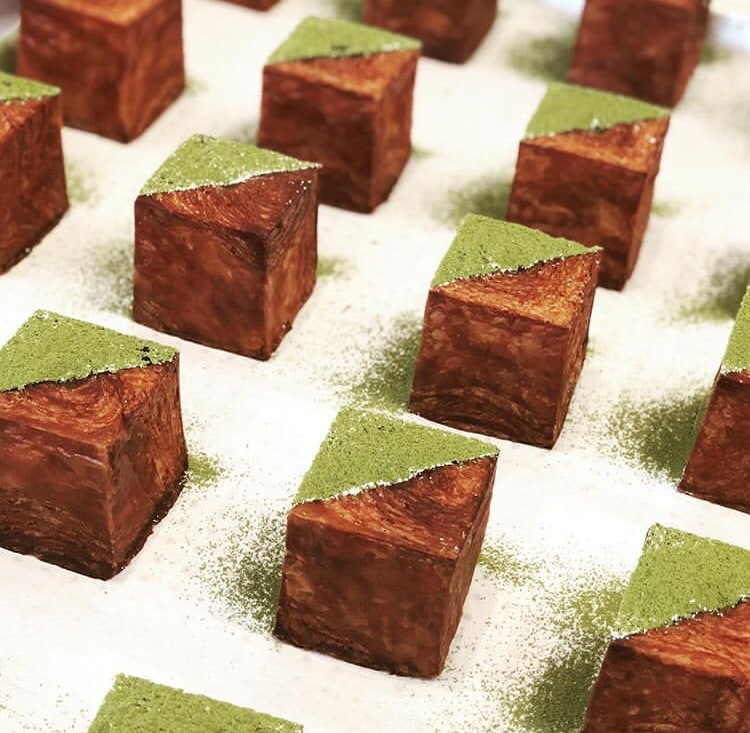
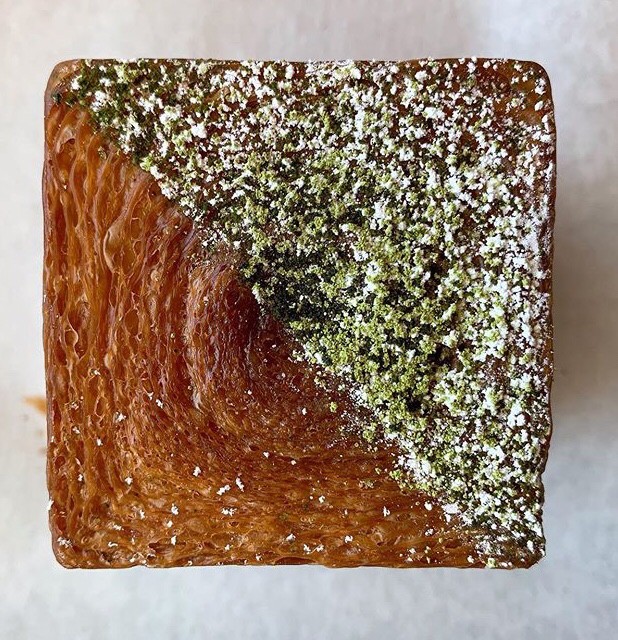
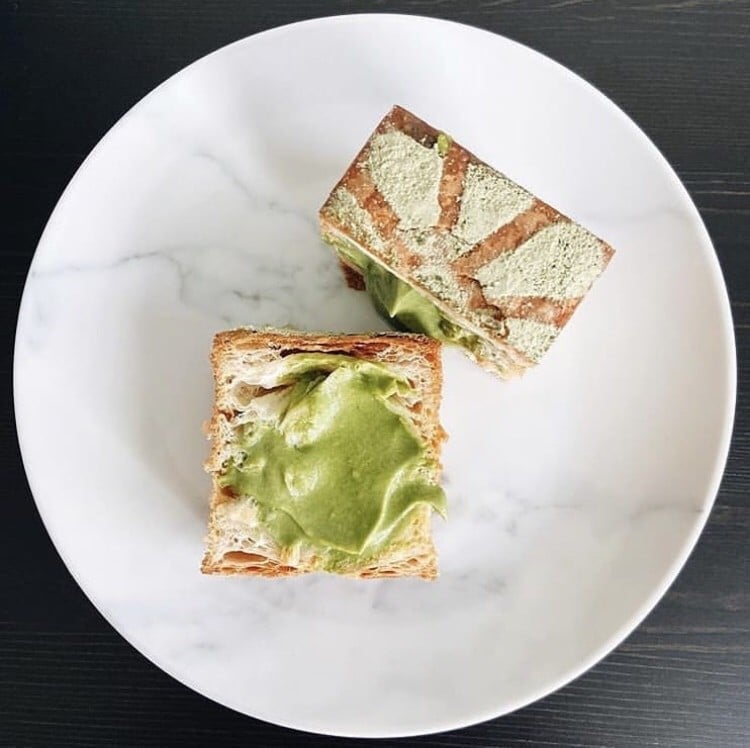
For the small pieces of croissant left over from cutting the croissant to shape, we recommend finding a CUBE mold and inserting the remaining scraps into the mold. This will definitely give you a new look for croissants that are different from other shops. Or if you want a beautiful CUBE croissant pattern, instead of shaping the croissant normally, you can roll the dough and let it rise in the mold. When baked, it will have a beautiful spiral pattern. You can also fill it with green tea fresh cream and decorate it with icing or pistachios, making it even more delicious.

Cube Cube Cube

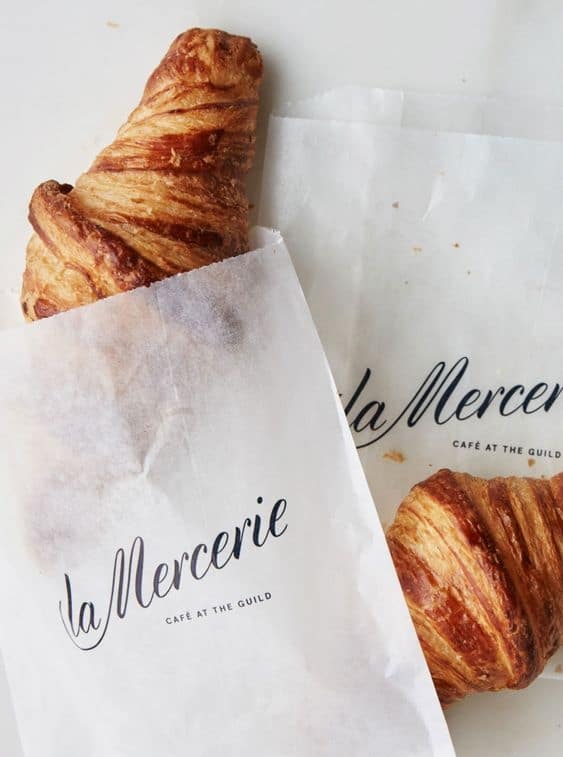
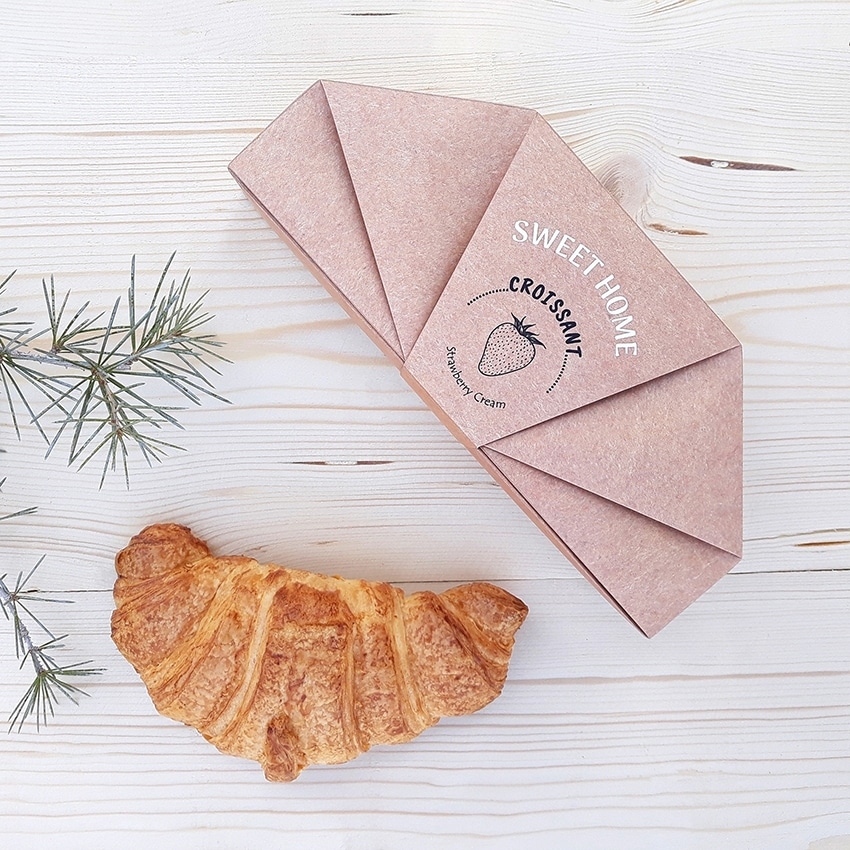
Next to the pastries, another aspect that is equally important to the shop’s appearance is the packaging. Most shops tend to use regular wrapping paper or put them all together in a box. If you want to make your green tea croissants stand out, you can create different packaging. In addition to helping create a unique identity for the shop, it also ensures that each croissant is stored in a separate box, keeping it from getting damaged.

Creating new menus from old menus in the style of green tea lovers will help create more value for the desserts in the shop and make them more appetizing.

Source

https://www.packagingoftheworld.com/2019/10/sweet-home.html?m=1

https://www.pinterest.com/pin/33706697196821794/

IG: @koidb

IG: @tini.artisanbakehouse

Article from: Fuwafuwa

Matcha Breakfast Dish Matcha Yogurt Menu

Many people may think that sipping warm tea in the morning is perfect, but in fact, morning is when the stomach is empty. If we drink green tea, it will stimulate stomach acid, which may cause stomach ulcers. In addition, the caffeine in green tea will stimulate the body to excrete water, which may make us feel dehydrated, slow-witted, and not refreshed. It is best to eat breakfast first and then follow with a cup of green tea. Or if you really want to drink green tea, try mixing it in soup, yogurt, or other menus that are suitable for breakfast. This will make a delicious breakfast in the style of matcha lovers. It will also add a breakfast menu to your cafe.

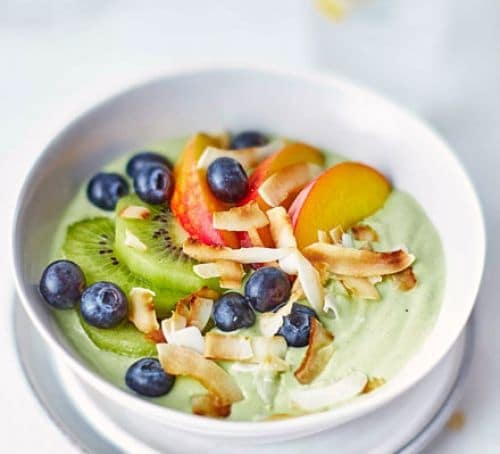
Let’s start with a light, easy, and healthy menu, Matcha Yogurt. Many people forget that green tea can be eaten with yogurt.

Matcha Yogurt

Simply mix 300g of plain yogurt with 1 tbsp of matcha powder and 2 tsp of maple syrup. Mix well and top with kiwi, peach, blueberry, apple or other fruits of your choice.

But if you don’t like yogurt, we recommend a Matcha Breakfast Bowl that is rich in nutrients. Mix 2 tablespoons of chia seeds with 1 cup of almond milk, macadamia milk, or cow’s milk, whichever you prefer, and 2 teaspoons of matcha powder. Blend together. You can add a little honey to increase the sweetness as you like. Or if you want to add texture, you can blend avocado together. After blending, you can store it in the refrigerator for 1 week. Decorate with fresh strawberries and sliced almonds as you like.

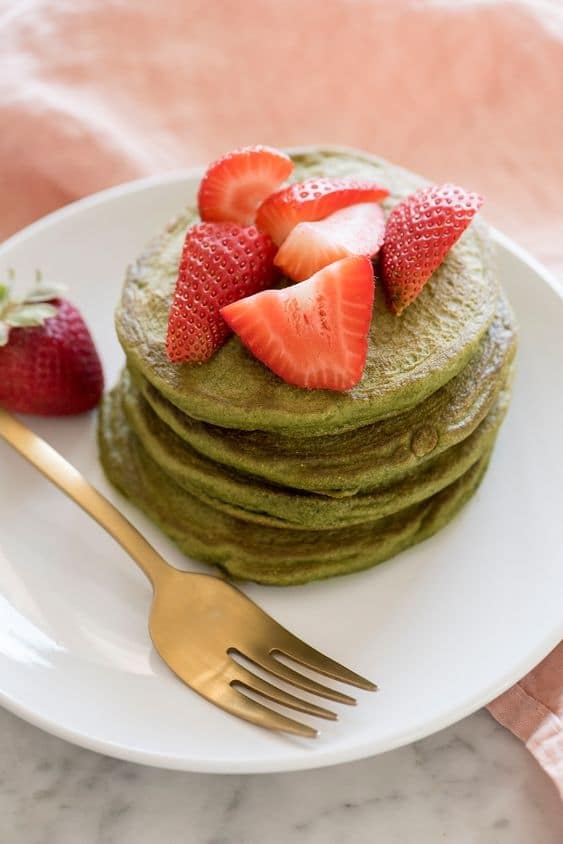
Another light breakfast menu in European style is Matcha Pancake with gluten-free flour recipe, suitable for those who are allergic to wheat flour. It takes only 12 minutes to make, suitable for those who are in a rush in the morning. Start by mixing 2 eggs with ⅔ cup almond milk + ¼ cup melted coconut oil with cane sugar and vanilla extract. Mix well. Sift 1 cup gluten-free flour + 2 tablespoons matcha powder + 1 tablespoon baking powder and a pinch of salt. Mix well. Then, heat a pan over medium heat, add coconut oil. When the pan is hot, add the prepared ingredients in the desired size. When it starts to cook, flip it over until it is golden brown and cooked evenly on both sides. Serve with honey and fresh fruit as desired. An easy and filling breakfast ^^

Matcha Pancake

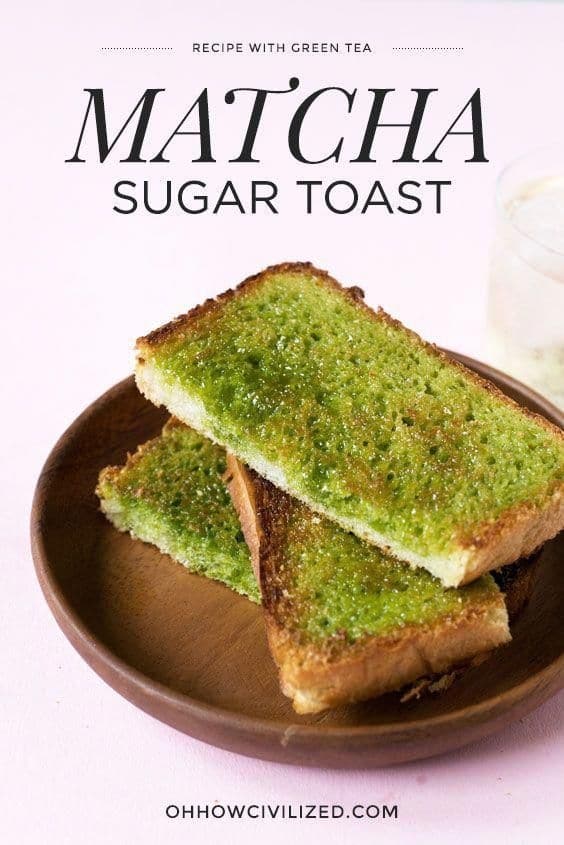
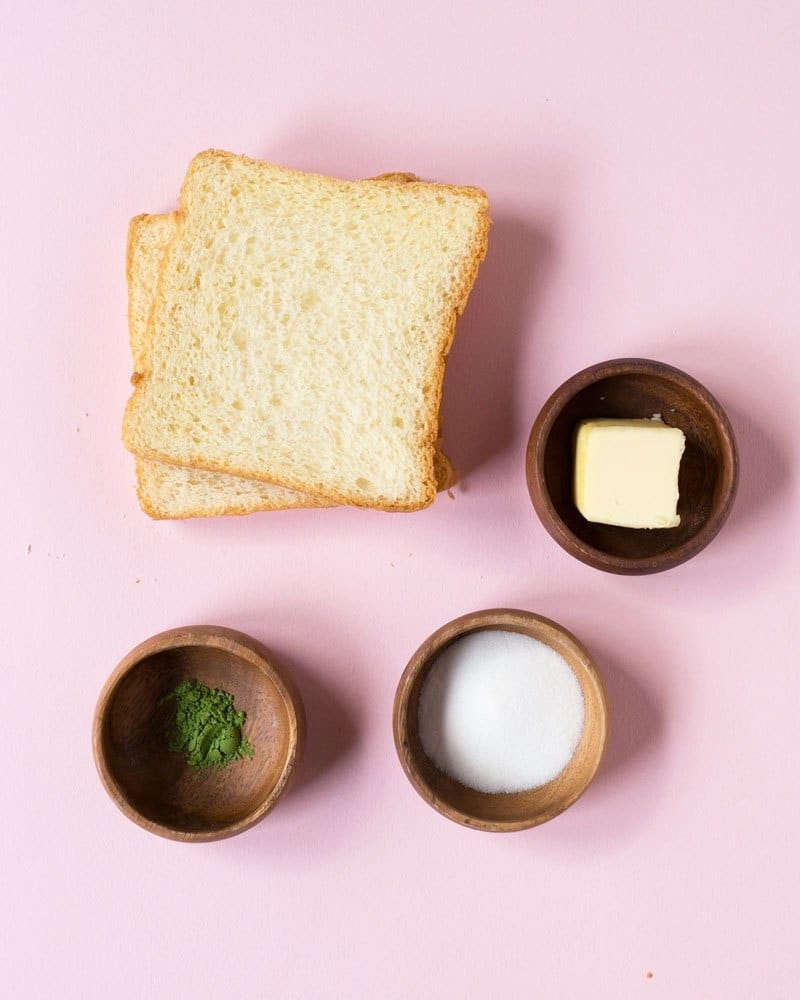
Add sweetness to your breakfast easily with another menu for those who love sweets, Matcha Sugar Toast that uses only 3 ingredients and can be finished easily in 5 minutes by taking ¼ teaspoon of green tea powder and mixing it with 2 tablespoons of salted butter that is room temperature and 1 tablespoon of granulated sugar. Mix well and spread it on bread, then bake the bread in the oven until crispy and the color is beautiful according to your preference. Recommended temperature 175 degrees for 2-5 minutes.

Matcha Sugar Toast  Matcha Sugar Toast

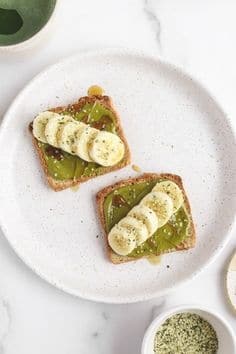
Add another level of deliciousness with Matcha cashew Butter on Toast , a vegan menu that is easy to make, filling and delicious for breakfast. It can also be eaten with pancakes, waffles or scones for another delicious taste. Just mix 2 cups of chopped toasted cashew nuts with 3 teaspoons of matcha powder, 1 teaspoon vanilla extract, a pinch of salt, 2 teaspoons of maple syrup and 3 teaspoons of coconut oil. Blend in a food processor until smooth and it’s done. Serve with bananas, sprinkle with chopped cashew nuts and a little cinnamon powder for even more deliciousness.

Matcha Cashew Butter on Toast

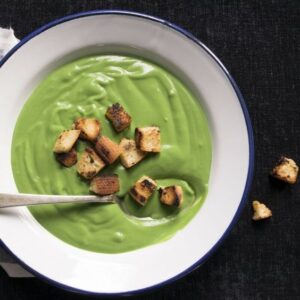
Finally , Matcha Soup Tofu. Start by melting ½ cup of unsalted butter over medium heat. Add finely chopped shiitake mushrooms and green onions. Add 2 tablespoons of matcha powder. Add about 8 cups of chicken stock, 1 cup of cream, a pinch of salt and pepper, and 1 cup of spinach. Simmer until combined. Stir for about 10 minutes. Serve with grilled tofu in a pan until cooked.

Matcha Soup Tofu

If anyone still doesn’t know how to start making breakfast at home, you can try following this recipe. You will get a delicious breakfast menu like eating at a restaurant.

Source

https://veggiekinsblog.com/2020/01/10/matcha-cashew-butter/

https://www.bbcgoodfood.com/recipes/matcha-breakfast-bowl

https://www.menshealth.com/nutrition/g22552078/best-keto-breakfast-ideas/

https://teasquirrel.com/home/2019/9/25/the-only-matcha-pancakes-recipe-you-will-ever-need?format=amp

Article from: Fuwafuwa

Extend the shelf life of your ingredients by making Matcha Chocolate.

Have you ever wondered if chocolate has an expiration date? Why does it last longer than other snacks?

Chocolate is a long-lasting dessert. Cocoa butter is used to keep this brown dessert for years, simply by keeping it refrigerated. Cocoa butter is also used in skin and face lotions, ensuring it can last for years. Cocoa butter isn’t the only good thing, it also has the unique property of being able to solidify at the right temperature and melt at body temperature, around 34 degrees Celsius or higher. This is why chocolate melts in your mouth.

Due to the long shelf life, sometimes white spots may appear on the surface of the chocolate. However, this is just melted fat that has adhered to the surface of the chocolate, and is not mold.

Due to its special characteristics, chocolate can be stored for a long time, making it an ideal snack for transforming ingredients that may have been overstocked in stores and unable to be sold quickly enough. It also adds value to existing ingredients, turning them into new, more appealing snacks, using green tea chocolate.

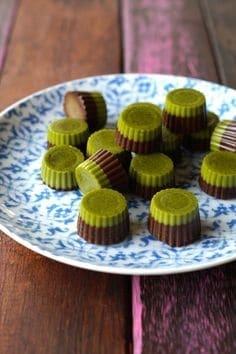
Two-tone Matcha Chocolate

Two-tone Matcha Chocolate – A simple two-tone matcha chocolate recipe in bite-sized pieces.

  1. Melt 100g cocoa butter and gradually add 1 tablespoon of honey while the chocolate is still warm.
  2. Remove from heat and divide into two portions. Add 1 teaspoon of matcha powder, a pinch of salt, and vanilla extract to the first portion. Mix until well combined.
  3. Pour into a mold of the desired size and shape and freeze for 10 minutes.
  4. For the remaining chocolate, add 2 tablespoons of cocoa powder, mix well, then pour into the mold in step 3 that has set. Then put it in the freezer again. It’s done.

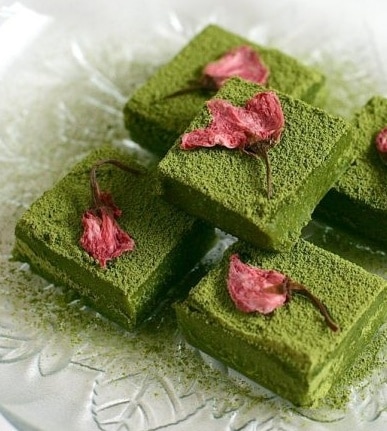
Matcha Nama Chocolate Matcha Nama Chocolate 1

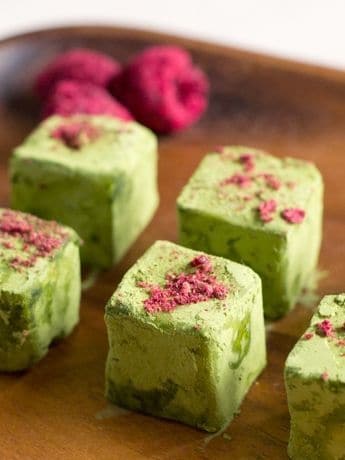
Another popular chocolate menu among Japanese people is Matcha Nama Chocolate. Melt 200 grams of white chocolate until almost completely melted. Add 12 grams of matcha powder ( and 2 grams of sakura powder to get a little sakura flavor and scent) + 20 grams of unsalted butter + 70 grams of whipping cream. Mix well and pour into a mold lined with baking paper. Refrigerate for 4-5 hours until it starts to set. Remove and cut into bite-sized pieces. Sprinkle a little green tea powder on top and decorate with small pieces of dried raspberries or stick sakura flowers on top to match the festival.

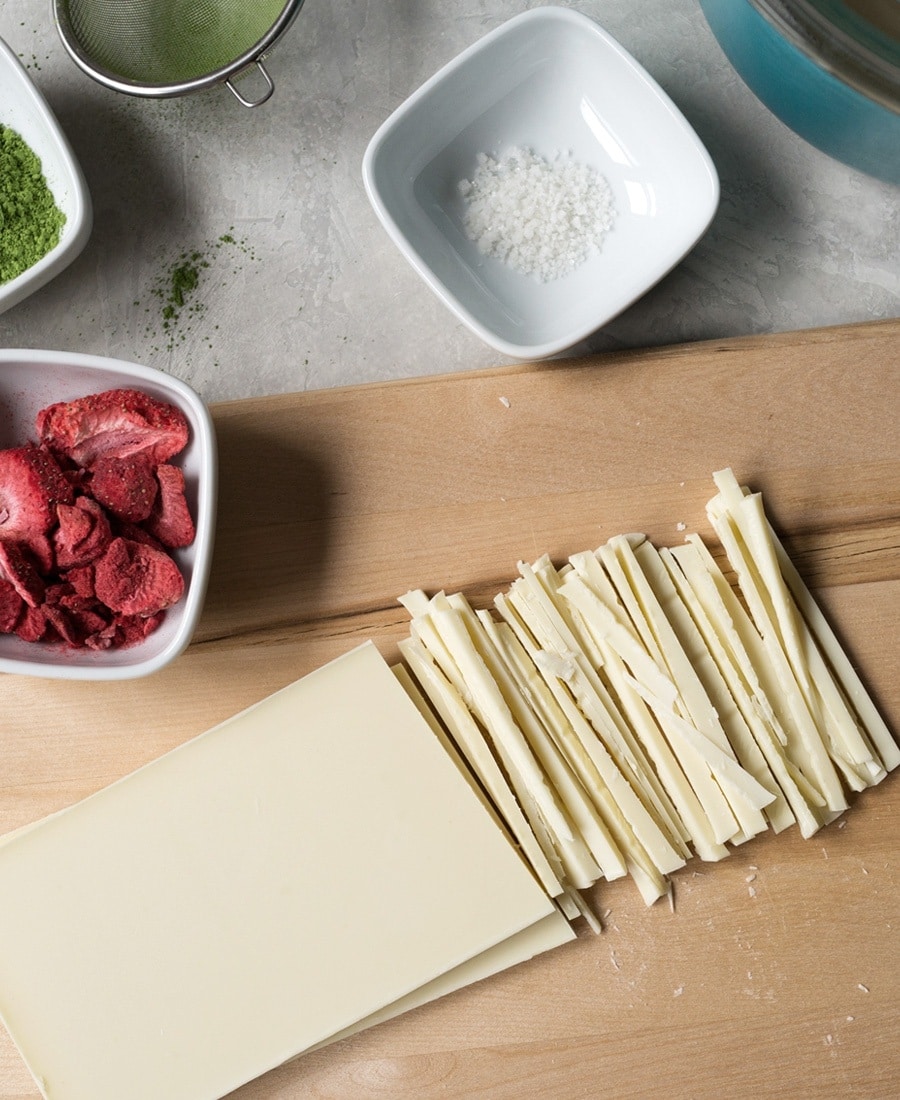
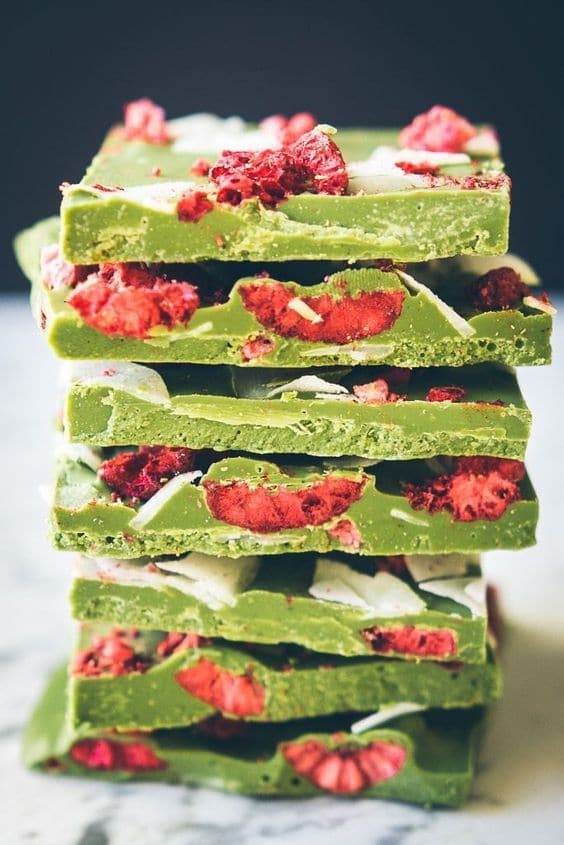
Strawberry Matcha Chocolate Bark Brightly colored green tea chocolate with dried strawberries and white chocolate. How to make:

  1. Melt 280g of white chocolate and divide it into a small bowl. Take ⅓ of the mixture and add the remaining 1 teaspoon of matcha powder. Mix well. Try to stir quickly while the chocolate is still warm to help the matcha powder dissolve more easily.
  2. Pour the chocolate onto the baking paper and use a chopstick or scraper to spread it evenly over the entire sheet.
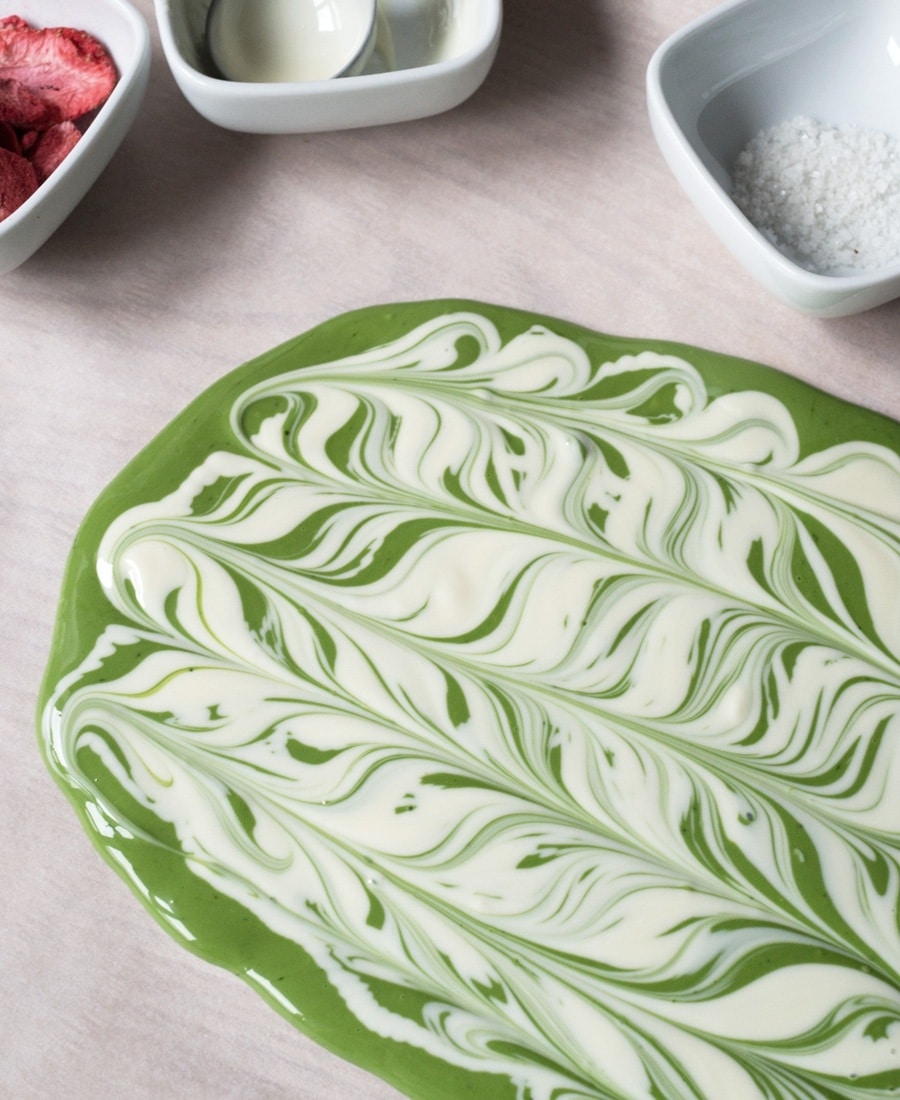
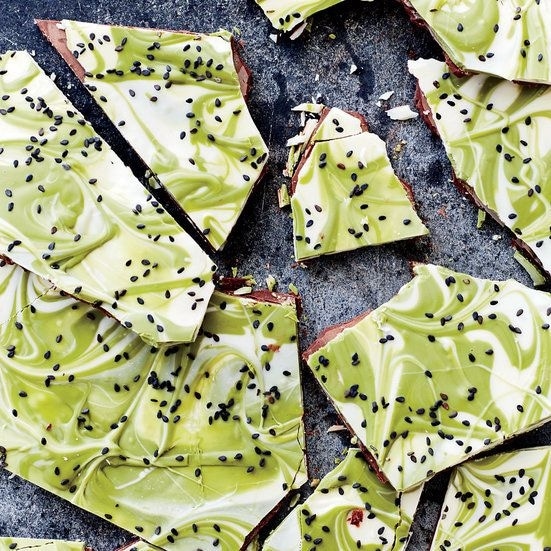
  3. Pour the reserved white chocolate in small amounts onto the green tea chocolate from step 2. Use a toothpick to swirl it around to create a pattern on the chocolate as shown in the picture.
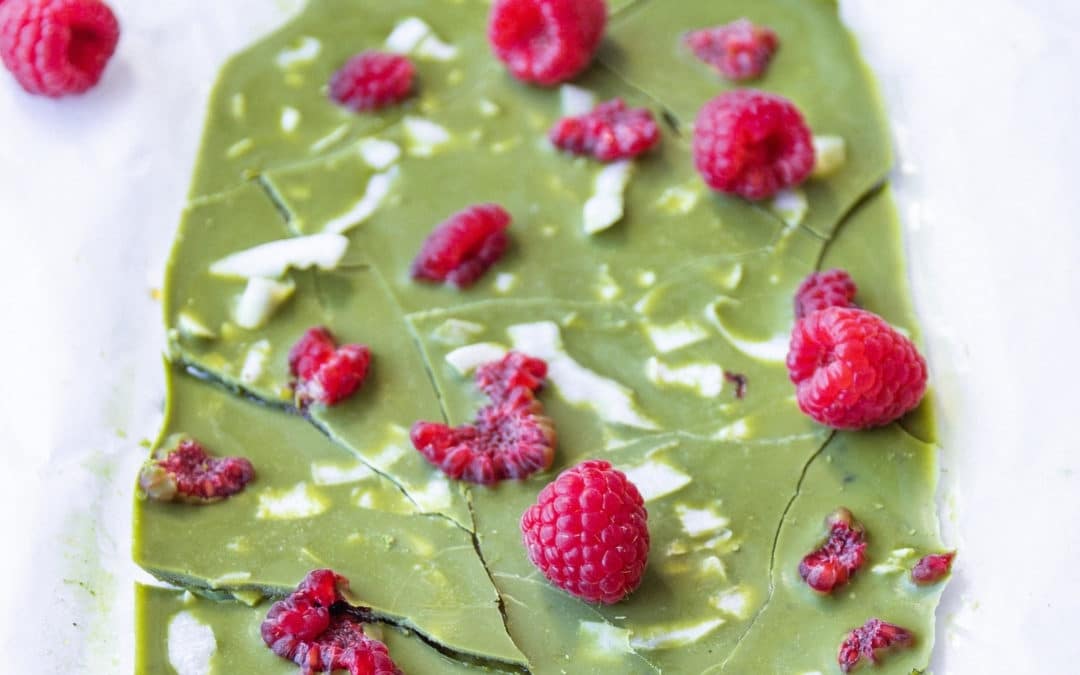
  4. Sprinkle with dried fruits such as strawberries and raspberries. Sprinkle with a little salt to cut the taste. Freeze for 15 minutes.
  5. Once it’s hardened, remove it from the wax paper and cut it into squares or triangles as desired. Pack it in a clear package to show the pattern. You can also sell it as a Grab & Go product at the cashier in front of the store.

Matcha Chocolate Bark Matcha Chocolate Bark  Matcha Chocolate Bark

Matcha Chocolate Bark 3 Matcha Chocolate Bark 2

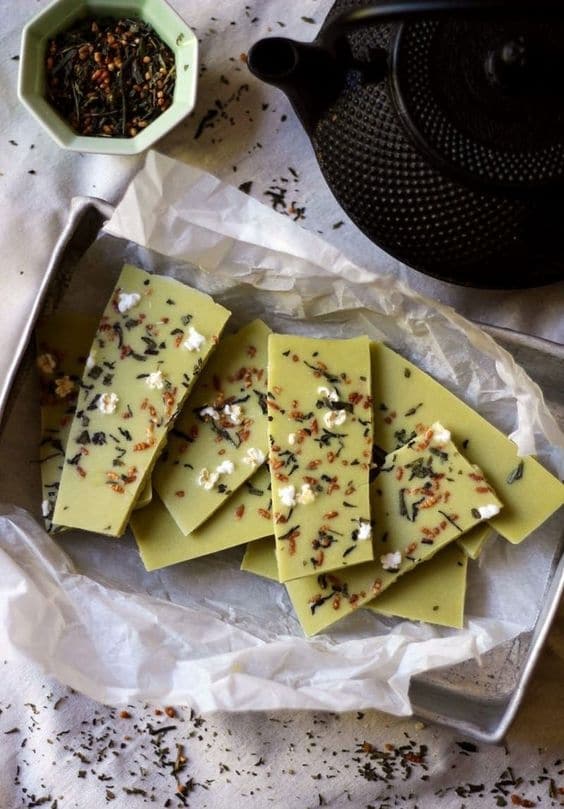
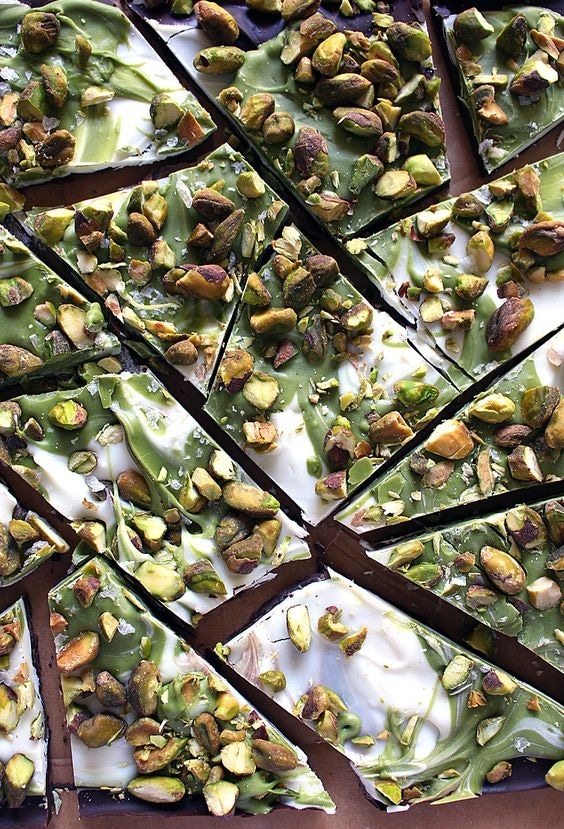
Matcha chocolate bark can also be topped with black sesame seeds, pistachios, genmaicha, or even dark chocolate instead of white chocolate. With matcha powder and chocolate as the main ingredients, it can be transformed into a variety of recipes.

Matcha Chocolate Bark 4 Matcha chocolate Bark 5

Matcha Chocolate Bark 6 Matcha Chocolate Bark 7

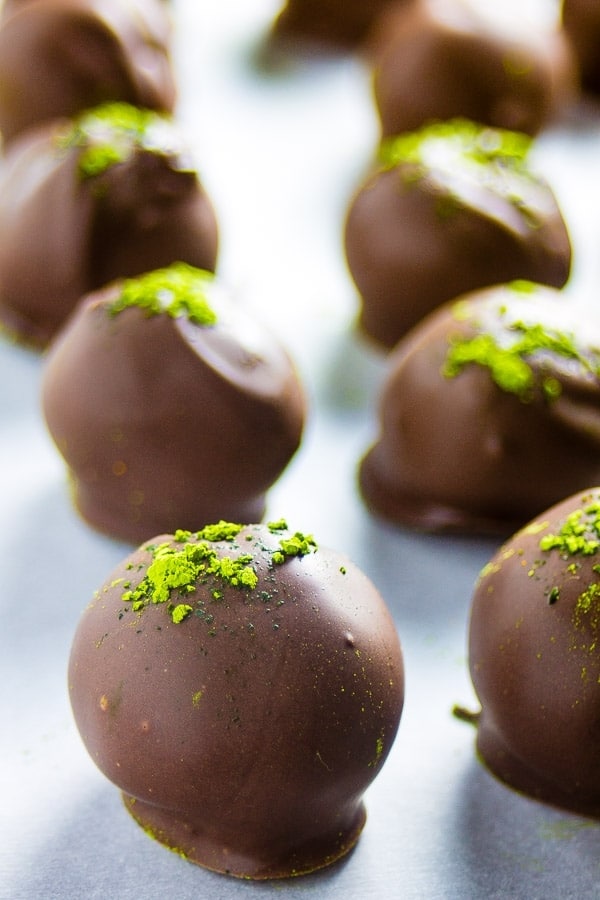
Another recipe that will help you manage leftover ingredients like cakes is to make Matcha Chocolate Balls . Take leftover cake, such as butter cake or chiffon cake, or any excess cake from the edges of the cake when cutting it. Mix them with melted chocolate and blend them into balls. Dip them in chocolate and coat them again. Place on a stick and set aside. Sprinkle with a little matcha powder and decorate. Store in the refrigerator for up to 3 weeks without discarding the excess cake.

If you like something special, you can add chopped cashew nuts and chopped almonds when forming the balls.

Matcha Chocolate Ball

Next, you’ll avoid the problem of having too many ingredients that expire unexpectedly when you know how to extend the shelf life of your ingredients by making chocolate. And if you know how to properly store each ingredient, you’ll be able to extend the shelf life of your food and keep it tasting as good as the day you bought it.

Source

https://themerrymakersisters.com/matcha-chocolate-recipe/

https://www.ohhowcivilized.com

https://www.pinterest.com/pin/843158361476790634/

Article from: Fuwafuwa

Following the trend of cheesecake in the style of matcha lovers

These days, no matter where you look, you will see cheesecake menus in almost every shop, whether it is Baked Cheesecake , a cheesecake that is baked to evaporate some of the water from the cake. The cake has a rich flavor and a burnt brown color. The cake top will collapse quite a bit. Or New York Cheesecake , a cheesecake that is baked with hot water to keep the cake moist, thick, soft, and has a prominent sour taste from sour cream. The cake top is a beautiful light brown color. Or another type of cheesecake that is light and fluffy and has a melting mouthfeel. This style of cheesecake is called Souffle Cheesecake, a cheesecake with a light and fluffy meringue. When baked with a cup of hot water, the cake will be beautifully fluffy and have a light yellow color similar to chicken eggs. It looks delicious. No matter what kind of cheesecake it is.

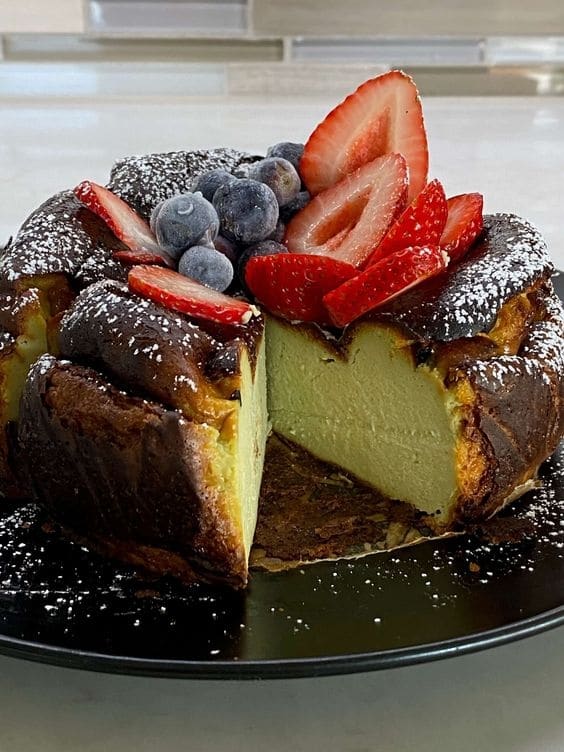
Matcha Basque Cheesecake

Matcha Basque Cheesecake (use a 15 cm mold) is the most popular burnt cheesecake these days. However, very few people make green tea-flavored burnt cheesecake. This time, I have a recipe for green tea burnt cheesecake for dessert lovers to turn on their ovens and try making it.

raw material

  1. Cream cheese 200g
  2. 70 grams of white granulated sugar or cane sugar
  3. 1 egg yolk
  4. 2 whole eggs
  5. Fresh cream 115 ml.
  6. 5 grams cake flour
  7. 4 teaspoons green tea powder

method

1. Mix cream cheese and sugar together and knead until smooth.

2. Add only 1 egg yolk and mix well.

3. Crack 2 more eggs and beat them together. Then slowly pour them into step 2 and continue to mix.

4. Add fresh cream and stir for a while. Add cake flour and green tea powder and stir until well blended.

5. Line the mold with parchment paper. If you have butter, apply butter or vegetable oil between the mold and parchment paper so that it doesn’t stick when you take it out. If you want a smooth texture, strain it through a sieve.

6. Place in a pre-heated oven at 220 degrees for 20-25 minutes, at 220 degrees for 20-25 minutes or almost 1 hour until the surface is burnt.

7. After taking it out, wait until it cools down. Put it in the refrigerator overnight. It will be even more delicious.

8. Can be decorated with icing and topped with colorful fresh fruits.

No Bake Chocolate Matcha Cheesecake  No Bake Chocolate Matcha Cheesecake

No Bake Chocolate Matcha Cheesecake (After making, it is recommended to keep the cake in the refrigerator at all times) This menu can be decorated and served in many ways according to your preferences and the style of the shop. It is a no-bake cheesecake that is easy and allows those who do not have an oven at home to enjoy delicious desserts made by themselves.

1. Cake base ingredients

100 grams of oats

½ cup dates

Cocoa powder 40 grams

½ teaspoon vanilla extract

A pinch of salt

½ cup coconut oil

**Mix everything together and press into the mold.

—————

2. The upper part

1 cup each of cashews and macadamia nuts

⅔ cup agave syrup

1/4 cup milk

1 teaspoon green tea powder

1 tablespoon lemon juice

A pinch of salt

¼ cup coconut oil

**Mix everything together with a food processor and pour over the base of the cake. Refrigerate for 2-3 hours or until set. Decorate the top of the cake with fruits as desired.

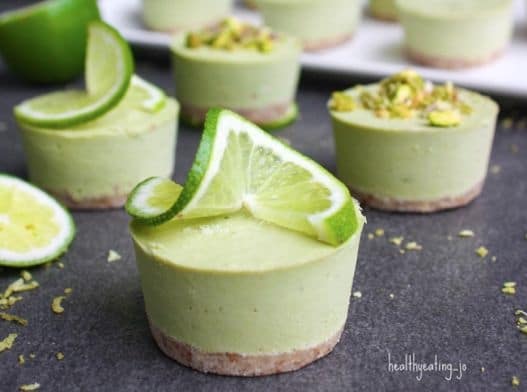
If anyone likes a sour and refreshing style, you can add more lime juice or modify it to be made in a smaller mold so that it is not the same as other shops, which would be another way to look messy.

No Bake Chocolate Matcha Cheesecake

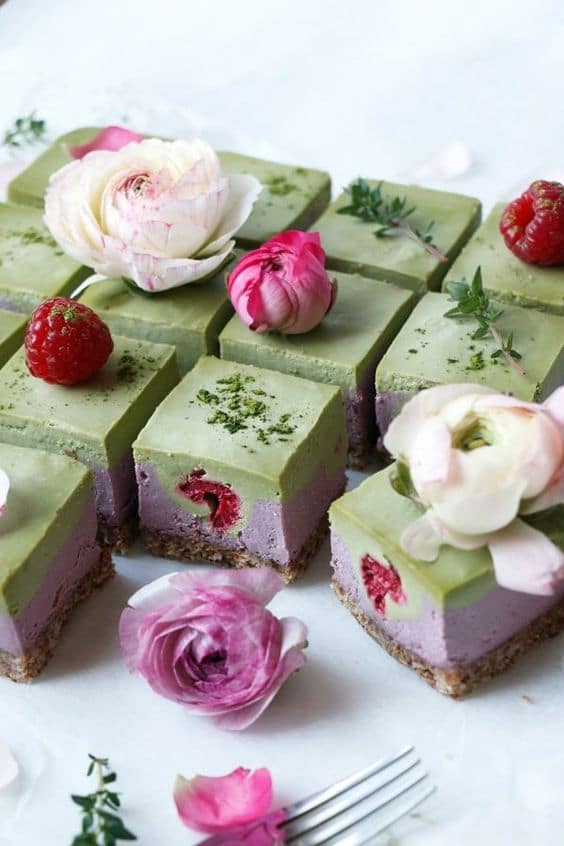
Or if you want to add more creativity to the cheesecake, you can do so by adding a layer of dessert with different colors and flavors, like raspberries. Use 100 grams of frozen raspberries, 120 grams of cashew nuts, 60 ml. of maple syrup, 2 tablespoons of almond milk, 2 teaspoons of lemon juice, 100 grams of coconut butter. Blend together and pour it in as 1 layer first, then add the ingredients.

No Bake Chocolate Matcha Cheesecake

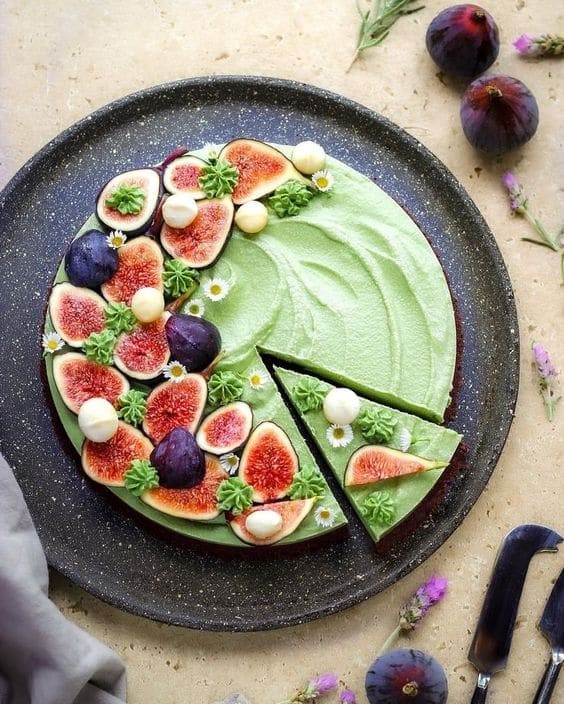
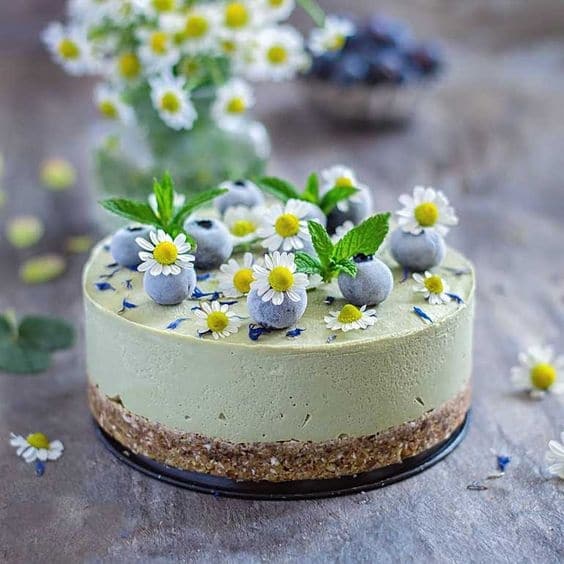
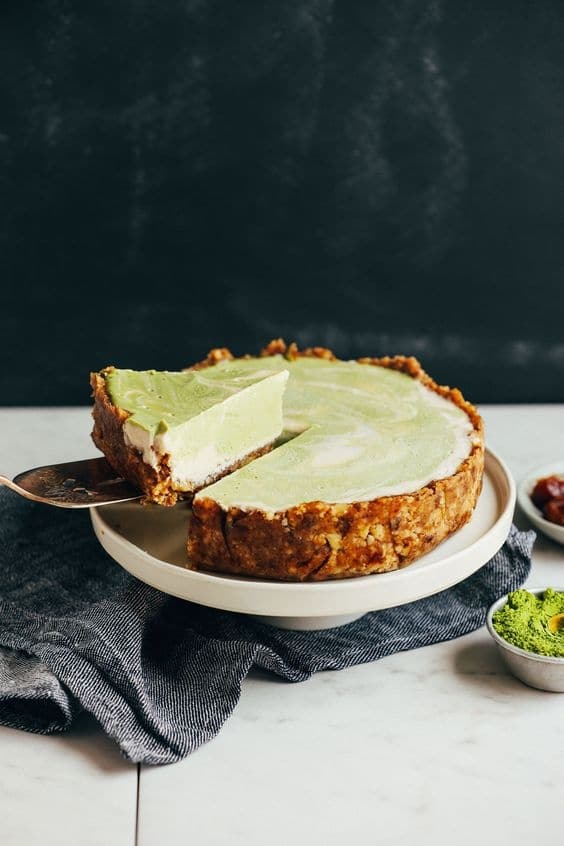
For those who are allergic to milk, eggs, butter, or are vegan or want a snack that is not too fattening, Vegan matcha cheesecake is another option that matcha lovers will love.

Vegan matcha cheesecake Vegan matcha cheesecake

The base ingredient is brown flour.

1 cup oats

¼ cup small pieces of toasted coconut

¾ cup almond flour

½ teaspoon cinnamon powder

¼ teaspoon salt

¼ cup coconut oil

3 tablespoons agave syrup

** Stir-fry all ingredients in a pan over medium heat until combined. Then blend until smooth. Cut out a circle of baking paper and place in a pan. Line a 7-inch diameter pan with a ¼-inch top. Bake at 170 degrees for 10 minutes or until golden brown. Remove and let cool.

Ingredients for filling and topping

1 ½ cups cashew nuts

½ cup coconut milk

⅓ cup agave syrup

¼ cup coconut yogurt

1 teaspoon lemon juice

1 teaspoon vanilla ¼ teaspoon salt

4 teaspoons green tea powder

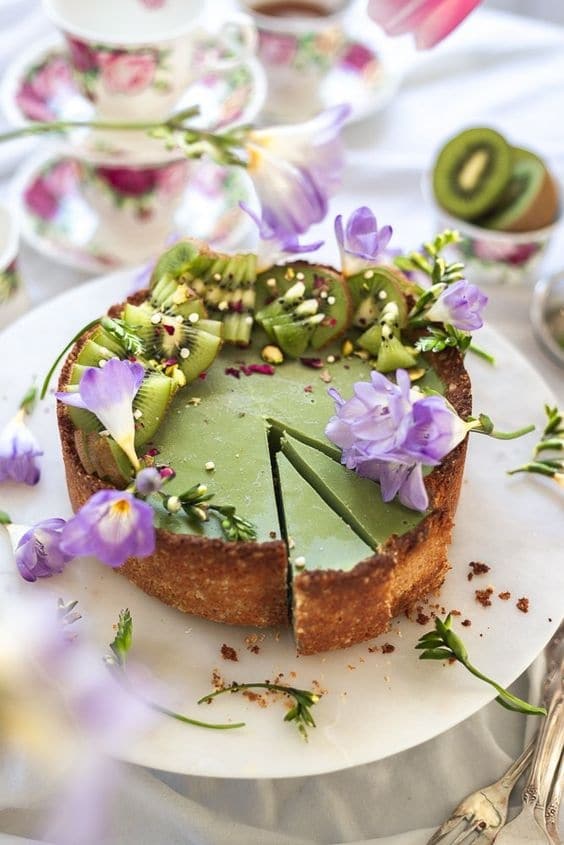
**Blend all ingredients together. If you like strong green tea, you can increase the amount of green tea powder by another 1 teaspoon. Pour the molded part into the prepared cheesecake base and freeze for about 1-2 hours to set the dessert. It is recommended to take it out and let it sit at room temperature for 10-15 minutes before cutting to serve. You can decorate the top with flowers or fruits as you like.

matcha cheesecake matcha cheesecake

Cheesecake can also be modified in many ways, just by changing the mold from the round one that every shop likes to a square one, or using other fruits besides strawberries that many shops like to use to eat together. It can also be modified to be Hojicha cheesecake. Matcha lovers must try to go into the kitchen and adjust the regular cheesecake recipe that you usually make to add matcha powder to follow the current trend!!

Source

https://www.nathaliesader.com/blog/2018/09/07/raw-matcha-chocolate-cheesecake

https://www.marumura.com/green-tea-basque-burnt-cheesecake/

https://www.twospoons.ca/vegan-matcha-cheesecake/

Article from: Fuwafuwa