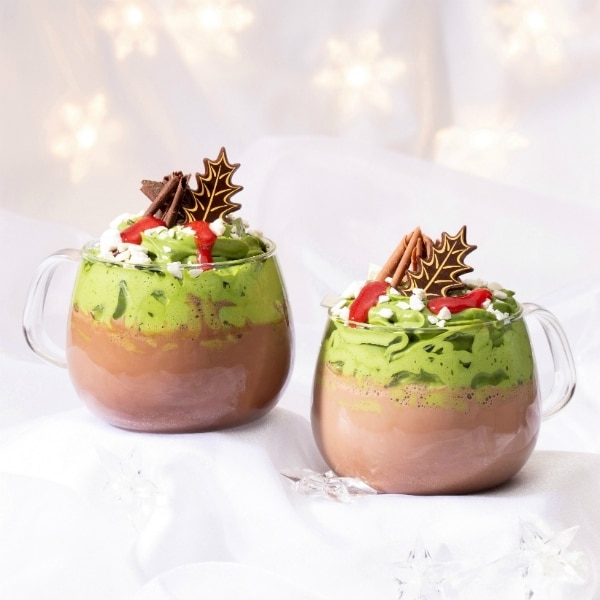
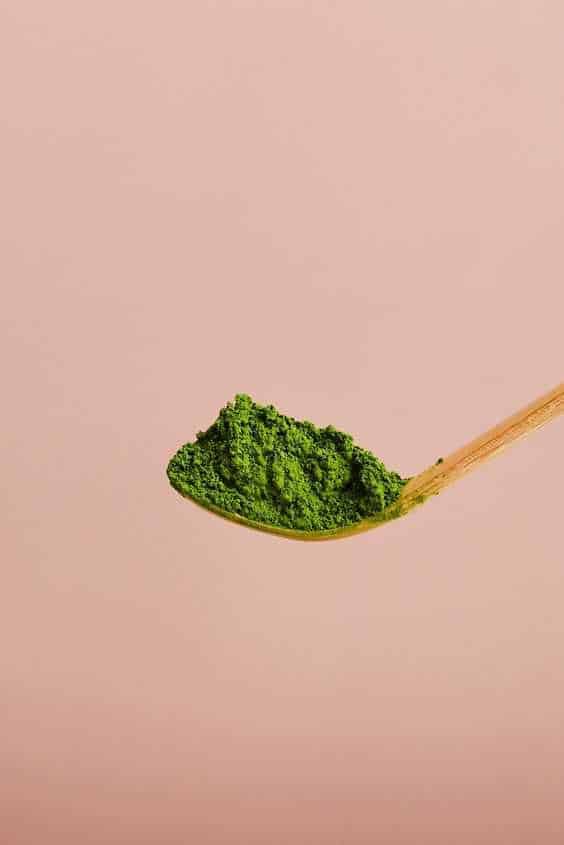
It is well known that green tea is a beverage with high nutritional value. However, there are many types of green tea. I believe that many people think that matcha powder is a type of tea that has very few benefits. If you drink tea, you tend to choose to drink tea leaves rather than tea powder. But in reality, matcha powder is just as beneficial to your health. Matcha powder is made from tea leaves that are steamed as quickly as possible to stop the oxidation process. This preserves the amount of catechins in the tea leaves as much as possible. Then, the dried tea leaves from the steaming process are sieved to remove all branches and stems before being ground with a mill made of special stones that are specifically made for grinding matcha.
Originally, Matcha was a valuable and precious drink. In the past, Matcha was reserved for only the Emperor, the royal family, and high-ranking nobles. Although today, drinking Matcha has spread throughout Japan and around the world, the meticulousness in every step remains unchanged. Matcha can only be harvested once a year, by selecting from the most complete tea plantations. When the tea leaves start to sprout, 1 month before harvesting, the entire plantation must be covered with a black cloth, so that the nutrients from the roots are absorbed and stored in the first 3 young leaves. After that, the tea leaf harvesting process must be done by hand by experienced experts only, and only the first 3 complete young leaves must be selected. They must not be contaminated with other parts. The harvesting must be completed before the first light of dawn arrives.
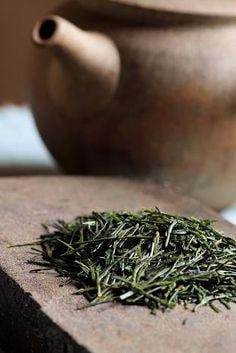
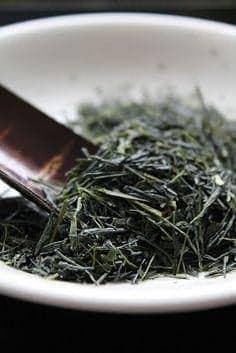
Sencha, although made from the same type of tea tree as matcha, is different in that it is grown outdoors all year round and is not covered with black cloth. Sencha can be harvested four times a year by using scissors to cut the tops of the tea trees, then blown dry, alternating with spinning the tea leaves into spirals until the tea leaves are dry enough to give a strong taste and a good aroma. When drinking sencha, dry tea leaves are put in hot water, wait a while until the tea is the desired dark color, then pour the tea water to drink. The nutritional value of sencha comes from the tea leaves dissolving in water, unlike matcha, which is made from whole ground tea leaves. This type of tea has a special characteristic: it contains a lot of catechins or antioxidants. The catechins in sencha help reduce the absorption of fat and are components that help prevent damage to body cells. For this reason, sencha is one of the most popular teas among health-conscious people.
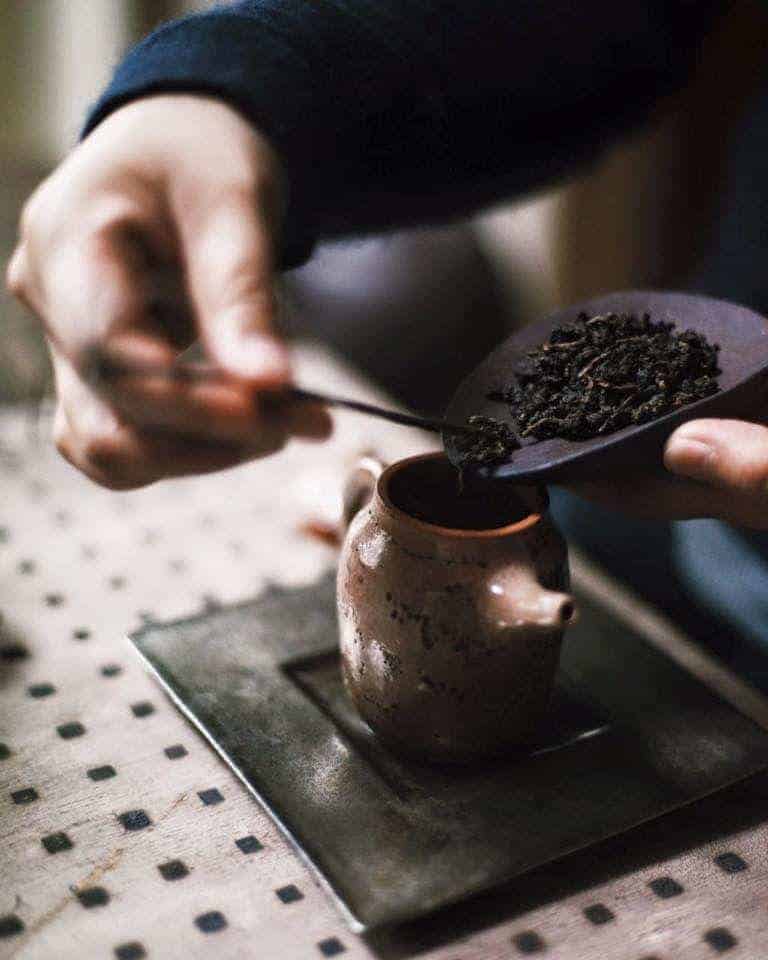
Regarding the caffeine content of matcha and sencha green tea
Because each type of tea is grown differently, it contains different levels of caffeine. Matcha grown in shady conditions will have more caffeine, but a regular cup of matcha contains around 70 mg of caffeine, which is slightly lower than the same size cup of coffee (depending on the beans used). Sencha, on the other hand, contains between 20-30 mg of caffeine per cup, depending on the quality of the leaves and the length of time allowed to steep. For those who are looking to reduce their caffeine intake, sencha is a better choice, as it contains around 40 mg less caffeine than matcha.
Which green tea has higher antioxidants: matcha or sencha?
Green tea is generally considered one of the healthiest beverages to consume, and both are rich in antioxidants, including:
Polyphenols: Micronutrients believed to aid digestion, aid in weight control and improve conditions including diabetes and cardiovascular disease.
Catechins: These are a type of polyphenol and are the most powerful antioxidants found in green tea, which can help prevent cell damage. Some research reports that catechins have anti-cancer properties.
L-theanine : An amino acid that helps with relaxation and reduces anxiety levels.
Although Sencha tea is known to be a tea that is very rich in antioxidants, is useful in reducing high cholesterol and blood triglyceride levels, and improves blood circulation, it is still considered to have a smaller amount than matcha powder. Because drinking matcha tea from powder means consuming the whole leaves, you get the most nutrients. Drinking Sencha in powder form will allow you to get more nutrients from the leaf form as well.
Sencha also helps reduce the risk of cardiovascular disease. Sencha also contains more vitamin C and vitamin E than matcha powder.
But on the other hand, matcha powder has more vitamin B6 and beta-carotene than sencha tea. As you can see, both types have the same nutritional value, the only difference is the amount received. Therefore, drinking any type of tea is considered healthy.
Source
http://inthemakingbybelen.com
http://www.skinnymetea.com.au
https://www.pinterest.com/pin/405605510171042632/
Article from: Fuwafuwa